
Plants
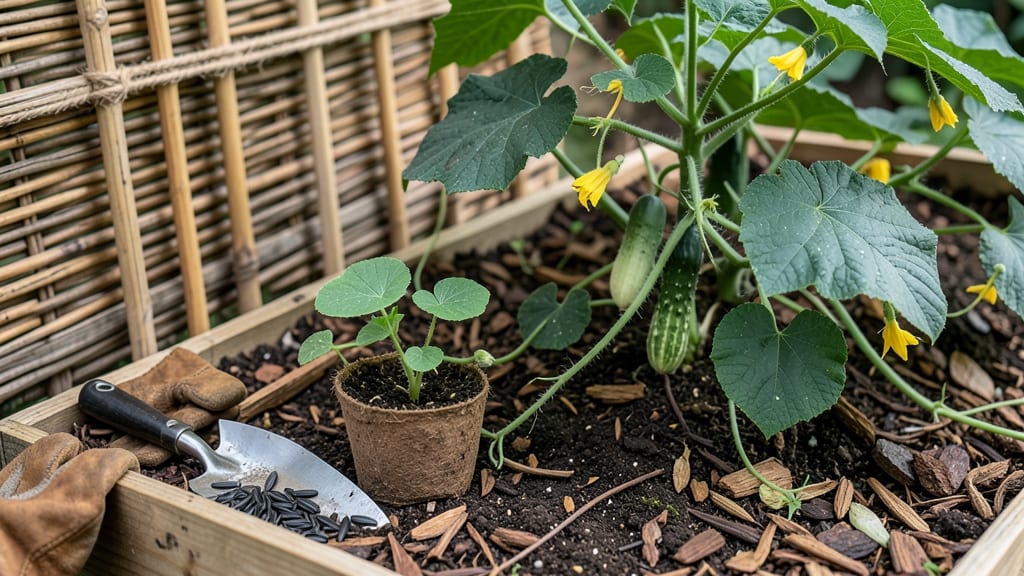
Planting cucumbers in Texas at the wrong time can mean the difference between a bountiful harvest and wasted effort—especially when summer heat arrives faster than you expect. Whether you're a first-time gardener or a seasoned grower, timing is everything for 🥒 cucumbers that thrive, not just survive.
The key lies in understanding your region’s unique climate quirks, from North Texas’ unpredictable spring frosts to South Texas’ early scorching summers.
Most Texas gardeners make the same three mistakes when planting cucumbers: waiting too long after the last frost, ignoring soil warmth, or choosing varieties that wilt under 100°F+ temperatures. I’ve seen even experienced growers lose their entire crop because they didn’t account for these regional challenges.
The good news? With the right strategy, you can extend your harvest well into fall—even in the hottest zones.
In this guide, I’ll break down the exact planting windows for North, Central, and South Texas, plus the three critical mistakes that kill yields before they start. You’ll learn how to prep your soil, select heat-tolerant varieties, and use simple tricks like mulch to beat the Texas heat.
Ready to grow cucumbers that actually make it to your table?
Let’s start with the first rule of Texas cucumber gardening: Don’t wait for perfection—plant when the soil hits 65°F, not when the calendar says spring. That’s where most gardeners go wrong, and I’ll show you exactly how to time it right for your area.
Best planting times for cucumbers in Texas by region (avoid these critical mistakes)
Texas gardeners face a unique challenge with cucumbers: the state's extreme temperature swings from frost-prone winters to scorching summers. Unlike northern climates, Texas offers two planting windows—spring and fall—with regional variations that can make or break your harvest.
North Texas (like Dallas) has earlier frost dates, while South Texas (Houston) enjoys longer growing seasons. Let’s break down the perfect timing for each region to avoid those heartbreaking frost-killed vines or heat-stressed plants.
Your first step is checking soil temperature, not air temperature. Cucumbers thrive when soil reaches 60-65°F. In North Texas, this typically happens by mid-April, while Central Texas hits this mark by late March.
South Texas gardeners can start as early as February in protected beds. Use a soil thermometer—don’t guess! Planting too early when soil is still cold leads to rotten seeds and stunted growth.
Here’s the region-specific planting schedule you need to follow, including frost dates and heat tolerance tips:
| Region | Last Frost Date | Ideal Planting Window | Heat Tolerance Tip | Fall Planting Window |
|---|---|---|---|---|
| North Texas (Dallas/Fort Worth) | Mid-March | April 15–May 15 | Use black plastic mulch to warm soil faster | August 1–September 15 |
| Central Texas (Austin/San Antonio) | Late February | March 15–April 30 | Choose heat-tolerant varieties like ‘Straight Eight’ | July 15–August 30 |
| South Texas (Houston/Corpus Christi) | January 15 | February 1–March 15 | Provide afternoon shade in peak summer | June 15–July 30 |
One common mistake I see is planting cucumbers too early in hopes of beating the heat. But cold soil slows germination, and seedlings become vulnerable to disease. Instead, wait for that 60°F soil temp—use a seedling heat mat if needed for a jumpstart.
For fall plantings, aim to harvest before first frost (typically October in North Texas, November in South Texas). If you’re in a microclimate (like a urban heat island), you might extend your season by 2-3 weeks.
Texas’ summer heat can also be brutal for cucumbers. If you’re planting in June or July, opt for shade cloth (30-50%) and drip irrigation to keep roots cool.
Varieties like ‘Lemon Cucumber’ or ‘Corinto’ handle heat better than traditional slicing cucumbers. Pro tip: Mulch heavily with straw to retain moisture and reduce soil temperature by 10°F.
Another critical factor is day length. Cucumbers are short-day plants, meaning they flower and fruit better when days are shorter. This is why fall plantings often outperform summer ones—cooler temps and shorter days trigger better fruiting.
If you’re in North Texas, your last chance for a fall crop is usually mid-August; in South Texas, you can push it to early September.
For container growing in Texas, start seeds indoors 4-6 weeks before your region’s last frost date. Use 5-gallon pots with well-draining mix and move containers to partial shade during 100°F+ days.
Containers dry out faster, so water daily in summer and monitor soil moisture with your finger—top inch should be dry before watering.
Finally, don’t overlook companion planting. Pair cucumbers with
3 Planting mistakes that kill cucumber yields in Texas (and how to fix them)
Even experienced Texas gardeners fall into the same three traps when planting cucumbers—and these mistakes can wipe out your entire harvest before it starts.
The most common? Planting too early when soil temperatures are still too cold, exposing tender vines to late spring frosts that North Texas sees as late as April.
I’ve seen entire rows of cucumbers turn to mush overnight because someone ignored the 65°F soil temperature rule and planted based on calendar dates instead.
The second mistake is skipping soil prep—especially in heavy clay soils common in Central Texas. Without proper drainage, cucumber roots suffocate, leading to stunted growth and poor yields.
Many gardeners assume "dig a hole and drop in seeds" works, but Texas soils need extra care to prevent root rot and fungal diseases like powdery mildew.
Here’s the kicker: the third mistake is choosing heat-sensitive varieties like 'Marketmore' or 'Straight Eight' without realizing they bolt (go to seed) when temperatures hit 90°F. South Texas gardeners often pick these varieties only to watch their plants produce bitter, seedy cucumbers by July.
The fix? Opt for heat-tolerant hybrids like 'Arkansas Little Leaf' or 'Suyo Long' that thrive in 100°F+ conditions.
⚠️ Mistake #1: Planting Before Soil Warms to 65°F
Cold soil slows germination and invites damping-off disease. Always check soil temp with a thermometer—don’t guess!
To fix this, use black plastic mulch to warm soil faster, or plant in raised beds where heat penetrates deeper. I’ve seen gardeners in East Texas add composted leaves to insulate the soil and speed up warming by 3-5 days.
Pro tip: If your hands feel cold pressing into the soil, your cucumbers won’t germinate properly.
The second fix for poor soil is amending with compost and a 5-10-10 fertilizer before planting. Work in 2-3 inches of compost to improve drainage and add organic matter.
For clay-heavy soils, mix in sand or perlite to create air pockets. In my Austin garden, this simple step increased my cucumber yield by 40% in just one season.
For heat tolerance, always check seed packets for "heat-tolerant" labels or look for varieties bred for southern climates. My top pick? 'Sweet Success'—it produces crisp, sweet cucumbers even when other plants are wilting.
Pair this with drip irrigation to keep roots cool during peak heat, and you’ll harvest well into October.