
Plants
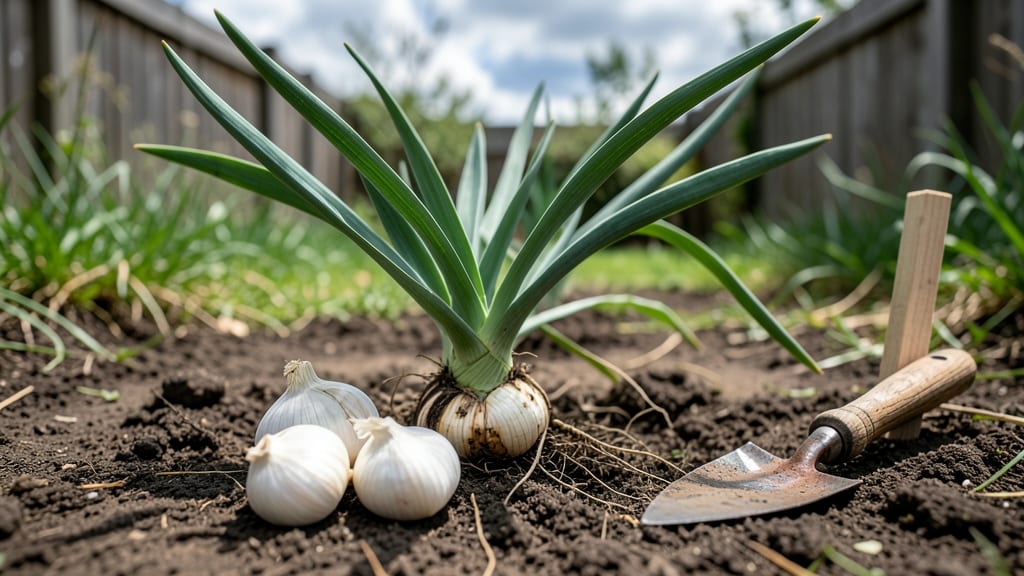
Planting garlic in Colorado at the wrong time could mean the difference between a bumper crop and a frost-killed disappointment. The key to growing plump, flavorful bulbs lies in understanding your hardiness zone and timing those cloves just right before winter sets in.
For Colorado gardeners in zones 5-7, the ideal window is between September and October—but missing that deadline can leave your 🧄 vulnerable to harsh freezes. I’ll break down the exact fall planting deadlines by zone, soil prep secrets, and how to protect your crop through winter’s worst.
Whether you’re growing hardy heirlooms or organic varieties, getting the timing right ensures your garlic survives Colorado’s freeze-thaw cycles and delivers a harvest next summer. Let’s dive into the steps to plant garlic for success.
From spacing cloves correctly to mulching for insulation, I’ll cover everything you need to know to turn your fall planting into a July-August harvest of robust bulbs. Ready to grow garlic like a pro?
Colorado garlic planting deadlines by hardiness zone (fall schedule)
Colorado’s diverse hardiness zones (5-9) create a tricky timing puzzle for garlic growers. Plant too early, and your cloves might sprout before winter sets in. Plant too late, and they won’t establish roots before the ground freezes.
The key is to aim for 4-6 weeks before your first hard frost, when soil temperatures drop below 50°F (10°C). This window ensures roots form but growth halts safely before winter.
Most Colorado gardeners fall into zones 5-7, with high-altitude areas like the mountains pushing into zone 4. For example, Denver (zone 5b) has a last planting deadline of mid-October, while Colorado Springs (zone 6a) can stretch until early November.
Mountain regions like Fort Collins (zone 5a) need garlic in the ground by late September to avoid winter damage.
Here’s the critical rule: Soil temperature should be between 40-50°F (4-10°C) when you plant. Use a soil thermometer to check—this is your green light. If temperatures drop below 40°F, roots struggle to establish, and your garlic may rot over winter.
Pro tip: Plant on a cool, cloudy day to reduce stress on cloves.
Colorado’s high-altitude challenges demand extra attention. Areas above 7,000 feet (like Boulder or Estes Park) experience earlier frosts and colder soils. Adjust your planting date 2-3 weeks earlier than lowland zones. For instance, if Denver’s deadline is mid-October, aim for early October in the mountains.
Don’t panic if you miss the fall window—spring planting (March) is a backup. However, spring-planted garlic often produces smaller bulbs because it has less time to mature. For the best flavor and size, stick to fall planting whenever possible.
🌱
Missed the fall window? Spring planting (March) is your backup, but bulbs will be smaller. Choose hardneck varieties for better cold tolerance if you’re in zones 5-6. Softneck garlic (like Artichoke) struggles in Colorado’s winters, so avoid it unless you’re in zone 7.
After planting, mulch heavily (6+ inches) with straw or leaves to insulate bulbs from freeze-thaw cycles. This protects roots and prevents heaving—when soil expands and contracts, pushing garlic out of the ground. In zones 4-5, add an extra layer of mulch in late fall for added protection.
Garlic planted at the right time in Colorado rewards you with bold, flavorful bulbs ready for harvest the following July-August. The secret? Precision timing tailored to your microclimate. Use the table above as your guide, and adjust based on your local weather patterns.
🌿
Colorado garlic planting deadlines by hardiness zone (fall schedule)
Colorado’s hardiness zones 5-7 create distinct deadlines for planting garlic, with high-altitude areas needing earlier action. The ideal window is 4-6 weeks before the first hard frost, typically between mid-September and mid-October. Missing this window risks cloves sprouting too early or freezing before establishing roots.
For Zone 5 (eastern plains), aim to plant by October 1st—soil temps should be 40-50°F. In Zone 6 (Front Range), extend your deadline to October 15th, while Zone 7 (southern Colorado) can plant until November 1st if frost isn’t imminent.
🌱 High-altitude adjustments are critical: Areas above 6,000 feet (like Boulder or Denver suburbs) should plant 2-3 weeks earlier to account for colder soils. Use a soil thermometer to confirm temps are below 50°F before planting—this signals winter dormancy is safe.
| Zone | Planting Window | Soil Temp (°F) | Last-Chance Date | Notes |
|---|---|---|---|---|
| Zone 5 | Mid-Sept - Oct 1 | 40-50°F | October 15 | Eastern plains; frost risk after Oct 15 |
| Zone 6 | Late Sept - Oct 15 | 45-55°F | October 31 | Front Range; adjust for elevation |
| Zone 7 | Early Sept - Nov 1 | 50-60°F | November 15 | Southern CO; milder winters |
| High Altitude | Late Aug - Sept 30 | 35-45°F | October 1 | Above 6,000 ft; plant earlier |
Pro tip: Use organic matter-rich soil to buffer temperature swings. Amend beds with compost or aged manure before planting—this improves drainage and insulation. For container growing, plant in deep pots (12"+) and move to a sheltered spot if frost threatens.
If you miss the fall window, don’t despair—early spring planting (March) works too, but yields may be smaller. The key is ensuring cloves have 6-8 weeks of growth before summer heat arrives. For Colorado’s climate, fall planting remains the gold standard for maximum bulb size.
🌿 Track your local frost dates using the Old Farmer’s Almanac or Colorado State University Extension tools. Adjust your planting timeline by 1-2 weeks if your area experiences early freezes—this flexibility is your best defense against winter’s unpredictability.