
Plants
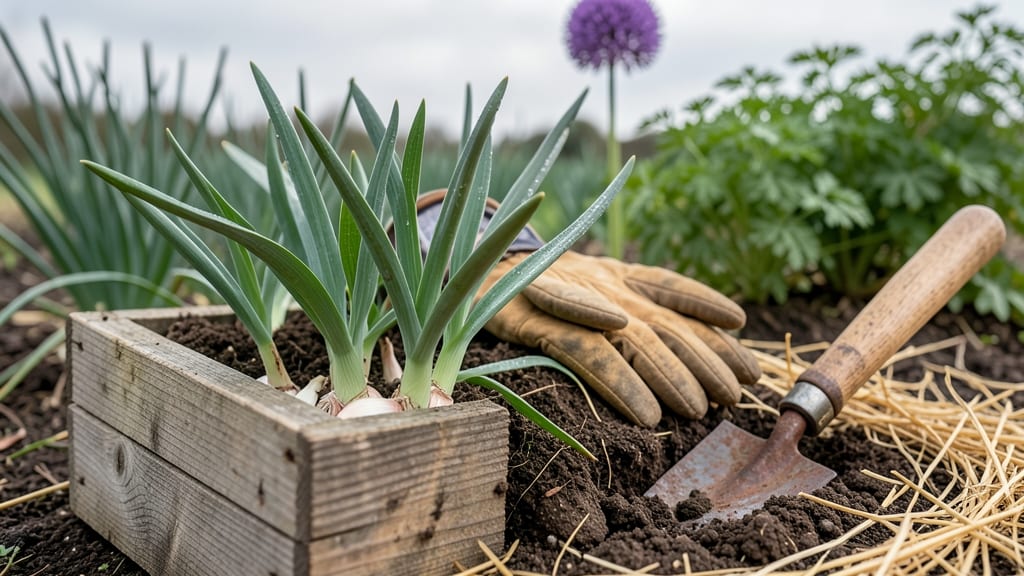
If you’ve ever wondered when do you plant garlic in Missouri, the answer might be as simple as timing. Planting garlic at the wrong time—whether too early or too late—can mean the difference between robust, flavorful bulbs and disappointing results.
Missouri’s 5b-6b climate demands precision, and missing the ideal window could leave you with weak growth or no harvest at all.
Most gardeners in Missouri know fall planting is key, but the exact timing can be confusing. Should you plant in October or push it to November? The answer depends on your zone, soil conditions, and even the type of garlic you’re growing.
Hardneck varieties, which thrive in Missouri’s winters, need to be in the ground 4-6 weeks before the first frost—typically by late October—to establish strong roots before dormancy.
What happens if you plant too late? You risk shallow root systems that struggle to survive winter, leading to smaller bulbs or no harvest at all. But get it right, and you’ll enjoy garlic that’s bigger, stronger, and far more flavorful than anything you’d buy in a store.
The secret lies in understanding Missouri’s unique frost patterns and soil prep—both of which I’ll break down so you can plant with confidence.
Ready to grow garlic that outperforms the grocery store? Let’s dive into the exact planting schedule, soil tips, and Missouri-specific tricks to ensure your 🧄 garlic thrives from fall to harvest. Your future meals—and your taste buds—will thank you.
Missouri’s ideal garlic planting window: fall deadlines by zone
Missouri’s hardneck garlic thrives when planted in fall, but timing depends on your USDA zone and soil temperature. Most gardeners in zones 5b-6b (covering most of Missouri) should plant between mid-October and mid-November.
This window ensures cloves establish roots before winter dormancy, setting the stage for robust bulbs next summer.
For northern Missouri (zone 5b), aim to plant by October 15—any later risks frost before roots take hold. In central/southern Missouri (zones 6a-6b), you can extend planting until November 1, but avoid planting after the first frost, which weakens cloves and reduces bulb size.
Missouri’s unpredictable winters make fall planting critical. Cloves need 4-6 weeks to root before freezing. If you miss the fall window, spring planting (March) is possible, but bulbs won’t mature fully before Missouri’s hot summers, resulting in smaller yields.
Choose hardneck varieties like ‘Music’ or ‘German White’ for Missouri—they handle cold better than softneck types and produce scapes (a bonus harvest!). Softneck garlic, like ‘Silverskin’, is better suited for milder climates and stores longer but struggles with Missouri’s winters.
Soil temperature is your best guide: plant when soil cools to 50-55°F (about 2 weeks before first frost). Use a soil thermometer to avoid guessing. In Missouri, this typically aligns with late October in northern areas and early November in the south.
| Zone | Ideal Planting Window | Soil Temp Threshold | Key Notes |
|---|---|---|---|
| 5b (North MO) | Mid-October - October 15 | 50-55°F | Plant by October 15; first frost risk after. |
| 6a (Central MO) | Late October - October 31 | 50-55°F | Flexible window; avoid planting post-first frost. |
| 6b (South MO) | Early November - November 15 | 50-55°F | Warmer soils allow later planting; monitor frost dates. |
Missouri’s variable frost dates can throw off timing. Check your local first frost average (typically October 31 in most areas) and plant 4-6 weeks before. For example, if frost hits November 1, plant by September 15—but this is too early, risking premature sprouting and weak cloves.
If you’re new to garlic, hardneck varieties are your best bet for Missouri. They’re cold-hardy, produce scapes (edible stems), and store well. Popular choices include ‘Chesnok Red’ (purple-stripe) and ‘Music’ (white). Softneck garlic, like ‘California Early’, is better for warmer climates and won’t perform as well in Missouri’s winters.
Pro tip: Break bulbs into individual cloves just before planting. Larger cloves yield bigger bulbs, but don’t worry about separating them perfectly—just ensure the root end is down. Plant 2 inches deep and 4-6 inches apart in rows 12 inches apart for easy harvests.
Missouri’s clay-heavy soils in many areas can suffocate garlic roots. Amend your soil with compost or aged manure before planting to improve drainage. If your soil is sandy, mix in peat moss to retain moisture. Well-draining soil is non-negotiable for garlic—waterlogged roots lead to rot.
After planting, mulch heavily with straw or leaves (4-6 inches) to insulate cloves through winter. This prevents heaving (when soil freezes and pushes cloves out) and keeps roots warm. In Missouri’s freeze-thaw cycles, mulch is your secret weapon for consistent harvests.
Missouri’s ideal garlic planting window: fall deadlines by zone
Missouri’s 5b-7a climate creates a perfect window for planting garlic, but timing is everything. The goal is to get cloves in the ground 4-6 weeks before the first frost, which typically lands between mid-October and early November across most of the state.
This window allows roots to establish before winter dormancy, ensuring strong bulb development come harvest time.
For northern Missouri (Zone 5b-6a), aim to plant by October 15—any later, and you risk shallow roots that freeze. In central and southern Missouri (Zone 6b-7a), you’ve got a little more flexibility, with a deadline around November 1.
The key is soil temperature: roots need to grow when temps are above 40°F.
| Zone | Ideal Planting Window | Soil Temp Threshold | Key Consideration |
|---|---|---|---|
| 5b (North) | October 1-15 | 40-50°F | Shorter growing season; plant early |
| 6a (Central) | October 15-30 | 45-55°F | Balanced window; avoid late November |
| 6b-7a (South) | October 20-November 1 | 50-60°F | Longer season; can push later |
Missouri gardeners often ask whether hardneck or softneck varieties perform better. For our climate, hardneck varieties (like Music or German Red) are ideal—they thrive in cold winters and produce larger cloves.
Softnecks, while storable longer, struggle with Missouri’s freeze-thaw cycles. If you’re in Zone 7a, you can even experiment with a spring planting in March, but fall remains the gold standard.
One common mistake? Waiting until after the first frost. By then, roots are stunted, and bulbs won’t develop properly. Use a soil thermometer to confirm temps are above 40°F before planting. Pro tip: If frost hits early, cover beds with straw to insulate cloves until roots establish.
Missouri’s unpredictable winters mean mulching is non-negotiable. Apply 4-6 inches of straw or leaves after planting to protect cloves from freezing. This simple step can mean the difference between a bountiful harvest and a failed crop. Don’t skip it!
Ready to plant? Mark your calendar for mid-October, prep your soil, and watch your garlic thrive. With the right timing, you’ll harvest plump, flavorful bulbs by next summer—far superior to store-bought. Happy planting! 🧄