
Plants
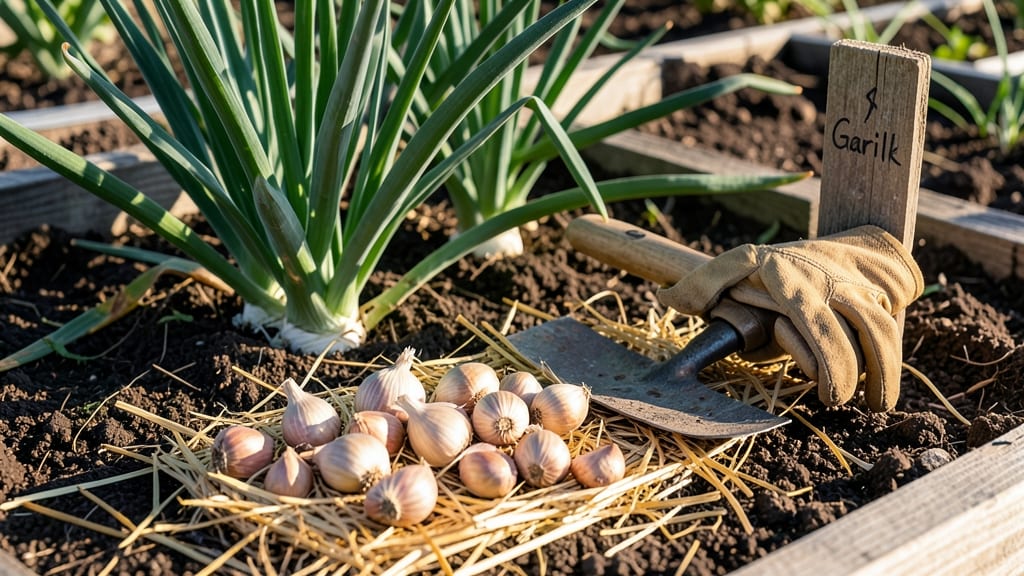
Planting garlic in Zone 7 at the wrong time can mean the difference between bold, flavorful bulbs and disappointing harvests. If you've ever wondered why some gardeners swear by fall planting while others skip it, timing is everything—especially for 🧄 garlic that thrives in cooler months.
The key to success lies in getting those cloves in the ground 6-8 weeks before your first hard frost, typically between late October and early November. This window ensures garlic establishes roots before winter dormancy, setting the stage for next summer's harvest.
But here's the catch: hardneck and softneck varieties have slightly different needs, and your local microclimate matters just as much.
Why does timing matter so much? Garlic needs cold exposure to develop properly, but too early or too late can stunt growth or attract pests.
I'll walk you through the exact planting schedule for Zone 7's 7a-7b climate, plus how to adjust for early frosts or mild winters that might throw off your plans.
Whether you're a first-time grower or a seasoned gardener looking to refine your method, these insights will help you plant with confidence and avoid common mistakes. Let's get those cloves in the soil at the perfect moment for maximum yield.
Best fall planting window for garlic in Zone 7
Garlic thrives in Zone 7 when planted in fall, specifically 6-8 weeks before the first hard frost. This timing allows roots to establish before winter dormancy, while shoots develop in spring for a strong harvest.
For most of Zone 7 (7a-7b), this translates to mid-October to early November, but exact dates vary slightly by location.
Fall-planted garlic needs cold exposure (40-50°F soil temps) to form bulbs, but it must avoid freezing before roots set. In Zone 7, where first frosts hit mid-November, planting too late risks weak growth, while planting too early may cause premature sprouting. The sweet spot balances these factors perfectly.
Hardneck vs. softneck varieties don’t change the timing, but they do affect harvest size. Both need the same fall planting window, though hardnecks (like Rocky Mountain) often produce larger bulbs when given ideal cold exposure. Choose your variety first, then lock in your planting date.
To calculate your exact window, check your local frost dates (USDA Plant Hardiness Zone Map or Almanac’s Frost Calculator). Subtract 6-8 weeks from your first hard frost date—this gives your planting deadline. For example, if frost hits November 15, aim for September 25-October 10.
Soil preparation is just as critical as timing. Work in 2–3 inches of compost or well-rotted manure before planting to improve drainage and fertility. Garlic hates soggy soil, so amend heavy clay with sand or perlite if needed.
A pH of 6.0–7.0 is ideal—test your soil and adjust with lime or sulfur if necessary.
When planting, place cloves pointed end up, 2 inches deep, and 4–6 inches apart in rows spaced 12 inches apart. This spacing prevents disease and makes harvesting easier. Mulch with straw or leaves (3–4 inches) after planting to insulate roots through winter and suppress weeds.
Spring brings the real magic: garlic needs full sun (6+ hours daily) and consistent moisture to bulk up. Water deeply once a week (1 inch total) unless it rains, and avoid wetting foliage to prevent fungal diseases like rust.
By late June, you’ll see the papery skins forming—this is your cue to harvest before bulbs split.
If you miss the fall window, you can plant garlic in early spring (February–March), but bulbs will be smaller and less flavorful. Fall planting ensures the best results because garlic relies on cold vernalization to trigger bulb formation.
Don’t gamble with spring planting unless you’re growing garlic for green shoots (scape removal) rather than bulbs.
Pro tip: Mark your planting date on a calendar or use a planting reminder app like Gardenate. Set alerts for soil prep, planting, and harvest to stay on track. With the right timing, your Zone 7 garlic will reward you with bold, flavorful bulbs that store well all winter.
Best fall planting window for garlic in Zone 7
In Zone 7, the ideal planting window for garlic is between mid-October and early November, giving plants enough time to root before winter. This timing aligns with the 6-8 weeks before first hard frost rule, which is critical for bulb development.
For Zone 7a (colder subzone), aim for late October to ensure roots establish before ground freezes. In Zone 7b (warmer), you can extend planting until early November—just check your local frost dates to confirm.
| Zone Type | Best Planting Window | Soil Temp Requirement | Key Tip |
|---|---|---|---|
| Zone 7a (colder) | Late October | Below 40°F (4°C) | Plant before first frost |
| Zone 7b (warmer) | Early November | Below 50°F (10°C) | Adjust for late frosts |
| Both Zones | Avoid planting after November 15 | Soil should be workable | Use mulch for insulation |
If you miss the fall window, spring planting is possible but yields are smaller. For spring, plant in early March—just be prepared for bulbs that won’t store as long. The trade-off? Spring-planted garlic matures faster but lacks the robust flavor of fall-planted varieties.
For hardneck varieties (like Rocambole or Silverskin), fall planting is non-negotiable—they need cold vernalization to form bulbs. Softneck varieties (like Artichoke) are more flexible but still benefit from fall planting for larger bulbs.
Pro tip: Use a moon planting calendar to align with the rooting phase (waning moon) for stronger starts. Pair this with well-draining soil and mulch to protect cloves through winter’s chill.
Remember, garlic thrives on consistency. Planting too early risks rot, while planting too late stunts growth. Aim for that sweet spot where roots establish before dormancy sets in—your future harvest will thank you.