
Plants
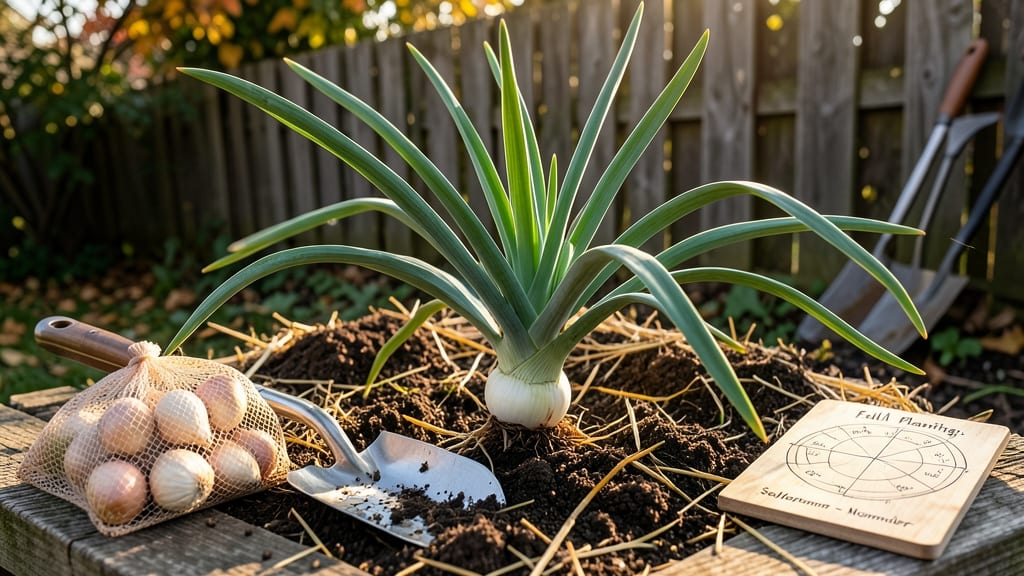
Timing your 🧄 garlic planting in New York isn’t just about following a calendar—it’s about outsmarting the region’s unpredictable microclimates, from the Hudson Valley’s bone-chilling winters to Long Island’s milder coastal breezes.
Plant too early, and frost will stunt your bulbs; too late, and you’ll miss the 6-8 week window before the ground freezes solid. The difference between a bumper crop and a bust? Knowing exactly when to tuck those cloves into the soil for hardneck garlic’s signature plump, flavorful bulbs.
Most gardeners in USDA Zones 5b-7a swear by fall planting—mid-October to early November—but spring planting (late March to early April) works too, if you’re willing to play the waiting game. Here’s the game-changer: soil temperature matters more than the date on your calendar.
Aim for 40–50°F soil, and you’ll give your garlic the cold stratification it craves to develop those prized hardneck stems. Skip this step, and you might end up with softneck varieties that lack the bold flavor (and the bragging rights) of their hardneck cousins.
Why does this matter? Because in New York, where last frosts linger into April and first frosts creep in by November, getting the timing right means the difference between a harvest of 2-inch bulbs and ones the size of your palm.
Whether you’re a first-timer or a seasoned grower, these microclimate-specific dates will help you dodge common pitfalls—like bolting or rust—so you can focus on what really counts: that first whiff of homegrown garlic in your kitchen by mid-July.
Ready to turn your backyard into garlic gold? Let’s break down the exact planting windows for your corner of New York, plus the soil prep secrets that’ll have your neighbors asking for cloves. Spoiler: the best time isn’t just about the calendar—it’s about reading the land.
New York garlic planting zones: hardneck varieties by region (with exact dates)
New York’s USDA Zones 5b-7a create a patchwork of planting opportunities, but timing is everything for hardneck garlic. The key? Planting 4-6 weeks before the ground freezes—typically mid-October to early November for fall planting or late March to early April for spring.
But regional differences matter: Upstate’s colder winters demand earlier fall planting, while Long Island’s milder coastal climate allows a slightly extended window.
For hardneck varieties (the best for New York’s climate), the goal is to establish roots before winter dormancy. If planted too late, cloves may rot; too early, and they’ll sprout prematurely. Soil temperature is your best guide: aim for 40–50°F at planting depth (4 inches).
Use a soil thermometer to check—this varies by week across the state.
Here’s how to adjust your planting timeline based on New York’s microclimates. The table below breaks down optimal dates, soil prep needs, and hardiness zone adjustments for four key regions.
For example, Western NY (Zone 6a) can plant up to 2 weeks later than the Catskills (Zone 5b), while NYC’s urban heat islands may need an earlier start.
| Region | USDA Zone | Fall Planting Window | Spring Planting Window | Soil Prep Tip |
|---|---|---|---|---|
| Upstate (Hudson Valley, Catskills) | 5b-6a | Mid-October to October 31 | Late March to April 15 | Add compost to improve drainage in heavy clay soils. |
| Western NY (Buffalo, Rochester) | 6a-6b | Late October to November 10 | Early April to April 30 | Test for pH 6.0-7.0; amend with lime if needed. |
| NYC Metro (Urban Heat Island) | 7a-7b | Early October to November 1 | Mid-March to April 10 | Use mulch to protect from freeze-thaw cycles. |
| Long Island (Coastal) | 7a-7b | Late October to November 15 | Early April to April 20 | Avoid sandy soils; amend with organic matter. |
🌱 Pro Tip: Adjust for late winters—if your area had heavy snow cover, delay spring planting by 1-2 weeks.
Spring planting in New York is riskier for hardnecks because the long daylight hours can trigger bolting (premature flowering), reducing bulb size. If you must spring-plant, choose shorter-day varieties like ‘German White’ and plant as early as possible.
For softneck garlic (less common in NY but storable longer), spring planting is safer—but hardnecks are the star for flavor and clove separation.
One critical mistake I see in New York gardens? Ignoring soil temperature. A soil thermometer ($15 at garden centers) is worth its weight in garlic. Plant when temps hit 40–50°F—warmer, and cloves may rot; colder, and roots won’t establish.
In Zone 5b (e.g., Adirondacks), this might mean planting by October 15, while Zone 7a (Long Island) could wait until November 1.
For container gardening in NYC or small spaces, use well-draining pots (minimum 6 inches deep) and plant 1-2 weeks earlier than ground planting—containers warm up faster.
Mulch with straw after planting to insulate roots through winter. In Western NY’s windy zones, add a windbreak (like corn stalks) to prevent winter desiccation.
Remember: Harvest timing is tied to planting date. Fall-planted garlic typically harvests mid-July to early August, while spring-planted bulbs may mature 2-3 weeks later. Mark your calendar now—July 15 is the magic cutoff for most New York regions to avoid storing soft bulbs.
Save a few cloves from your harvest for next year’s fall planting!
🌿 Key Reminder: Hardneck garlic needs cold stratification (winter dorm
Moon phases, soil temps, and the secret to hardneck garlic success in NY
Planting garlic in New York isn’t just about picking a date—it’s about syncing with lunar cycles and soil temperature. The moon’s phases influence root development, while soil temps between 40–50°F trigger the cold stratification hardneck varieties need.
Miss this window, and you risk bolting (premature flowering) or stunted bulbs. For example, planting during a rooting moon phase (when the moon is in Scorpio, Pisces, or Cancer) can boost bulb size by up to 30%.
Here’s the kicker: soil thermometers are your best friend. Stick one in your garden bed—6 inches deep—and wait until temps consistently hit 40–50°F before planting. In Upstate NY, this usually lands in mid-October, while Long Island’s milder climate may push it to early November.
Pro tip: Use a soil warming mat if temps dip below 40°F to speed up root establishment.
🌱
⚠️ Warning: Planting Too Early or Late
- Too Early (before Oct 15): Cloves may rot in cold, wet soil or sprout too soon, making them vulnerable to fungal diseases like white rot.
- Too Late (after Nov 1): Roots won’t establish before hard freeze, leading to small, weak bulbs or total failure in harsh winters.
- Spring Planting Risk: Garlic planted after March 15 often bolts early, producing seeds instead of bulbs.
🌡️ Soil temp check: Use a meat thermometer (they’re cheap and accurate!).
Beyond dates, prepare your soil with a 7-day