
Plants
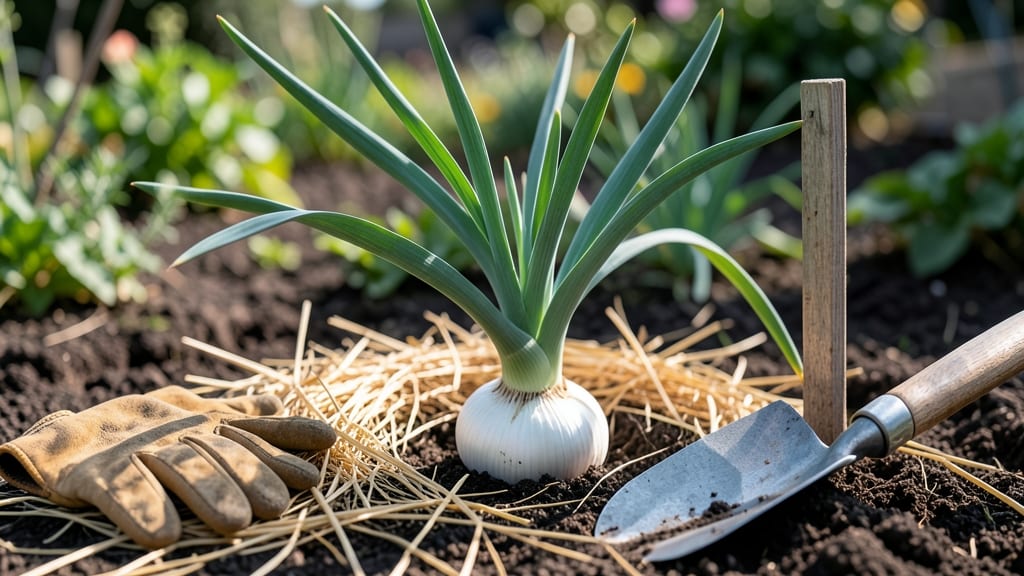
Timing your garlic 🧄 planting in Zone 5 could make or break your harvest—plant too early or late, and you might end up with puny bulbs instead of the flavorful harvest you’re dreaming of.
Most gardeners know fall is the ideal season for planting garlic, but Zone 5’s unpredictable climate means getting the exact window right is everything. Too soon, and your cloves might sprout prematurely; too late, and frost could ruin your chances before spring.
The key is planting 4-6 weeks before the ground freezes, typically between October and November, but with a few extra tricks up your sleeve.
In this guide, I’ll walk you through the perfect planting window for your region, how to adjust for early or late frosts, and why mulching makes all the difference. Whether you’re growing hardneck or softneck varieties, these insights will help you avoid common mistakes and maximize your yield.
Ready to grow the biggest, most flavorful garlic bulbs? Let’s dive into the secrets of Zone 5’s fall planting calendar and set you up for a harvest that’ll impress even the most seasoned gardeners.
Optimal fall planting window for garlic in Zone 5
In Zone 5, garlic thrives when planted in fall—specifically 4-6 weeks before the ground freezes. This timing ensures bulbs have time to establish roots before winter dormancy.
For most of Zone 5, that window falls between mid-October and early November, but exact dates depend on your last frost date and local microclimates.
Garlic needs cold stratification (40-50°F soil temps) to form bulbs, so planting too early or late disrupts this process. Early plantings may produce scapes (flower stalks) but weaker bulbs, while late plantings risk poor root establishment. Let’s break down the ideal timing and adjustments for your specific Zone 5 location.
🌱 Key Insight: The soil temperature, not air temperature, determines the perfect planting window. Aim for 40-50°F soil temps at planting time.
| Zone 5 Location | Ideal Planting Window | Soil Temp at Planting | Notes |
|---|---|---|---|
| Northern Zone 5 (e.g., Minneapolis, Detroit) | Late September - Mid-October | 40-50°F | Plant by October 15 to avoid winter kill. |
| Central Zone 5 (e.g., Chicago, Cleveland) | Mid-October - Early November | 40-50°F | Avoid planting after November 1 for best results. |
| Southern Zone 5 (e.g., Washington D.C., Richmond) | Late October - Mid-November | 45-50°F | Can plant slightly later due to milder winters. |
If your last frost date is earlier than average (e.g., October 15), plant by mid-September to give roots time to establish. Conversely, if your winters are harsh with early freezes, aim for early October at the latest.
Use a soil thermometer to confirm temps—this tool is your best friend for precision planting.
For hardneck garlic (the most popular variety in Zone 5), plant cloves with the pointy end up, spaced 4-6 inches apart in rows 12 inches apart.
This spacing allows bulbs to develop fully without competing for nutrients. Softneck garlic, while less common in colder climates, can also be planted in fall but may need extra winter protection.
Mulching is critical in Zone 5. After planting, apply 4-6 inches of straw or leaves to insulate the soil and protect cloves from freeze-thaw cycles. This mulch layer also suppresses weeds and retains moisture. Remove it in early spring once shoots emerge to prevent rot.
One common mistake is planting garlic too early, which can lead to premature scape production (flower stalks) at the expense of bulb size. If you’re eager to start, hold off until soil temps drop below 60°F.
Conversely, planting too late risks poor root growth, resulting in small, weak bulbs. Balance is key!
Pro tip: If you miss the fall window, you can plant garlic in early spring (March-April), but bulbs will be smaller and less flavorful. Fall planting is always preferred for Zone 5’s climate.
Finally, consider your garlic variety. Hardneck varieties (like Music or German White) are best suited for Zone 5’s winters, while softneck varieties (like Silverskin) may struggle unless given extra protection. Choose varieties bred for your specific region for the best results.
With the right timing and care, your Zone 5 garlic will reward you with bold, flavorful bulbs ready for harvest next summer. Happy planting! 🌱
Optimal fall planting window for garlic in Zone 5
In Zone 5, the ideal planting window for garlic falls between mid-October and early November, giving your cloves enough time to establish roots before winter dormancy.
This 4-6 week window before the ground freezes (typically mid-November) is critical—plant too early, and your garlic may sprout prematurely; too late, and frost will halt root development.
For hardneck garlic (the most popular type for Zone 5), aim to plant when soil temperatures drop below 60°F but haven’t yet frozen. Softneck garlic, which is less cold-hardy, should be planted slightly later, closer to late October or early November.
Check your last frost date (usually mid-November in Zone 5) and count backward to pinpoint your perfect window.
| Month | Optimal Planting Time | Soil Temp | Notes |
|---|---|---|---|
| Late September | Early planting (risk of sprouting) | 60-70°F | Only for early varieties |
| Mid-October | Ideal for hardneck garlic | 50-60°F | Best balance of root growth |
| Early November | Last chance for softneck garlic | 40-50°F | Mulch heavily after planting |
If you’re in a warmer microclimate within Zone 5 (like near a lake or urban area), you might need to plant 1-2 weeks earlier to avoid early frosts. Conversely, higher elevations or rural areas may require planting closer to November to prevent premature sprouting.
Always test your soil temperature with a soil thermometer—it should read 40-50°F at planting time.
Once planted, mulching is non-negotiable in Zone 5. Use 4-6 inches of straw or leaves to insulate the soil and protect cloves from freeze-thaw cycles. This layer also suppresses weeds and retains moisture, giving your garlic a head start in spring.
Remove the mulch in early spring (around March) to allow shoots to emerge.
Pro tip: If you’re unsure about your local frost dates, consult your USDA Plant Hardiness Zone Map or check with your local cooperative extension office. They’ll provide hyper-local advice tailored to your specific Zone 5 subregion.
For example, Chicago’s last frost is often a week earlier than Pittsburgh’s, so adjust accordingly.
By nailing this 4-6 week window and preparing your soil properly, you’ll set your garlic up for robust bulb formation and a bountiful summer harvest. Next, we’ll cover how to tell if your timing is perfect—or if you’ve missed the mark. 🌱