
Plants
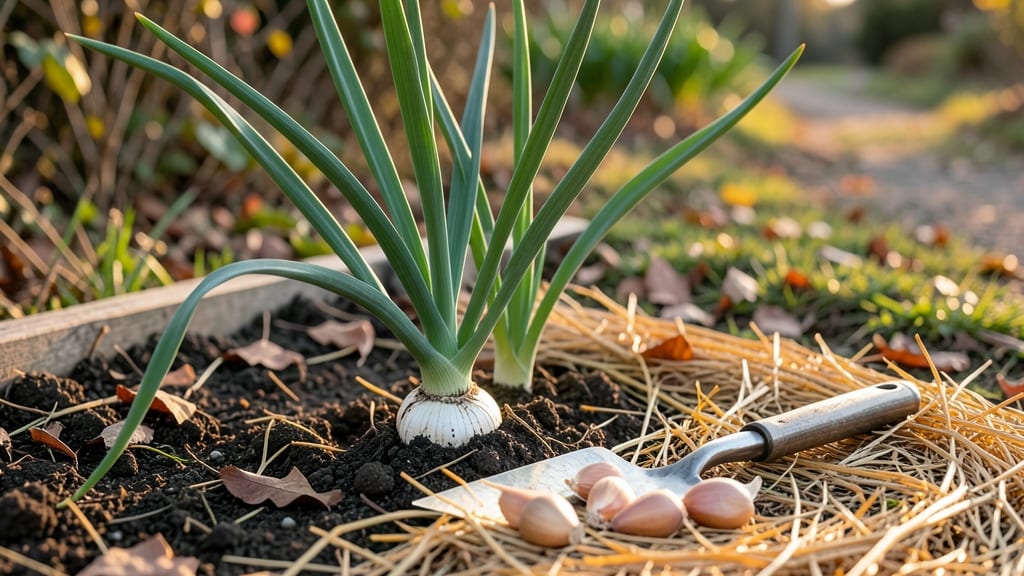
If you’ve ever wondered when to plant garlic in Vermont, timing is everything—especially when your harvest depends on surviving winter’s harsh freeze-thaw cycles.
Unlike warmer climates, Vermont’s 4b-6a zones demand precision: plant too early, and your 🧄 cloves rot; too late, and they won’t root before the ground locks up.
The mid-to-late fall window (October–November) is your golden opportunity, but Vermont’s microclimates complicate things. The Northeast Kingdom’s colder air freezes soil faster than the Champlain Valley’s milder pockets. I’ll break down the exact weeks to plant in each zone so your garlic bulbs emerge strong next summer.
You’ll also discover how to adjust for Vermont’s unpredictable weather—like using soil thermometers to time plantings or choosing hardneck varieties that thrive in our short seasons. No more guessing whether your garlic will bolt or shrivel.
Let’s dive into the microclimate-specific strategy that’ll turn your Vermont garden into a garlic powerhouse, from frost dates to the best varieties for your patch of land.
Vermont garlic planting calendar by microclimate Zone
Vermont’s five distinct microclimates create wildly different garlic planting windows—what works in the Champlain Valley fails in the Northeast Kingdom. Hardneck garlic thrives when planted 4-6 weeks before hard frost, but Vermont’s USDA zones 4b-6a mean your timeline shifts by 3-4 weeks depending on location.
Let’s break down the exact weeks for each zone to ensure your cloves establish roots before winter dormancy.
For Northern Vermont (Northeast Kingdom, Zone 4b), aim for mid-September to early October—soil temps should hover around 40-50°F for optimal root growth. In Central Vermont (Zone 5a), you’ve got a 2-week buffer—plant from late September to mid-October.
Meanwhile, Southern Vermont (Zone 6a) gardeners can wait until mid-October to early November, but don’t push it past November 15 or risk poor bulb development.
🌱 Pro Tip: Use a soil thermometer to confirm temps—garlic roots need consistent 40°F+ soil for 4-6 weeks before winter. If temps drop below 32°F, roots stop growing, and your harvest suffers.
| Zone | USDA Hardiness | Planting Window | Soil Temp Goal | Key Consideration |
|---|---|---|---|---|
| Northeast Kingdom | Zone 4b | Mid-Sept to Oct 5 | 40-50°F | Earliest frost risk—prioritize early planting |
| Champlain Valley | Zone 5a | Late Sept to Oct 15 | 45-55°F | Milder winters—extend window slightly |
| Green Mountains | Zone 5a | Late Sept to Oct 10 | 40-50°F | High elevation—soil cools faster |
| Central VT | Zone 5b | Oct 1-20 | 45-55°F | Balanced climate—ideal for beginners |
| Southern VT | Zone 6a | Mid-Oct to Nov 1 | 50-60°F | Latest window—but avoid Nov 15+ |
Hardneck garlic like ‘German White’ or ‘Chesnok Red’ need 90-120 days of cold to form scapes and bulbs. In Zone 4b, planting too late means insufficient chilling, while Zone 6a gardeners risk overwintering issues if planting after November 1.
Use local frost date data from the Vermont Weather Underground to fine-tune your schedule.
For Champlain Valley gardeners, aim for October 1-15—this zone’s moderate winters give you flexibility.
If you’re in Burlington or nearby, test soil temps weekly after September 20 to catch the sweet spot. Southern Vermont (e.g., Bennington area) can push to early November, but avoid planting after November 15—roots won’t establish before freeze.
🌿 Local Tip: Check with Vermont Extension Service for real-time frost alerts—their 2023 data shows 3-5 day variations in frost timing across regions. Adjust your planting by 5-7 days if alerts predict an early freeze.
If you’re unsure about your exact microclimate, observe nearby apple orchards or maple syrup producers—their harvest timing aligns with Vermont’s garlic planting windows.
For example, apple harvest in late September signals it’s time to plant in Zone 4b, while maple sap flow in March confirms your garlic is dormant and safe.
📅 Backup Plan: Keep extra cloves in the fridge for a January planting if your fall window closes early. While not ideal, winter-planted garlic still yields 50-70% of normal size if given consistent moisture and spring mulch.
Finally, mark your calendar for harvest time—Vermont’s hardneck garlic is ready when lower leaves brown in July. But your planting window today determines whether you’ll have plump bulbs or stunted harvests next summer.
How to adjust planting for Vermont’s unpredictable weather patterns
Vermont’s weather can throw curveballs—one week might bring early snow, while another delivers unseasonably warm spells. These fluctuations can confuse even experienced gardeners about the best planting window for garlic.
The key is flexibility: knowing how to adjust planting dates based on soil temperature, frost forecasts, and your local microclimate.
Start by monitoring soil temperatures using a soil thermometer. Garlic cloves need the ground to be 40-50°F (4-10°C) before planting. If your soil stays above this range into late November, you’re safe to plant.
But if temperatures drop suddenly, cover your beds with straw mulch (4-6 inches) to insulate the soil and protect emerging roots.
Here’s my backup planting strategy for unpredictable years: If you miss the ideal window (mid-October to early November), don’t panic. You can still plant garlic in early December—just use a row cover or cold frame to shield it from harsh winds and snow.
The cloves will remain dormant until spring, then grow when conditions warm up.
🌱Pro Tip: Check the Vermont Weather Underground or local USDA frost maps for your specific town. These tools predict first hard frost dates with surprising accuracy, helping you fine-tune your planting schedule.
Another trick? Plant a test row 2-3 weeks before your target date. If the cloves sprout and grow 1-2 inches of green before winter, your timing is perfect. If they rot or freeze, you’ll know to adjust next year.
For late frosts (a common issue in Vermont’s valleys), choose earlier-maturing varieties like ‘German White’ or ‘Chesnok Red’. These hardnecks tolerate shorter growing seasons better than slower varieties like ‘Music’. Plant them 2-3 weeks earlier than your usual date to give them a head start.
Finally, remember: garlic planted in spring (March-April) will grow but rarely form full-sized bulbs. If you’re forced to spring-plant due to missed fall dates, expect smaller yields—but it’s better than nothing! Focus on soil prep (add compost) and consistent watering to maximize what you get.
⚠️ Warning: The 3 Biggest Vermont Planting Mistakes
- Planting too late: If cloves don’t root before ground freeze, they’ll rot. Aim to plant 4-6 weeks before your area’s first hard frost.
- Ignoring soil temperature: Cold soil (below 40°F) stunts root growth. Use a soil thermometer to confirm readiness.
- Skipping mulch: Without insulation, garlic bulbs can heave (pop out of the soil) during freeze-thaw cycles. Always mulch with straw or leaves.
🌧️ Remember: Vermont’s unpredictable weather means your planting date might shift yearly. Stay flexible!
If you’re still unsure about your local conditions, reach out to your county agricultural extension office. They track historical frost data and can give you town-specific advice. For example, Burlington’s Champlain Valley often has 2-3 weeks later planting windows than St. Johnsbury’s Northeast Kingdom.
By combining soil monitoring, mulch protection, and flexible varieties, you’ll turn Vermont’s weather quirks into garlic-growing advantages. Even in the most unpredictable years, you’ll walk away with plump, flavorful bulbs—not just scraps.