
Plants
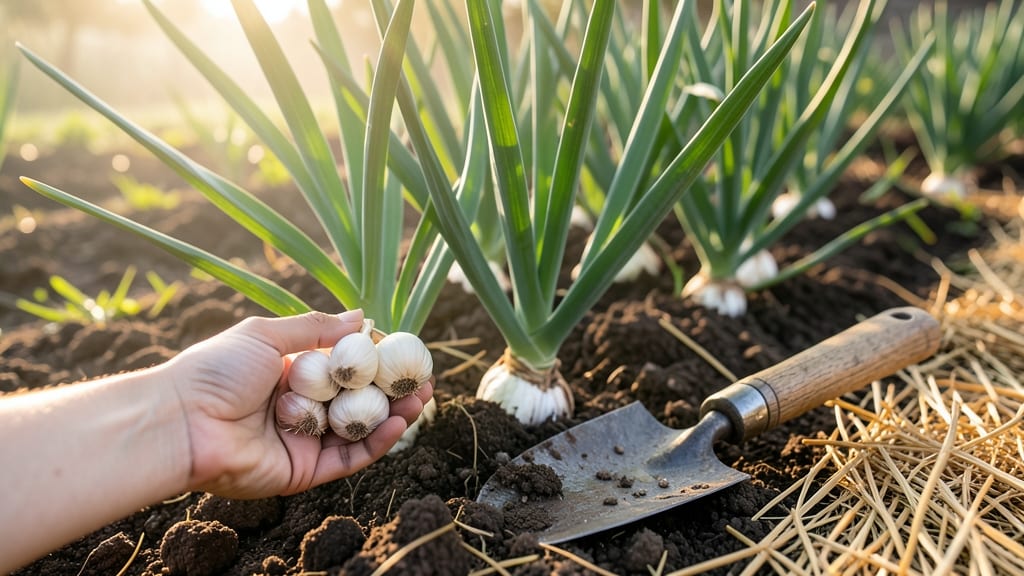
Timing your 🧄 garlic planting in Zone 9 isn't just about throwing seeds in the dirt—it's the difference between plump, flavorful bulbs and disappointing harvests. Unlike cooler climates, Zone 9's mild winters and summer heat demand precise scheduling to avoid stressing your plants.
Most gardeners in Zone 9b know the sweet spot: planting between October and December gives garlic enough time to establish roots before summer's relentless sun. But there's a trickier window too—early January plantings can still work if you choose heat-tolerant varieties like 'Silverskin' or 'Artichoke'.
I've learned the hard way that planting too late means your garlic will bolt (flower) prematurely, sacrificing bulb size. The key is balancing cooler temperatures with enough growing days before summer arrives—typically 270 days to maturity.
Let me show you exactly how to nail this timing for your Zone 9 garden.
We'll cover soil prep secrets, variety selection, and even how to adjust for those unpredictable Zone 9 microclimates. By the end, you'll know exactly when to plant for maximum yield—without guessing or wasting seeds. Let's get started.
Best planting months for garlic in Zone 9: avoid summer heat for maximum yield
Garlic thrives in cooler temperatures, but Zone 9’s mild winters and summer heat create unique challenges. Unlike colder zones, you can’t rely on frost to signal planting time—so understanding temperature thresholds and seasonal cues is key.
Planting too early in summer heat stresses cloves, while waiting too late risks weak bulb formation before summer’s return.
The ideal window for Zone 9 garlic is October through December, when daytime temps hover between 60°F and 75°F. This mimics the chilling period garlic needs to form bulbs.
Early varieties planted in September may bolt (flower prematurely) in heat, while late December plantings might not mature before summer’s intensity.
For a second harvest, you can also plant in January, targeting early winter when nights cool slightly. However, this method requires heat-tolerant varieties like ‘Silverskin’ or ‘Artichoke’ to survive Zone 9’s lingering warmth.
Avoid planting in spring or summer—garlic hates heat and will either bolt or produce tiny, pungent bulbs.
🌱
| Planting Window | Ideal Months | Temperature Range | Variety Recommendation | Harvest Time |
|---|---|---|---|---|
| Fall Planting | October–November | 60°F–75°F (day) | Hardneck or Softneck | April–May |
| Early Winter Planting | December–January | 55°F–65°F (day) | Silverskin or Artichoke | May–June |
| Avoid Planting | February–September | Above 80°F (day) | N/A (Risk of bolting) | Poor yield or no harvest |
Zone 9’s lack of frost means you’ll need to create chilling conditions artificially if planting later. For January plantings, use shade cloth or plant in a cool microclimate (like near a north-facing wall). Mulch heavily with straw or leaves to simulate winter chill and retain moisture during dry spells.
Timing also depends on your garlic variety. Hardneck varieties (like ‘German White’) need 40–60 days of chill and are best planted in October–November. Softneck types (like ‘California Early’) tolerate less chill and can handle January plantings if given shade and consistent moisture.
Pro tip: Use a soil thermometer to monitor temps. Aim for 50°F–60°F soil temps at planting—any warmer, and cloves may rot before sprouting. In Zone 9, this usually aligns with October’s end, but early rains or heatwaves can shift the window.
🌡️
If you miss the fall window, don’t despair—January is your backup. Just be prepared to water deeply and mulch aggressively to protect cloves from drying out. With the right timing, you’ll harvest plump, flavorful bulbs just as summer heats up, ready for storage or cooking.
✂️
Best planting months for garlic in Zone 9: avoid summer heat for maximum yield
Zone 9's mild winters and hot summers make garlic planting timing more critical than in cooler regions. Unlike traditional fall planting, you have two viable windows: October-November or January. The key is avoiding summer heat, which stresses garlic and triggers premature bolting (flowering).
Most successful Zone 9 gardeners plant between mid-October and December, giving plants 6-8 weeks of cooler weather to establish roots before summer arrives. This aligns with garlic's need for 270 days to maturity—enough time to develop plump bulbs before summer's intensity.
For those who miss the fall window, early January plantings can still work if you choose heat-tolerant varieties like 'Silverskin' or 'Artichoke'. These varieties handle Zone 9's unique climate better than traditional hardneck types, which struggle with our lack of frost.
🌱 Zone 9 Garlic Planting Comparison
| Planting Window | Ideal Soil Temp | Days to Maturity | Best Varieties | Key Consideration |
|---|---|---|---|---|
| October-November | 50-65°F | 270-300 days | Silverskin, Artichoke | Establishes roots before summer heat |
| January | 55-60°F | 240-270 days | Heat-tolerant Silverskin | Rushes growth before summer |
| Avoid: February-March | N/A | N/A | None | Too late; bolting risk |
Temperature is your best guide—aim for soil temps between 50-65°F at planting. Use a soil thermometer to check; cooler temps (below 50°F) delay growth, while warmer temps (above 70°F) stress plants. In Zone 9, this usually means planting when daytime highs are consistently below 80°F.
Microclimates matter too. Coastal areas with milder winters can plant slightly later (December), while inland zones should plant by mid-November to avoid summer heat. I've seen garlic planted in December near the coast thrive where inland plantings struggled.
Pro tip: If you're unsure about timing, opt for Silverskin varieties—they're the most heat-tolerant and adaptable to Zone 9's unique growing conditions. Just remember: the earlier you plant in the fall window, the larger your bulbs will be by harvest time.