
Plants
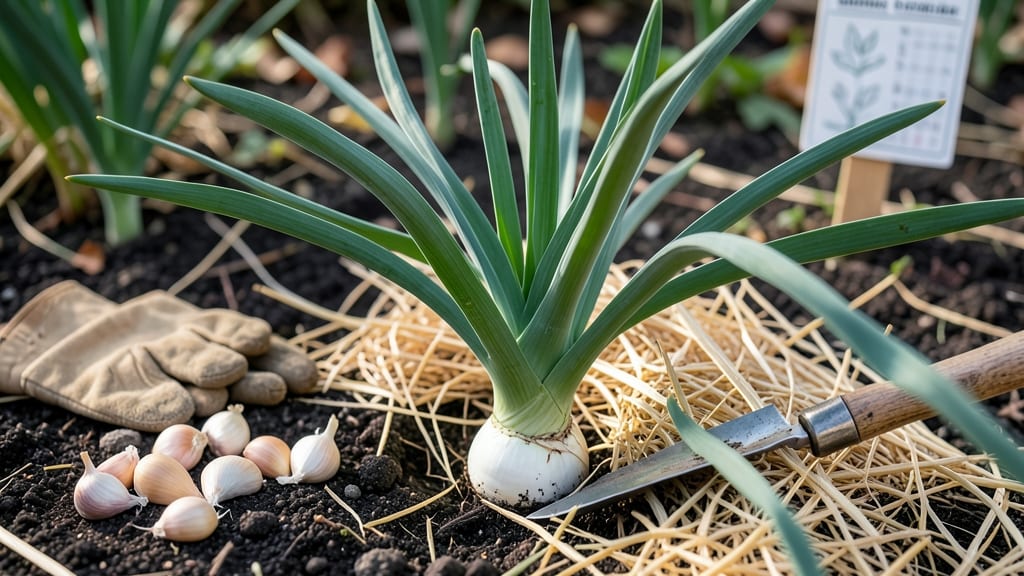
Timing your 🧄 garlic planting in North Carolina isn't just about the calendar—it's about matching your local chill-hours to the right variety. Plant too early, and you risk bolting; too late, and your bulbs might never mature.
The key lies in understanding your region's frost dates and hardiness zone, especially since NC spans 6b-8a with microclimates that can shift planting windows by weeks.
Most gardeners in the Tar Heel State know fall is the prime time to plant garlic, but the exact window—October to November—varies depending on whether you're growing hardneck or softneck varieties.
Hardnecks, like Rocmot or Chesnok Red, need 30-40 chill-hours to form proper bulbs, while softnecks like Silverskin can handle fewer. If you're in the Piedmont, aim for early October; mountain regions can wait until late November.
What you might not realize is that soil prep and spacing play just as big a role as timing. Planting cloves 4 inches deep and 6 inches apart in well-drained soil gives your garlic the best start, but NC's humid summers mean you'll also need to watch for fungal diseases.
The good news? With the right chill-hour match and a little regional know-how, you'll be harvesting plump, flavorful bulbs by late June or July—just in time for summer cooking.
Ready to avoid common mistakes like planting too shallow or ignoring your local frost dates? I'll walk you through the exact steps to time your planting perfectly, from verifying chill-hours to adjusting for coastal vs. mountain microclimates. Let's get your garlic off to the best possible start.
North Carolina garlic planting calendar by chill-hours: hardneck vs softneck varieties
North Carolina’s diverse climate means your garlic planting window depends on chill-hours—the number of hours below 40°F your region experiences. Most of NC falls in USDA Zones 7a-7b, requiring 300-400 chill-hours for hardneck varieties like Chesnok Red and Rocambole.
Softnecks like Silverskin need fewer chill-hours (200-300) and thrive in warmer southern zones.
For peak flavor and bulb size, plant garlic cloves in late September to early November, 4-6 weeks before the ground freezes. This timing ensures bulbs mature fully by late June-July without bolting (flowering prematurely).
Use local frost dates as your guide—aim for October 15 in Piedmont and November 1 in the Mountains.
To verify your chill-hours, check NOAA’s Climate Data tool or local agricultural extension reports. For example, Raleigh (Zone 7b) averages 350 chill-hours, while Asheville (Zone 7a) hits 400+. Adjust planting dates if your area is warmer or colder than average.
Hardneck varieties (hardneck garlic) need more chill-hours and produce scape shoots (useful for pesto), while softnecks (softneck garlic) store longer but lack scapes. Choose based on your region’s chill-hours and your preference for flavor intensity vs. storage life.
If you’re in a warmer microclimate (e.g., Coastal NC), opt for softneck varieties or plant later in October-November to avoid premature sprouting. In higher elevations (e.g., Asheville), hardnecks thrive with earlier planting. Always use large, firm cloves from organic sources for the best yields.
Prepare your soil by amending with compost and a low-nitrogen fertilizer (5-10-10) at planting. Garlic hates soggy soil, so ensure well-draining beds, especially in NC’s rainy springs. Space cloves 6 inches apart in rows 12 inches apart for optimal airflow and bulb development.
After planting, mulch with straw or leaves to insulate bulbs during winter and suppress weeds. Avoid nitrogen-heavy fertilizers in spring—garlic focuses on bulb growth, not foliage. Water deeply once a week (or more in drought) to encourage strong roots without over-saturating the soil.
Monitor for bolting (flowering stalks) in spring, which weakens bulbs. If scapes appear, harvest them for pesto but leave the bulb to mature. In late June, harvest when lower leaves yellow and papery skins form. Cure bulbs in a shady, dry spot for 2 weeks before storing.
For year-round garlic, plant a second crop in late December for a summer harvest, though yields will be smaller. This works best in warmer southern NC zones where winters are milder.
How to adjust garlic planting for North Carolina’s microclimates: coastal vs mountain regions
North Carolina’s diverse geography means your garlic’s success hinges on where you live. Coastal areas like Wilmington (Zone 8a) have milder winters, while the Appalachian Mountains (Zone 6b) face earlier frosts.
Adjusting your planting schedule by just a few weeks can make the difference between a thriving crop and a failed one.
For Coastal Plain regions, plant garlic between October 15–November 1 to ensure enough chill hours (400–600) before warmer coastal winters. Sandy soils here drain too quickly, so amend with compost or aged manure to retain moisture.
Mulch heavily with straw or pine needles to protect bulbs from erratic coastal freezes.
In the Piedmont, aim for September 25–October 15 planting. This zone’s moderate climate (500–700 chill hours) suits popular hardneck varieties like Rocambole. Use raised beds if your soil is clay-heavy, as poor drainage leads to rot. Avoid planting after October 20—late plantings risk bolting (flowering) before harvest.
🏔️ Mountain vs. Coastal Garlic Growing Adjustments
- Mountains (Zone 6b): Plant September 15–October 10 for 800+ chill hours. Use row covers in early spring to prevent premature sprouting.
- Piedmont (Zone 7a): October 1–15 window. Test soil pH (6.0–7.0)—add lime if needed.
- Coastal (Zone 8a): November 1 cutoff. Plant deeper (5–6 inches) in sandy soil to anchor bulbs.
Pro tip: Use NOAA’s chill-hour maps to verify your local requirements—some mountain valleys get 1,000+ hours!
High-elevation gardeners in the Blue Ridge Mountains should plant earlier (September 1–15) to capitalize on long winters. Protect beds with frost cloth in late fall and remove it by mid-March to avoid overheating. Softneck varieties like Silverskin thrive here—they tolerate cooler temps better than hardnecks.
Southern NC’s warmer microclimates (e.g., Fayetteville) may need a trick: plant garlic in early December for a spring harvest. Use black plastic mulch to warm soil and extend the season. Avoid planting after January 10, or bulbs may bolt early.
Regardless of your NC zone, test soil moisture before planting—garlic hates soggy roots. In sandy coastal soils, water twice weekly after establishment, while mountain gardens may only need supplemental watering during dry spells in summer. 🌱