
Plants
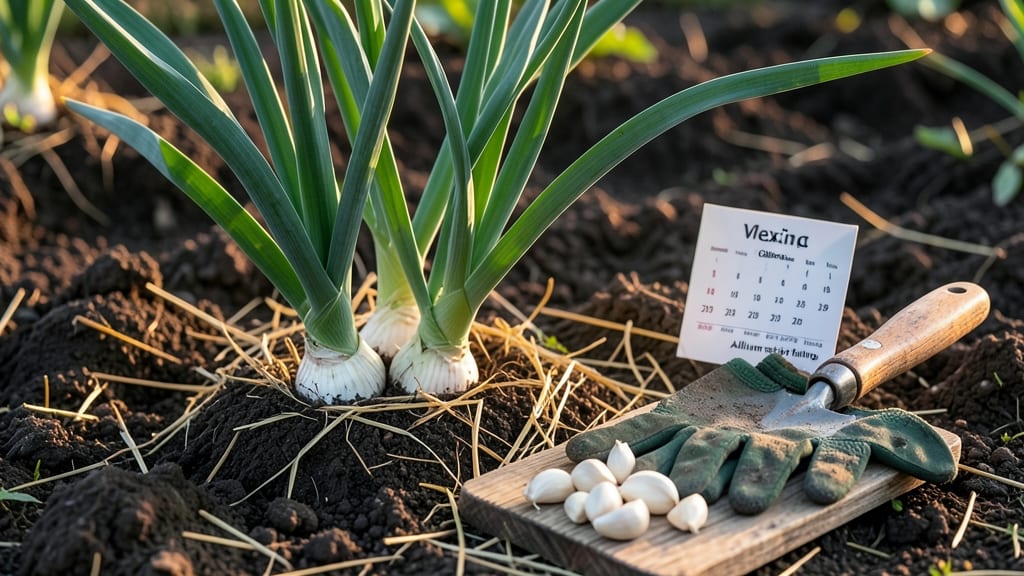
Timing your garlic planting in Connecticut could mean the difference between a bumper crop and a bust—because those October-November windows are critical for hardneck and softneck varieties alike. Too early, and frost zaps your cloves; too late, and your bulbs won’t mature by harvest season.
Connecticut’s USDA Zone 6a climate adds another layer, where hardneck garlic actually needs cold to form strong bulbs, while softnecks play it cooler.
If you’ve ever wondered why some gardeners swear by planting in early October while others wait until November, it all comes down to soil temperatures, frost dates, and the unique growing cycles of each variety.
I’ll break down the exact 4-6 week window before your first hard freeze—because missing it means smaller harvests or no harvest at all. Plus, I’ll share how to prep your soil for maximum success, so your 🧄 thrives all winter long.
What most Connecticut gardeners don’t realize is that hardneck garlic (like Rocambole or German White) actually performs better with early planting, while softnecks (like Artichoke or Silverskin) are more forgiving.
I’ll walk you through the key differences, so you can pick the right variety for your goals—whether you’re growing for scapes, storage, or just that homegrown flavor. Let’s get those cloves in the ground the right way.
By the end of this guide, you’ll know not just when to plant, but how to set your garlic up for the late June-July harvest you’ve been dreaming of. No more guesswork—just proven strategies tailored to Connecticut’s short growing season. Ready to grow garlic like a pro?
Optimal planting windows for Connecticut’s climate zones (hardneck vs softneck)
Connecticut’s USDA Zones 5b-6b create unique challenges for garlic growers. Hardneck varieties like ‘Music’ or ‘German White’ thrive in cold winters, while softneck types like ‘Silverskin’ tolerate milder conditions. The key? Planting when soil temps hit 40–50°F—typically 4–6 weeks before hard frost.
For most of Connecticut, that means mid-October to early November. Northern areas (Zone 5b) should aim for late September to October 15th, while southern regions (Zone 6b) can extend planting until November 1st. Hardnecks need cold vernalization to form bulbs, so don’t wait too late!
Missed the fall window? Softnecks only can handle spring planting (March–April), but yields will be smaller. Hardnecks planted in spring won’t bulb properly—save them for fall.
🌱
| Variety Type | Optimal Planting Window | Soil Temp Requirement | Cold Needs | Connecticut Adjustments |
|---|---|---|---|---|
| Hardneck (e.g., 'Music', 'German White') | October 1–November 15 | 40–50°F | Requires winter chill | Plant by November 1st in southern CT |
| Softneck (e.g., 'Silverskin', 'Artichoke') | October 1–December 1 (or March–April) | 45–60°F | No chill needed | Spring planting works but yields drop |
Connecticut’s first hard freeze (usually mid-October) signals the perfect planting window. Hardnecks planted too late may not bulb, while softnecks can stretch into December. For Zone 5b areas, prioritize early October planting to ensure cold exposure.
Pro tip: Break apart bulbs into individual cloves (leave papery skin on) and plant the pointy end up. Space cloves 4–6 inches apart in rows 12 inches apart for airflow. Mulch heavily (4–6 inches of straw) after planting to protect from winter fluctuations.
🌿
If you’re growing for scapes (hardneck flower stalks), plant 2–3 weeks earlier (late September) to harvest scapes in early June before bulbs mature. Softnecks don’t produce scapes, so focus on bulb development if you choose them.
📅 Missed the fall window? Only softnecks can be planted in early spring (March–April), but expect 50% smaller bulbs compared to fall planting. Hardnecks planted in spring will bolt (flower) instead of forming bulbs.
🔍 Local tip: Check Connecticut’s USDA frost maps or your local Cooperative Extension for year-specific adjustments. Some years, early November planting still works if soil temps stay above 40°F.
Optimal planting windows for Connecticut’s climate zones (hardneck vs softneck)
Connecticut’s USDA Zone 6a climate creates a tight planting window for garlic, where hardneck varieties actually require cold exposure to develop properly. Unlike other crops, your garlic planting should happen when soil temperatures drop to 40–50°F, which typically aligns with mid-October to early November.
This timing ensures hardneck garlic gets the 60-day cold period it needs for bulb formation, while softnecks are more flexible but still benefit from early planting.
For most of Connecticut, aim to plant 4–6 weeks before your first hard freeze—usually October 15–November 15. Hardneck varieties like Rocambole or German White planted in early October will produce larger bulbs and even scapes by summer, while softnecks like Artichoke can handle later plantings into early November.
Missing this window risks smaller bulbs or no harvest at all.
Here’s how to adjust for Connecticut’s microclimates: Coastal areas (like New Haven) may plant 1–2 weeks later due to milder winters, while inland zones (like Hartford) should plant earlier to avoid early freezes.
Always check your local first frost date—Connecticut’s ranges from mid-October in the north to late October in the south.
| Variety Type | Ideal Planting Window | Cold Requirement | Key Notes |
|---|---|---|---|
| Hardneck (e.g., Rocambole, German White) | Mid-October – Early November | 60+ days below 40°F | Best for scapes; larger bulbs |
| Softneck (e.g., Artichoke, Silverskin) | Late October – Early November | Mild winter tolerance | Better for storage; smaller bulbs |
Pro tip: Use a soil thermometer to confirm temps—garlic cloves won’t sprout in soil warmer than 50°F. If your soil is too warm, wait a few days or plant in a shadier spot to cool it down. Overheated soil can cause cloves to rot before they even sprout.
Connecticut’s short growing season means every day counts. Planting too late (after November 15) risks bulbs that won’t mature before summer heat sets in. Conversely, planting too early (before October 1) exposes cloves to frost heave, where freezing/thawing cycles push them out of the soil. Balance is key!
For maximum yields, pair your planting date with proper mulching—use 4–6 inches of straw after planting to insulate cloves through winter. This protects them from extreme temperature swings and keeps soil moisture steady. Mulch also suppresses weeds, giving your garlic an uninterrupted path to maturity.