
Plants
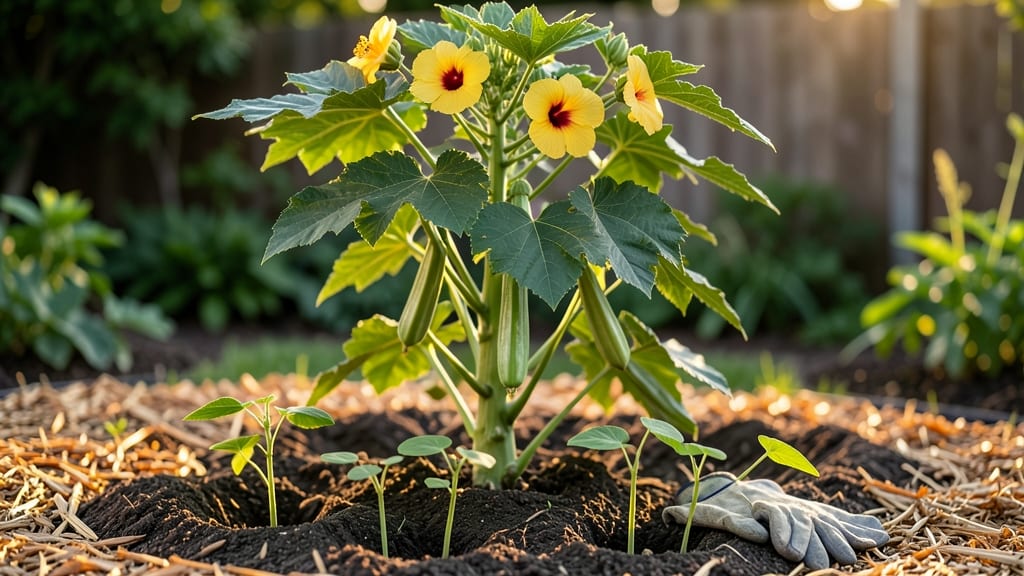
Planting okra in Oklahoma might seem tricky with its unpredictable springs and scorching summers, but getting the timing right is the key to a thriving harvest.
The perfect window to start your 🌱 okra seeds is after the last frost, typically between mid-April and early June, when soil temperatures hit at least 60°F.
Why does this matter? Because okra thrives in heat but despises cold snaps, and planting too early can leave your plants vulnerable to frost damage. In Oklahoma’s USDA zones 6b-7a, waiting until the soil warms up ensures your okra grows strong and resists common pests that love cooler weather.
If you’re wondering how to maximize your yield, the secret lies in choosing heat-resistant varieties and preparing your soil properly.
I’ll walk you through the exact steps—from selecting the best okra types for Oklahoma’s climate to adjusting your planting schedule based on whether you’re in the north or south part of the state.
Ready to grow okra that flourishes in Oklahoma’s heat? Let’s dive into the optimal planting timeline, soil prep tips, and how to keep your plants thriving until harvest season—without the stress of guesswork.
Optimal planting timeline for okra in Oklahoma: weeks after last frost guide
Timing your okra planting in Oklahoma is all about beating the heat while avoiding late frosts. The last frost date in most Oklahoma regions falls between March 15 and April 15, but this varies by zone.
For USDA Zones 6b-7a, aim to plant 4-6 weeks after your last frost—typically mid-April to early June.
Okra thrives in warm soil, so wait until the ground reaches at least 60°F (15°C). Cold soil slows germination, and seedlings can rot if planted too early. Use a soil thermometer to check—this is especially critical in northern Oklahoma, where springs can linger chilly.
Direct sowing is the preferred method for okra in Oklahoma. Start seeds ½ inch deep in rows spaced 18-24 inches apart. Transplanting seedlings is possible, but they establish more slowly in Oklahoma’s heat. If you opt for transplants, harden them off for 7-10 days before moving them outdoors.
For southern Oklahoma (like Oklahoma City or TulsaJuly 1, as the heat becomes too intense for young plants to establish before harvest time.
Here’s a quick reference for Oklahoma’s frost-free windows and ideal planting times by region:
| Region | Last Frost Date | Planting Window | Soil Temp Requirement |
|---|---|---|---|
| Northern OK (e.g., Enid, Stillwater) | Mid-April | Late April–early May | 60°F+ |
| Central OK (e.g., Oklahoma City, Norman) | Early April | Mid-April–early June | 60°F+ |
| Southern OK (e.g., Tulsa, Lawton) | Late March | Early April–mid-June | 60°F+ |
If you’re unsure about your last frost date, check the National Weather Service or local Cooperative Extension Service for your county. Oklahoma’s variable weather means frost can sneak in even in May, so always have a plan to cover young plants with frost cloth if needed.
For direct sowing, scatter seeds in hills or rows, then thin seedlings to 12-18 inches apart once they’re 3-4 inches tall. This spacing gives plants room to grow tall and reduces competition for water—a critical factor in Oklahoma’s dry spells.
Mulch with straw or grass clippings to retain moisture and suppress weeds.
Okra grows best in well-draining soil with a pH of 6.0-6.8. Before planting, amend your soil with compost or aged manure to improve fertility. Oklahoma’s clay-heavy soils can compact easily, so mix in sand or perlite if your garden bed feels dense.
Pro tip: Plant okra near companion plants like basil or marigolds to deter pests and improve flavor. Avoid planting near potatoes or beans, as they compete for nutrients.
With the right timing and care, your okra plants will reward you with a harvest from July through October—just in time for Oklahoma’s hottest months! 🌱
Best heat-resistant okra varieties for Oklahoma’s extreme summers
Oklahoma’s 100°F+ summers demand okra varieties that thrive in intense heat and drought-like conditions. Not all okra handles this climate—some varieties wilt or produce bitter pods under stress. The key is selecting heat-tolerant, disease-resistant types that mature quickly before the worst heat sets in.
My top recommendations for Oklahoma gardeners include 'Clemson Spineless' and 'Emerald', both known for their thick, glossy pods and prolonged harvest windows. These varieties also resist common Oklahoma pests like aphids and okra borers, which can devastate weaker plants during peak summer months.
| Variety | Days to Maturity | Heat Tolerance | Disease Resistance | Pod Length |
|---|---|---|---|---|
| Clemson Spineless | 55-65 | Excellent | High (aphids, borers) | 4-6 inches |
| Emerald | 60-70 | Very High | Moderate (powdery mildew) | 3-5 inches |
| Jumbo Green | 60-75 | Good | Low (susceptible to blight) | 6-8 inches |
| Red Burgundy | 50-60 | Excellent | High (pests, mildew) | 3-4 inches |
For gardeners in Southern Oklahoma (USDA Zone 7a), I recommend 'Clemson Spineless' or 'Red Burgundy'—both mature quickly and produce smooth, tender pods even when temperatures soar. In Northern Oklahoma (Zone 6b), opt for 'Emerald', which handles cooler evenings better while still enduring daytime heat.
Always check seed packets for days to maturity—this tells you how fast the plant will produce harvestable pods. In Oklahoma, aim for varieties that reach maturity in 55-70 days to avoid the late-summer heat slump when pods can become tough and fibrous.
Pro tip: If you’re planting in late May or June, choose the fastest-maturing variety (50-55 days) to ensure a harvest before Oklahoma’s first frost in November. Pair your selection with drip irrigation to maintain consistent moisture without stressing the plants.
Remember, even the hardiest okra needs well-draining soil and full sun exposure. Amend your garden beds with compost before planting to improve soil structure and water retention—critical for Oklahoma’s clay-heavy soils that can bake dry in summer.