
Plants
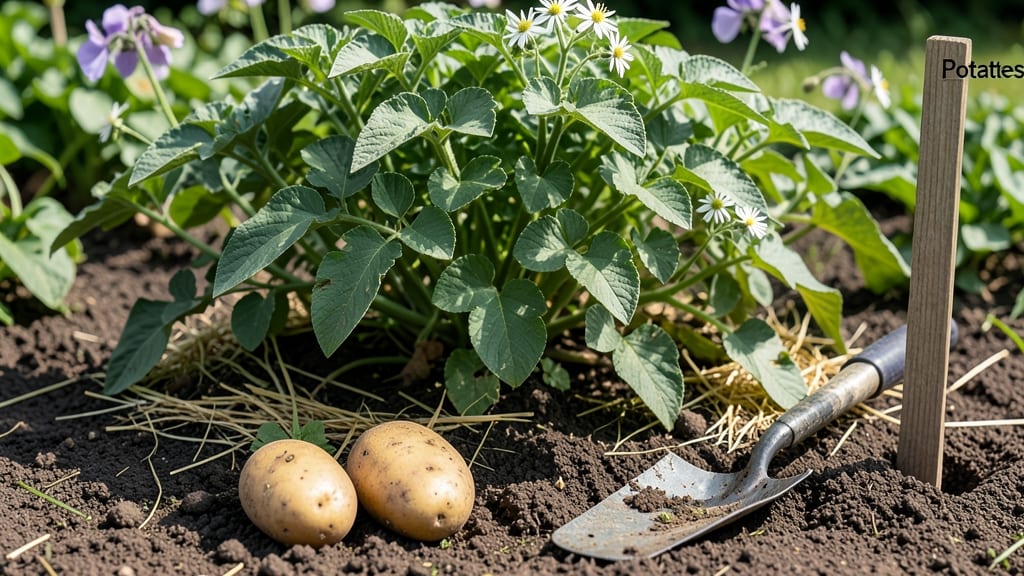
Planting potatoes in Idaho isn't just about timing—it's about mastering the elevation puzzle that turns a good harvest into a great one. Whether you're in Boise's low desert or a mountain valley near Zone 7b, getting the dates wrong can mean the difference between bountiful 🥔 and blighted dreams.
The key to Idaho's potato success lies in understanding your local frost patterns and soil temperatures. While most gardeners aim for mid-April to early June, high-altitude areas like Zone 5b need to wait until after the last frost—sometimes as late as early June.
Let me show you exactly how to calculate your perfect planting window based on where you live.
Beyond dates, we'll cover the critical adjustments Idaho gardeners must make—like soil prep for sandy vs. clay soils and which varieties thrive at different elevations. I'll also reveal the 5 most common mistakes that sabotage harvests, so you can avoid them from day one.
Ready to grow potatoes that outperform your neighbors'? Let's dive into the science-backed schedule that's putting Idaho on the map as the potato-growing powerhouse it truly is.
Idaho potato planting dates by elevation Zone: a science-backed schedule
Timing your potato planting in Idaho isn’t one-size-fits-all—it’s all about elevation zones. Idaho’s landscape spans 3,000 to 8,000 feet, creating microclimates where frost dates shift dramatically. Planting too early in cold soils risks rot and blight, while waiting too late cuts harvests short.
Let’s break down the optimal planting windows for each zone, using local frost data and soil temperature thresholds.
For low-elevation areas (3,000–4,000 ft), like the Treasure Valley, last frost typically hits mid-April to early May. This means your planting window opens late April to early May—but only if soil temps stay above 45°F (7°C) consistently.
Higher elevations? Those dates slide 2–4 weeks later. Use Idaho’s USDA Plant Hardiness Zone Map (5b–7b) as a starting point, but always verify with your local Cooperative Extension Service for hyper-local data.
The key to success is soil temperature, not just calendar dates. Potatoes need soil at least 45°F (7°C) to sprout reliably. Use a soil thermometer to confirm—cold soils delay germination and invite disease.
In high-altitude zones (>7,000 ft), where frost lingers until June 1, focus on early-maturing varieties like ‘Yukon Gold’ or ‘Red Pontiac’ to avoid early blight.
Here’s the elevation-based planting schedule you need to nail your Idaho potato harvest:
| Elevation Zone (ft) | Last Frost Date | Planting Window | Soil Temp Threshold | Best Varieties |
|---|---|---|---|---|
| 3,000–4,000 | Mid-April to early May | Late April–early May | 45°F (7°C) | Russet Burbank, Kennebec |
| 4,000–5,000 | Late April–early June | Early May–mid-May | 45°F (7°C) | Yukon Gold, Fingerlings |
| 5,000–6,000 | Early May–late May | Mid-May–early June | 45°F (7°C) | Red Pontiac, Purple Viking |
| 6,000–7,000 | Late May–early June | Early June–mid-June | 48°F (9°C) | Early Rose, Goldrush |
| >7,000 | June 1–June 15 | Mid-June–early July | 50°F (10°C) | Early Girl, Irish Cobbler |
Pro tip: If you’re in a transition zone (e.g., 4,500 ft in Boise), err on the side of planting later. Cold snaps in April can push frost dates back, and potatoes won’t tolerate soggy, chilly soil.
For high-altitude gardeners, consider chitting potatoes indoors 4–6 weeks before planting to jumpstart growth.
Don’t forget about fall planting in Idaho’s warmer microclimates! In Zone 7b areas (like Nampa or Caldwell), you can plant late-summer varieties (e.g., ‘Katahdin’) in early August for a fall harvest.
These potatoes need 90–110 days to mature, so time it so they’re ready before the first frost (mid-October). Use black plastic mulch to warm the soil and extend the season by 2–3 weeks.
One more critical factor: daylength. Idaho’s long summer days (15+ hours in June) push potatoes to mature faster than in shorter-day regions. This means you can space plantings every 2 weeks from April to June for a staggered harvest.
Start with early varieties, then follow with mid- and late-season types to keep your kitchen stocked from July through October.
For urban gardeners in Boise or Meridian, microclimates can vary even within neighborhoods. If your yard sits in a heat sink (like near pavement), soil warms faster—plant 1–2 weeks earlier.
Conversely, windy or shaded areas stay cooler; delay planting by 10–14 days or use row covers to protect young plants.
Finally, always check your seed potatoes for disease before planting. Idaho’s dry summers can stress plants, making them vulnerable to late blight if conditions turn humid. Rotate planting locations yearly and avoid planting in soil where potatoes,
How to adjust planting timing for Idaho’s microclimates and soil types
Idaho’s microclimates can turn a perfectly good potato planting plan into a disaster if you don’t adjust for your specific conditions. For example, Boise’s low desert (Zone 7b) bakes in summer, while mountain valleys near McCall (Zone 5b) stay cool well into June.
Even within the same city, urban heat islands can push soil temperatures 10°F warmer than rural areas.
Your soil type also plays a huge role. Sandy soils in southern Idaho warm up faster, letting you plant 2-3 weeks earlier than clay-heavy soils in northern regions.
Meanwhile, windy areas like the Snake River Plain require extra protection to prevent transplant shock. Let’s break down how to adapt your timing for these challenges.
🌱 Visual Element: Pros-Cons Box for Idaho Microclimate Adjustments
For sandy soils, like those in Twin Falls, you can plant as early as mid-March for early varieties, but hilling becomes critical to retain moisture. In contrast, clay soils in Coeur d’Alene may not be workable until late April.
To test readiness, stick your finger 4 inches deep—if the soil feels like a squeeze toy, it’s too cold.
Another trick? Use straw mulch in high-wind areas to protect young sprouts. I’ve seen 50 mph gusts flatten entire rows in Lewiston—a 2-inch straw barrier makes all the difference. Pair this with windbreaks like cornstalks or burlap for extra defense.
Finally, urban gardeners in Boise or Meridian often face heat stress by June. If your soil feels like a hot griddle, switch to shade-tolerant varieties like Purple Viking or plant in afternoon shade. Even a 50% shade cloth can extend your harvest window by 2-3 weeks.
Adjusting for these factors isn’t just about dates—it’s about giving your potatoes the perfect start. With these tweaks, you’ll outpace 90% of Idaho gardeners who plant blindly by the calendar. Now, let’s talk about the 5 mistakes that still trip up even the most prepared growers.