
Plants
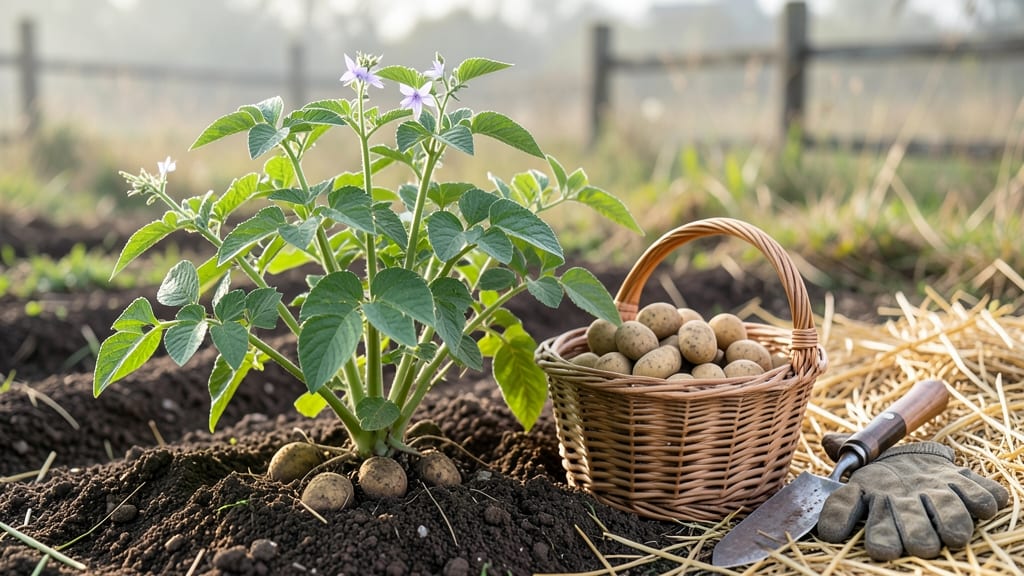
When do you plant the potatoes in North Carolina just right can mean the difference between a thriving harvest and wasted effort—especially when you're working with the state's varied climate zones.
Whether you're in the cooler 7a mountains or the milder 8b coastal plains, getting those seed potatoes in the ground at the perfect moment is the key to avoiding frost damage while maximizing tuber growth.
I'll show you exactly when to plant—from early spring varieties that go in as soon as soil warms to main crop potatoes that wait for stable temperatures—plus how to use local frost dates to your advantage.
Ready to learn how to time your planting for maximum yield? Let's dive into the precise weeks before your last frost that North Carolina gardeners swear by.
North Carolina’s exact planting windows: weeks before last frost for potatoes
Timing your potato planting in North Carolina is all about understanding your USDA zones (7a-8b) and last frost dates, which vary dramatically from the Coastal Plain to the Mountains.
For most of the state, aim to plant 4-6 weeks before your last frost, but this shifts from late February in the Coastal region to early April in the Mountains.
Early varieties can even go in as early as January in warmer microclimates, while late-season potatoes may need to wait until April or May.
Your soil temperature is just as critical as frost dates—potatoes need soil that’s at least 45°F (7°C) for germination. In North Carolina’s cooler zones, this often means waiting until March for reliable sprouting.
Using black plastic mulch can warm the soil faster, letting you plant 2-3 weeks earlier in spring. Always check your local frost dates from the NC State Extension for precision.
Here’s how to align your planting with North Carolina’s three main regions and potato varieties:
| Region | Last Frost Date | Ideal Planting Window | Best Varieties | Notes |
|---|---|---|---|---|
| Coastal Plain (Zone 8a) | Late February - Early March | Early February - Mid-March | Yukon Gold, Red LaSoda, Early Girl | Warmest zone—plant early varieties in January for spring harvest. |
| Piedmont (Zone 7b) | Mid-March - Early April | Late February - Mid-April | Kennebec, Russian Banana, Purple Viking | Moderate climate—best for mid-season varieties with longer growing season. |
| Mountains (Zone 6b-7a) | Early - Mid-April | Late March - Early May | Adirondack Blue, Fingerling, Katahdin | Coolest zone—delay planting until soil warms; use cold frames for early starts. |
For early varieties, like Red Pontiac or New Red Skin, you can push planting to January or February in the Coastal Plain and Piedmont if you use row covers or greenhouses. These fast-maturing potatoes (ready in 60-90 days) give you a jump on the growing season.
Meanwhile, late-season varieties, such as Kennebec or Russet, need to go in April or May to avoid frost damage before harvest.
Pro tip: If you’re unsure about your exact frost date, use the NC State Climate Office’s frost calculator or check with your local Cooperative Extension office. They’ll provide the most accurate 10-year averages for your specific county.
For example, Raleigh (Zone 7b) typically sees its last frost around March 20, while Asheville (Zone 7a) waits until April 5.
Another key factor is soil preparation. North Carolina’s clay-heavy soils in the Piedmont and sandy soils along the coast both need amending. In clay areas, mix in compost and sand to improve drainage, while coastal gardeners should add organic matter to retain moisture.
Aim to have your soil pH between 5.0-6.5—potatoes are sensitive to alkaline conditions.
Don’t forget about fall planting! Some gardeners in North Carolina’s warmer microclimates (like the Coastal Plain) can plant a second crop in late summer (August-September) for a fall harvest. Use fast-maturing varieties and plant 10-12
How to adjust planting time for North Carolina’s microclimates and soil conditions
North Carolina’s diverse geography means your potato planting time should vary based on where you live. The Coastal Plain (like Wilmington) enjoys warmer springs, while the Mountains (like Asheville) face later frost dates.
Even within regions, microclimates—like south-facing slopes or low-lying areas—can shift planting by 2-4 weeks. Always check your local USDA Hardiness Zone (NC spans 7a-8b) and last frost date for precision.
For sandy coastal soils, plant 2-3 weeks earlier than the recommended date—these soils warm faster but dry out quickly. In contrast, clay-heavy Piedmont soils (like Raleigh) hold moisture longer, so delay planting by 1-2 weeks to avoid rot.
Test your soil’s drainage by digging a 12-inch hole: if water pools after 6 hours, amend with compost or sand to improve aeration.
- Coastal Plain (Zones 8a-8b): Plant early varieties (e.g., Yukon Gold) 4-6 weeks before last frost (as early as mid-February). Use black plastic mulch to warm soil faster.
- Piedmont (Zones 7a-7b): Aim for late March to early April for main crops (e.g., Russet). Test soil temperature—it should reach 45°F at 4 inches deep.
- Mountains (Zones 6a-7a): Delay until mid-April to May due to later frosts. Choose cold-hardy varieties like Kennebec for shorter seasons.
- Urban Heat Islands: Cities like Charlotte can be 5-10°F warmer than rural areas. Plant 1-2 weeks earlier and monitor soil moisture closely.
- High-Altitude Gardens: Above 3,000 feet? Extend the season with row covers or cold frames to plant 2 weeks earlier than zone guidelines.
If your soil stays cold or soggy, try these quick fixes to create ideal conditions. Raised beds warm up 2-3 weeks faster than in-ground soil, making them perfect for late planters.
Fill beds with a mix of 50% compost, 30% garden soil, and 20% perlite to improve drainage. For clay soils, add coarse sand or peat moss to break up compaction.
Row covers and mulch are your best friends for extending the season. Lay black plastic mulch 2-3 weeks before planting to raise soil temperatures by 5-10°F. Once sprouts emerge, switch to straw or leaves to retain moisture and suppress weeds. In cool mountain regions, use floating row covers until flowers appear—they protect against late frosts while allowing sunlight through.
For container growing, plant in large pots (12+ inches deep) and use fast-draining potting mix. Containers warm up quicker than ground soil, so start 1-2 weeks earlier than your zone’s last frost date.
Place pots in sunny, sheltered spots (like against a south-facing fence) to maximize heat absorption. Water containers daily during dry spells—they dry out 3x faster than in-ground beds.
Always keep an eye on weather forecasts in the weeks leading up to planting. If a hard freeze is predicted, delay planting or use row covers to protect young sprouts.
For fall planting (a trick some NC gardeners use for late harvests), aim for late August to early September—tubers need 90-120 days to mature before the first frost. Choose early-maturing varieties like Red Pontiac for this method.