
Companion Plants
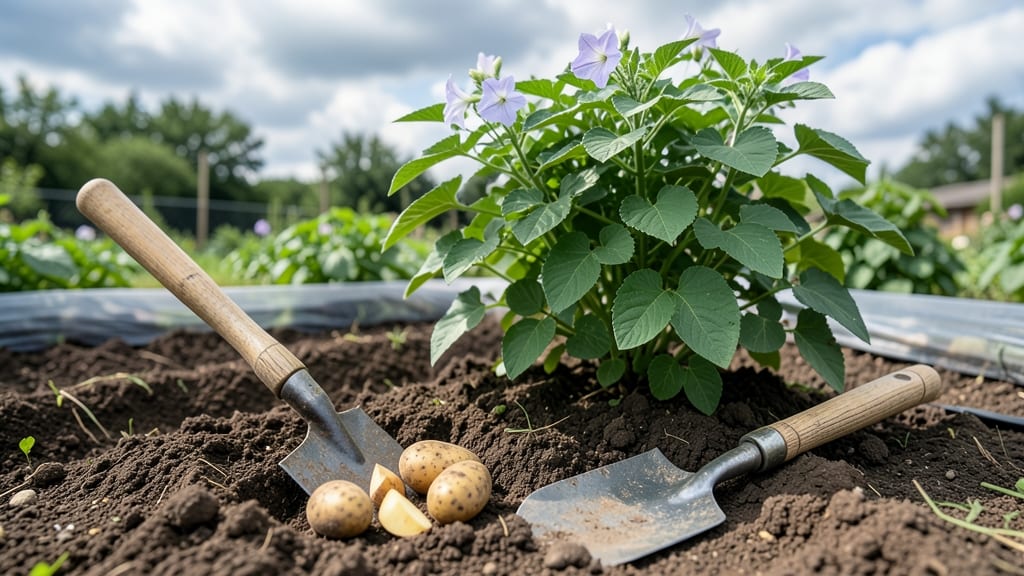
Timing when you plant potatoes in Pennsylvania can mean the difference between a bumper harvest and a sad, withered crop—especially when late frosts and unpredictable weather threaten your garden. With USDA zones 5b-7a and average last frost dates around April 15, knowing the exact window is critical for success.
Whether you're a seasoned gardener or just starting with your 🥔, getting the timing right ensures stronger tubers and fewer pests.
Most gardeners in PA plant potatoes between March and April, but the best approach depends on your specific zone and variety. Early varieties like 'Yukon Gold' can handle cooler soils, while late-season types need warmer temperatures to thrive.
The key is planting 2-4 weeks before your last frost date, when soil temperatures reach at least 45°F—a rule that often aligns with late March or early April.
Don’t let Pennsylvania’s infamous spring whiplash derail your plans. I’ll show you how to adjust for late frosts, choose the right varieties for your zone, and even use row covers to extend your growing season.
By the end, you’ll know exactly when to plant for maximum yield, whether you’re in Pittsburgh’s cooler zone 6b or Philadelphia’s milder 7a.
Ready to dig in? Let’s break down the best weeks to plant by zone, plus pro tips for soil prep and frost protection that’ll have your potatoes thriving like never before. No more guesswork—just a foolproof plan tailored to PA’s climate.
Best weeks to plant potatoes in Pennsylvania by USDA zone
Pennsylvania’s USDA zones 5b-7a create a unique challenge for potato growers—late frosts can delay planting, while warm spells might trick you into starting too early.
The ideal planting window is 2-4 weeks before your average last frost date, which typically falls between March 15 and April 15 across the state. However, soil temperature (not air temperature) is the real deciding factor.
Potatoes thrive when soil reaches 45°F (7°C)—cold soil stunts growth, while waiting for 50°F (10°C) ensures faster sprouting. In northern PA (zones 5b-6a), this often means waiting until late April, while southern PA (zones 6b-7a) can start as early as mid-March.
Always check Penn State Extension’s frost maps for your exact location.
For early-season varieties, aim to plant by April 1 in most regions. Mid-season varieties (like 'Kennebec') can wait until April 15, while late-season varieties (like 'Red Pontiac') might even tolerate a May planting if you’re in a warmer microclimate.
The key is harvesting before the first frost, which usually hits mid-October.
If you’re planting in containers, you can start 4-6 weeks earlier (by mid-February in warmer zones) because pots warm up faster. Just ensure they’re in a protected location (like a cold frame) until soil temps stabilize.
For in-ground planting, wait until the ground is workable—no more mud clinging to your shovel!
Another PA-specific trick is succession planting: plant a second batch in early May for a late-summer harvest. Choose fast-maturing varieties (like 'Early Girl') to avoid frost risks. Just be prepared to harvest before the first frost, which can sneak up earlier in northern regions.
For organic growers, focus on soil health—amend beds with compost or well-rotted manure in fall to warm up faster in spring. Avoid fresh manure, which can burn potato sprouts and delay harvest. Mulch with straw after planting to maintain even soil temps and suppress weeds.
Don’t forget about light requirements: potatoes need 6+ hours of full sun daily. In shady spots (common in wooded PA yards), growth slows dramatically, and tubers may develop green skin (toxic if eaten).
Test your garden’s sunlight with a sunlight tracker app or observe shadows at solar noon.
Finally, local microclimates matter. South-facing slopes warm up 1-2 weeks earlier than north-facing areas, while urban heat islands (like Philadelphia) can push planting back slightly. When in doubt, consult your county’s Penn State Extension office—they track real-time data and can save you from costly mistakes.
With the right timing, you’ll enjoy homegrown potatoes from June through August, beating grocery store prices and ensuring maximum flavor. Just remember: patience pays off—rushing leads to blight, while waiting too long cuts your harvest short. 🥔
Best weeks to plant potatoes in Pennsylvania by USDA zone
Pennsylvania's USDA zones 5b-7a create distinct planting windows for potatoes, where timing can make or break your harvest. The ideal soil temperature for planting is 45°F or warmer, typically aligning with late March to early April.
However, gardeners in cooler northern zones (5b-6a) should aim for mid-April, while those in warmer southern zones (6b-7a) can start as early as late March.
For zone 5b (e.g., Erie), the safest window is April 1-15—planting earlier risks frost damage to young sprouts. In zone 6a (e.g., State College), you can begin March 25-April 10, while zone 7a (e.g., Philadelphia) gardeners can start as early as March 15-30.
Always check your local last frost date using Penn State Extension's frost calculator for precision.
| USDA Zone | Best Planting Window | Soil Temp Requirement | Frost Risk |
|---|---|---|---|
| 5b (Erie, Scranton) | April 1-15 | 45°F+ | High (late frosts common) |
| 6a (State College, Harrisburg) | March 25-April 10 | 45°F+ | Moderate |
| 6b (Lancaster, Reading) | March 15-30 | 45°F+ | Low |
| 7a (Philadelphia, Pittsburgh suburbs) | March 1-15 | 45°F+ | Very Low |
Pro tip: Use black plastic mulch to warm soil faster in cooler zones. This can shave 1-2 weeks off planting time by raising soil temperatures by 5-10°F. For organic gardeners, straw mulch works too—just add it after sprouts emerge to retain warmth.
If you're planting late-season varieties like 'Kennebec,' wait until April 15-30 in most zones to avoid blight risks from prolonged wet springs.
Early varieties like 'Yukon Gold' can handle cooler soils, so they’re ideal for March planting in zones 6b-7a. Always chit your seed potatoes (sprout them indoors) 4-6 weeks before planting to jumpstart growth.
Remember: The 100-day rule applies—count back from your average first frost date (October 15) to determine your latest planting window. For example, if your variety takes 90 days to mature, plant by July 15 for a fall harvest.
This is called succession planting, and it’s a game-changer for extending your potato season in PA.
For extra peace of mind, plant test rows 2 weeks apart in April. This lets you monitor frost risks and adjust your full planting schedule accordingly. If the test row survives, you’ve found your safe planting window for the season. 🌱