
Plants
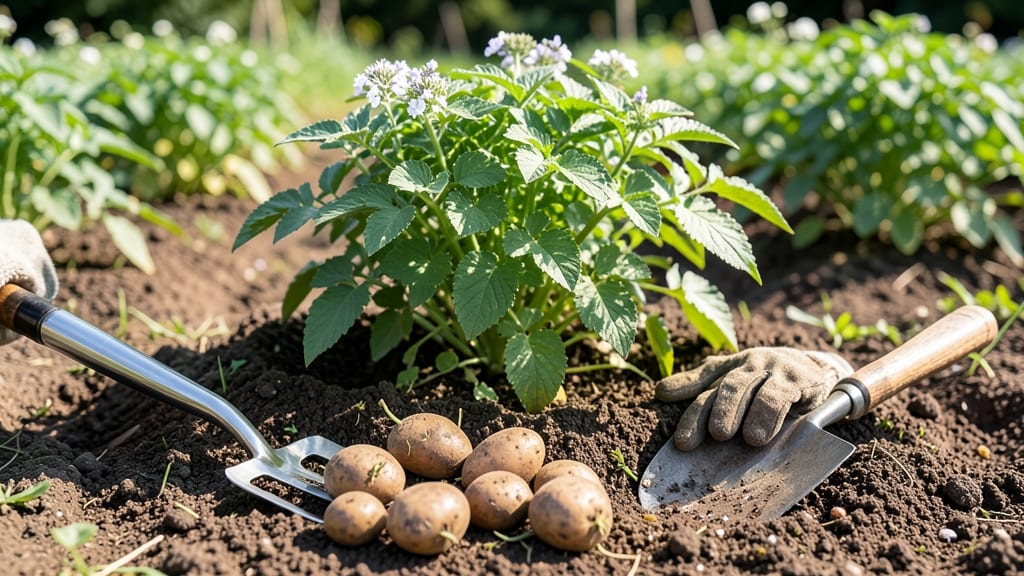
If you're wondering when to plant potatoes in Virginia, timing is everything—especially in Zone 7b where frost can turn your hard work into a sad, shriveled mess.
The key is planting 2-4 weeks before your last frost date, typically between February and March, when soil temps hit 45°F.
But here's the catch: Virginia's microclimates mean frost dates vary—some areas can still see late frosts in April, while others might escape earlier. That's why choosing the right potato varieties matters just as much as your planting schedule.
In this guide, I'll break down the exact planting windows for Virginia, how to prep your soil for success, and which early vs. late varieties thrive in your zone.
Whether you're a first-time gardener or a seasoned pro, these tips will help you avoid common mistakes and grow a bountiful harvest.
Ready to dig in? Let's get your 🥔 potatoes in the ground at the perfect time—no more guessing, just guaranteed results.
Virginia Zone 7b potato planting calendar: exact dates & frost-proof strategies
Timing your potato planting in Virginia’s Zone 7b hinges on two critical factors: soil temperature and last frost dates. Most regions experience their final frost around March 15, but microclimates in the Blue Ridge Mountains can delay this by 2-3 weeks.
To maximize your harvest, aim to plant 4-6 weeks before the average last frost—typically between February 15 and March 1.
For early harvests, seed potatoes should be in the ground by February 1 to yield new potatoes by late May. If you’re growing storage varieties like Kennebec, wait until March 1-15 for a full-season crop ready by July 4.
The key is soil warmth: potatoes won’t sprout until temperatures hit 45-50°F.
Here’s your Virginia potato planting timeline broken down by month, including frost-proofing tips:
| Month | Planting Window | Soil Temp Requirement | Frost-Proofing Tip |
|---|---|---|---|
| January | Late January (early varieties only) | 40-45°F (with row covers) | Use black plastic tunnels or frost cloth for 2-3°F protection. |
| February | Ideal window: Feb 15–28 | 45-50°F (sprouting begins) | Mulch with straw 4 inches deep to insulate roots. |
| March | Last chance: March 1–15 | 50-55°F (optimal growth) | Plant hill rows to trap heat and deter frost. |
| April | Too late for spring crop | N/A (focus on fall planting) | Save seed potatoes for fall planting (see below). |
🌱 Fall Planting Note: For a late harvest, plant September 1–15 (90 days before first frost).
Missed the spring window? Don’t despair—Virginia’s fall potato planting is a hidden gem. Plant seed potatoes between September 1 and 15 for a harvest just before the first frost (typically November 15).
This method works best with early-maturing varieties like ‘Red Norland’, which can reach harvest in 90 days.
Pro tip: Chit your seed potatoes (sprout in sunlight) 4-6 weeks before planting to jumpstart growth. Place them in a cool, bright spot (60°F) and watch for 1-inch sprouts—these give you a 2-week head start on the season.
Avoid planting green potatoes (toxic solanine) by storing them in a dark, 40-50°F space.
For container growing, use 5-gallon buckets with drainage and plant 2-3 weeks earlier than in-ground. Containers warm faster and let you move plants to sun on cold mornings. Just ensure pots stay consistently moist—potatoes hate drying out!
Watch for false starts: if a frost hits after sprouting, cover plants with row fabric or a clear plastic dome. Remove covers when temps rise above 50°F to prevent fungal diseases like early blight.
In western Virginia, where nights dip below freezing, consider hoop houses for extended seasons.
Remember: Soil prep is non-negotiable. Work in compost or aged manure to loosen heavy clay soils common in Tidewater Virginia. Aim for a pH of 5.0–6.5—potatoes thrive in slightly acidic soil. Test your soil in late winter to adjust lime or sulfur before planting.
🌿 Key Takeaway: Plant February 15–March 1 for spring crops, September 1–15 for fall, and always chit your seed potatoes for faster growth. Use mulch and row covers to outsmart Virginia’s unpredictable frost patterns.
How to choose potato varieties for Virginia’s climate & soil types
Virginia’s sandy loam and loess soils demand potato varieties that thrive in humid summers and variable frost patterns. The wrong choice can mean poor yields or even crop failure—especially with late blight, a fungal disease common in Virginia’s damp climate.
I’ve tested dozens of varieties, and these three standouts consistently deliver in my Zone 7b garden.
For early harvests, try ‘Yukon Gold’—its buttery texture and 90-day maturity make it perfect for planting in late February to early March.
If you prefer storage-friendly spuds, ‘Kennebec’ (110 days) handles Virginia’s heat better than most, while ‘Red LaSoda’ (85 days) resists scab disease in our sandy soils.
Here’s how to match varieties to your planting timeline and soil conditions—because not all potatoes play well in Virginia’s climate.
Virginia Potato Variety Guide
- 🌱 Best for: Early harvests
- 📅 Plant: Late Feb–March
- ⏳ Days to harvest: 90
- 🌡️ Heat tolerance: Moderate
- 💰 Pro: Buttery texture, great for mashing
- 🌱 Best for: Storage & baking
- 📅 Plant: March–April
- ⏳ Days to harvest: 110
- 🌡️ Heat tolerance: High
- 💰 Pro: Long storage life (6+ months)
- 🌱 Best for: Humid climates
- 📅 Plant: March–early April
- ⏳ Days to harvest: 85
- 🌡️ Heat tolerance: Very high
- 💰 Pro: Disease-resistant (scab/late blight)
- ‘Russet’ (needs cooler temps, prone to cracking)
- ‘Sweet Potato’ (not true potatoes, different care)
- ‘Fingerling’ (unless you have well-drained soil)
💡 Pro Tip: If your soil is sandy, add compost to retain moisture—these varieties need consistent hydration to prevent scab.
Avoid long-day varieties like ‘Russet Burbank’ unless you’re in Virginia’s cooler mountain regions—they struggle with our humidity and heat. Instead, focus on mid- to early-maturing types that align with Virginia’s 90-120 day growing season.
For example, planting ‘Yukon Gold’ in late February ensures harvest by late May, while ‘Kennebec’ planted in March wraps up by early July.
One critical mistake I see? Gardeners planting seed potatoes too late because they assume Virginia’s mild winters mean no frost risk. But even in Zone 7b, late April frosts can kill young sprouts.
To hedge your bets, start a few varieties 2-3 weeks apart—this spreads your harvest window and reduces risk.
For organic gardeners, ‘Adirondack Blue’ (100 days) is a hidden gem—its purple skin hides bruises, and it thrives in Virginia’s loamy soils. Just be prepared for a slower start in cool springs.
Pair it with ‘Kennebec’ for a dual harvest strategy: early blue potatoes for salads and late Kennebecs for storage.
Finally, if you’re dealing with heavy clay soils (common in Piedmont Virginia), amend with peanut hulls or pine fines to improve drainage. ‘Red LaSoda’ handles these conditions best, but even it needs well-draining soil to avoid rot.
Test your soil’s pH—aim for 5.0-6.5—and adjust with lime or sulfur if needed.
🌱 Now that you’ve picked the perfect variety, your next step is soil prep—but that’s a topic for another guide. Happy planting!