
Plants
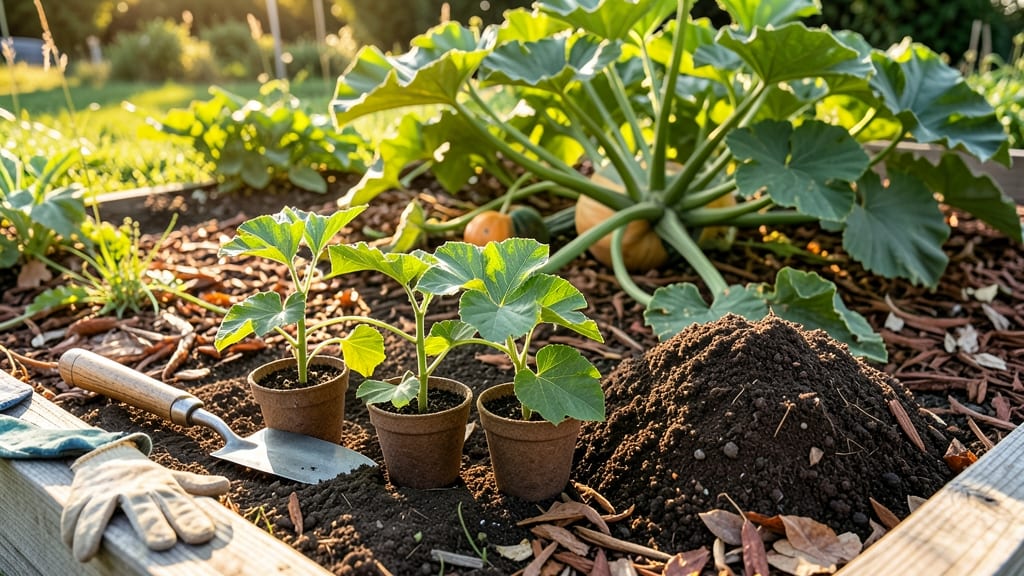
If you’ve ever wondered when to plant pumpkins in California, the answer isn’t one-size-fits-all—thanks to the state’s wild climate swings. Coastal areas like San Diego can start as early as February, while inland valleys like the Central Valley wait until March or April to avoid heat stress.
Get this timing wrong, and you might end up with wilted vines or stunted 🎃 instead of a bountiful harvest.
California’s 10a-10b zones complicate things further, with frost-free seasons stretching from 300+ days on the coast to just 250 days inland. That means your coastal neighbors might be harvesting by July, while Central Valley growers still have months to go.
The key? Planting after soil hits 60°F—whether you’re sowing seeds or transplanting seedlings.
But here’s the good news: with the right variety and a little local know-how, you can turn your California garden into a pumpkin patch.
I’ll break down the best planting windows by region, plus pro tips to avoid common mistakes—like crowding vines or ignoring soil prep—that can ruin your harvest before it even starts.
Ready to grow pumpkins that’ll make your neighbors green with envy? Let’s dive into the exact months, varieties, and tricks that work for your corner of California—no more guesswork, just big, beautiful 🎃 results.
California pumpkin planting calendar by microclimate zone
California’s microclimates create a puzzle for pumpkin growers—what works in coastal San Diego fails in Central Valley heat. The key? Planting when soil temps hit 60°F (15°C) and aligning with your region’s frost-free window.
Coastal areas can start earlier, while inland valleys need to wait for stable warmth. Let’s break it down by zone so you can time your harvest perfectly.
For Southern California (coastal), your planting window stretches from February to April. The San Diego and Los Angeles areas enjoy mild winters, but coastal fog can delay soil warming. Inland valleys like Riverside or Palm Springs shift later—March to May—thanks to hotter springs.
Meanwhile, Northern California (e.g., Sacramento Valley) waits until April to June to avoid late frosts.
🎃
| Zone | Planting Window | Soil Temp Goal | Harvest Window | Key Consideration |
|---|---|---|---|---|
| Coastal CA (San Diego, LA) | Feb–Apr | 60°F+ (15°C) | July–Sept | Fog delays warming; use black plastic mulch |
| Inland SoCal (Riverside, Palm Springs) | Mar–May | 65°F+ (18°C) | Aug–Oct | Hot summers; prioritize shade cloth for young plants |
| Central Valley (Sacramento, Fresno) | Apr–June | 60°F+ (15°C) | July–Oct | Late frosts possible; wait for stable warmth |
| Northern CA (Bay Area, Redding) | May–June | 60°F+ (15°C) | Aug–Oct | Cooler nights; choose fast-maturing varieties |
In coastal zones, the earliest planting (February) works for fast-maturing varieties like 'Jackpot' (75 days), but larger pumpkins (e.g., 'Howden') need June planting to avoid overheating. Use a soil thermometer—pumpkin seeds won’t germinate below 60°F (15°C).
In inland valleys, wait until April to dodge late-spring frosts, which can kill young vines.
For Northern California, May-June planting is safest. The Bay Area’s cooler summers mean longer growing seasons are risky—opt for 75-day varieties or start seeds indoors in March for a head start.
If you’re in high-desert areas (e.g., Mammoth Lakes), June planting gives you 3 months of warm days before fall chill sets in.
Pro tip: Black plastic mulch warms coastal soils 5–10°F faster, letting you plant 2–3 weeks earlier. In hot inland zones, shade cloth protects young plants from 100°F+ soil temps, which can scorch roots.
Always space vines 3–5 feet apart—overcrowding invites powdery mildew, a California pumpkin nemesis.
💧
Timing isn’t just about months—it’s about heat units. California’s USDA Zones 9b–10a mean no frost for most growers, but coastal fog or valley heatwaves can still throw off your schedule. Use local weather data (check UC Master Gardeners for your county) to pinpoint <
California pumpkin planting calendar by microclimate zone
California’s microclimates create a puzzle for pumpkin growers. Coastal areas like San Diego and Santa Barbara enjoy mild winters, while the Central Valley bakes under summer sun. Even within regions, elevation and proximity to the ocean shift your planting window by weeks.
The golden rule? Wait until soil hits 60°F (15°C)—cold soil stunts roots, and heat stress can fry seedlings before they sprout.
I’ve grown pumpkins across Southern California’s coastal fog belt and the Central Valley’s heat islands, and the difference is night-and-day. Coastal gardens can start as early as February, while inland valleys wait until March or April.
Northern California’s shorter growing season demands earlier starts, often by late February, to squeeze in a harvest before summer cools. Let’s break down the exact months for your zone.
🌱 Visual Guide: Planting Windows by California Region
Timing isn’t just about months—it’s about heat tolerance. Coastal pumpkins thrive in mild summers, while Central Valley varieties need heat-resistant strains like ‘Jackpot’ or ‘Cinderella’ to survive 100°F+ days. I’ve seen coastal growers rush planting in May only to watch vines collapse under unexpected heat—don’t make that mistake.
For seedlings vs. seeds, coastal gardeners often transplant 2–3 week old starts in March to beat the fog, while inland growers direct-sow seeds in April for stronger roots.
Pro tip: Soak seeds overnight before planting to jumpstart germination in cooler zones. And always harden off seedlings for 7–10 days before transplanting to avoid shock.
Harvest windows follow planting times closely. Coastal pumpkins often ripen by July–August, while Central Valley varieties may not be ready until September or October. Pay attention to vine dieback—when leaves yellow and stems dry, it’s time to harvest before pests move in.
Store pumpkins in a cool, dry place (50–55°F) to extend shelf life for Thanksgiving feasts.
🎃 Remember: Your local Cooperative Extension office has hyper-local frost data. Call ahead—sometimes a single valley can shift your planting window by 2–3 weeks.