
Plants
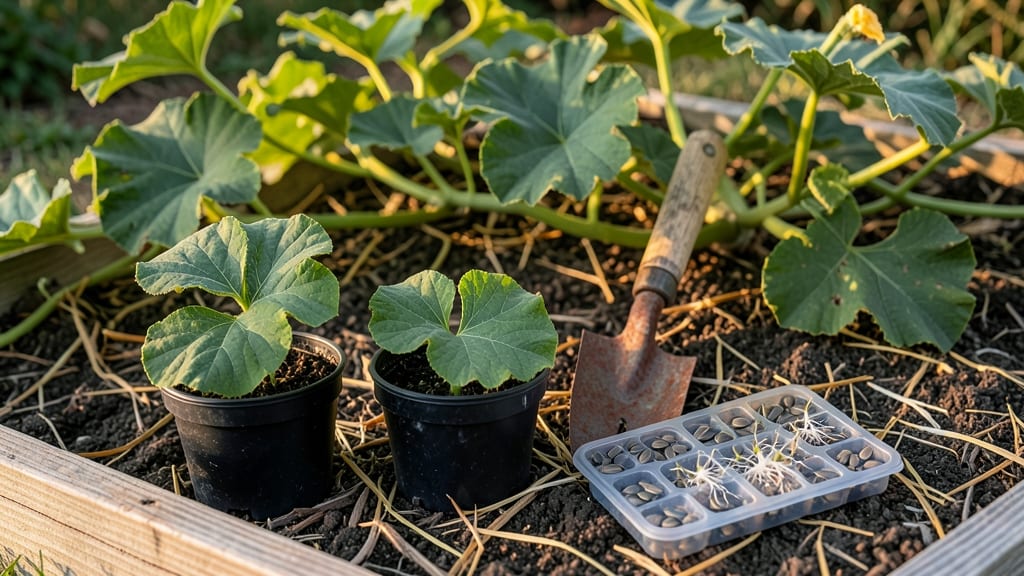
If you've ever wondered when to plant pumpkins in Kansas, timing is the secret ingredient to a bountiful harvest. The 🎃 season starts earlier than you think—mid-April to mid-May is your sweet spot—but getting it wrong means frost-zapped seedlings or vines struggling in summer heat.
Kansas gardeners face unique challenges with its 5b-6a climate, where last frost dates can vary by weeks. Plant too early, and a late freeze will wipe out your hard work; too late, and your pumpkins may never mature before the first frost in October.
The key is knowing your exact planting window based on local weather patterns.
This guide breaks down the perfect planting schedule for Kansas, from soil prep to variety selection. Whether you're growing small jack-o'-lanterns or giant showstoppers, we'll help you avoid common mistakes and maximize your harvest.
Ready to grow pumpkins that thrive from seed to stem? Let's dive into the frost-free window and variety-specific deadlines that work for Kansas gardens.
Kansas pumpkin planting deadlines: frost-free window by region
Kansas’s variable climate—from Zone 5b in the north to Zone 6a in the south—means your pumpkin planting window can shift by 2-3 weeks depending on where you live.
The last spring frost typically arrives between April 15 and May 1, but microclimates (like urban heat islands) can push this date earlier.
For Wichita and south-central Kansas, you might plant as early as mid-April, while Topeka and northeast Kansas may need to wait until late April.
To pinpoint your exact window, check the USDA Plant Hardiness Zone Map and use local weather tools like the National Weather Service or Old Farmer’s Almanac. These resources provide historical frost data for your county, helping you avoid late frost surprises.
For example, Kansas City averages its last frost on April 20, while Hays often sees frost-free conditions by April 10.
Here’s the critical rule: Plant pumpkin seeds 1-2 weeks after your area’s last frost date, once soil temperatures hit 60°F. Cold soil slows germination, and seedlings can rot if planted too soon. Use a soil thermometer to confirm—60°F is your minimum safe temperature for pumpkin seeds.
🌱
If you’re unsure about your local frost date, use the "50-Frost-Free Days Rule": Subtract 50 days from your first fall frost date (typically October 15) to estimate your last safe planting deadline.
For example, if your first frost is October 15, your latest planting date is August 25—but this only works for fast-maturing varieties (under 90 days to harvest).
For longer-season varieties (like ‘Cinderella’ or ‘Mammoth Melon’), aim to plant by May 15 to ensure they mature before first frost. These giants need 100+ days to reach harvest, so late planting is a recipe for disappointment.
Always check the seed packet for days to maturity and count backward from your expected frost date.
Kansas’s unpredictable weather means even the best-laid plans can go awry. Keep a row cover on hand to protect seedlings from late frosts or use black plastic mulch to warm the soil faster.
In dry years, prioritize soil moisture—pumpkin vines need 1–2 inches of water per week, especially during flowering and fruiting.
💧
Remember, pumpkins thrive on warmth, so don’t rush planting. Wait for consistent daytime temps above 70°F and nighttime temps above 55°F to give your plants the best start.
By following these region-specific guidelines, you’ll maximize your chances of a bountiful Kansas pumpkin harvest—just in time for fall festivals and jack-o’-lanterns!
Best pumpkin varieties for Kansas: planting times by maturity speed
Choosing the right pumpkin variety for Kansas means balancing maturity speed with your local frost dates. Fast-maturing types (under 90 days) are your safest bet in Zone 5b-6a, while longer-season varieties need early starts or protective measures. Let’s match your planting window to the perfect pumpkin for your garden.
Kansas’s 165 frost-free days limit your options—skip slow growers like ‘Big Max’ unless you’re willing to risk frost damage. Instead, opt for varieties that thrive in 80-100 days, like ‘Jackpot’ or ‘Howden,’ which are bred for reliability in shorter seasons.
Even then, plant these by mid-May to ensure harvest before October’s first frost.
🎃
| Variety | Days to Maturity | Best Planting Window | Kansas Notes |
|---|---|---|---|
| Jackpot | 80-85 days | Mid-April to early May | Dwarf variety; ideal for containers or small spaces. |
| Howden | 90-95 days | Late April to mid-May | Disease-resistant; great for Kansas’s humid summers. |
| Cinderella | 100-110 days | Early April (start indoors) | Giant variety; needs early start and row covers. |
| Small Sugar | 75-80 days | Late April to early June | Fastest option; perfect for late starts or succession planting. |
For small-space gardens, ‘Jackpot’ is my top pick—its compact vines fit even balcony containers while delivering 10-12 lb pumpkins. If you’re aiming for carving-quality gourds, ‘Howden’ strikes the balance between speed and size, with 8-10 lb fruits and disease resistance that’s critical in Kansas’s humid summers.
Pro tip: Adjust your planting date by 2 weeks earlier if you’re growing long-season varieties like ‘Cinderella.’ Start these indoors in early April and transplant after the last frost. Use black plastic mulch to warm soil faster and give these giants a head start.
🌱