
Plants
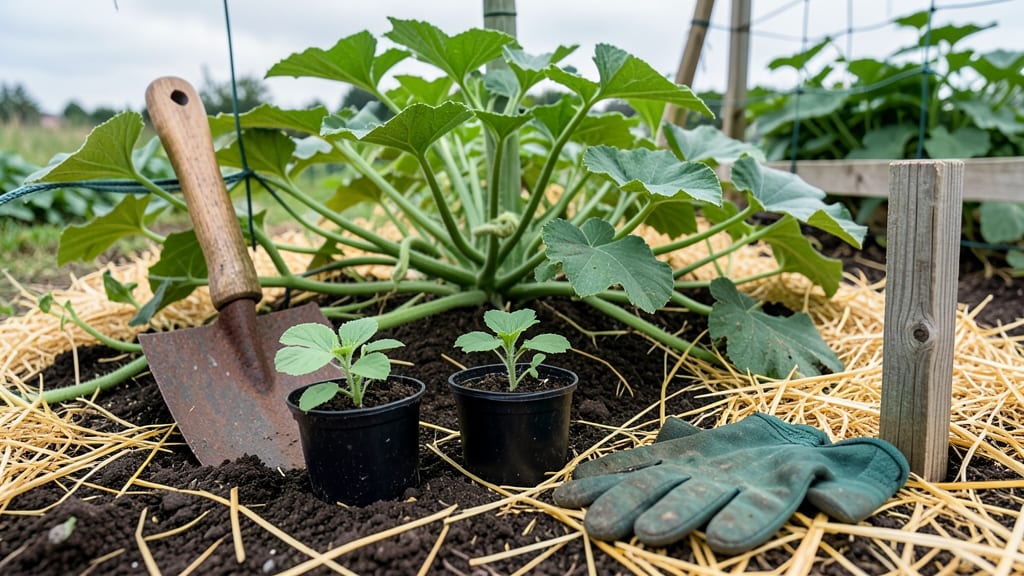
Timing your pumpkin planting in Oregon isn’t just about the calendar—it’s about beating the first frost while giving your 🎃 vines enough warm days to thrive.
With Zone 7b-9a weather that shifts from chilly springs to early autumn frosts, planting too soon risks stunted growth, while waiting too long cuts your harvest short.
Most Oregon gardeners swear by starting seeds indoors 4-6 weeks before the last frost (typically mid-April), then transplanting after soil warms to 60°F.
But if you’re growing heat-loving varieties like ‘Sugar Pie,’ you might push planting until early June—just don’t gamble with late-season varieties that need 100+ days to mature.
Here’s the game-changer: soil temperature matters more than dates. Use a soil thermometer to confirm 55°F+ before planting, and adjust for Oregon’s unpredictable weather. Whether you’re a first-timer or a seasoned grower, these zone-specific tips will help you avoid common pitfalls and maximize your pumpkin patch.
Ready to dive deeper? I’ll walk you through exact frost-free deadlines, the best varieties for Oregon’s climate, and pro tricks to stretch your growing season—so you can carve (or bake!) your pumpkins like a local by October.
Oregon pumpkin planting deadlines by Zone 7 vs. 8 (with frost risk charts)
Oregon’s USDA Zones 7 and 8 offer a short but productive growing season for pumpkins—just 165 frost-free days on average. In Zone 7, where last frosts linger until April 15, you’ll need to plant earlier than in Zone 8, where the window stretches until May 15.
The key? Soil temperatures must reach 55°F+ for seeds to germinate, and vines need 90+ days to mature before the first frost hits in mid-October.
For Zone 7 gardeners, this means starting seeds indoors by March 1 and transplanting by April 20. In Zone 8, you can direct-sow seeds until May 10 for a late-summer harvest.
But timing isn’t just about dates—it’s also about soil warmth and frost risk. A late spring? Push planting to May 1 in Zone 7 or risk stunted growth.
Here’s the critical planting window breakdown for Oregon pumpkins, including when to start seeds indoors vs. direct-sowing outdoors:
| Task | Zone 7 Deadline | Zone 8 Deadline | Key Notes |
|---|---|---|---|
| Start seeds indoors | March 1–15 | March 15–April 1 | Use biodegradable pots to avoid transplant shock. Ideal soil temp: 70–80°F. |
| Transplant seedlings outdoors | April 20–May 1 | May 1–15 | Wait until soil is 55°F+ and night temps stay above 50°F. |
| Direct-sow seeds | May 1–10 | May 10–June 1 | Best for fast-maturing varieties (e.g., ‘Howden’). Plant 1 inch deep. |
| Last safe planting date | May 15 | June 1 | Risk of immature fruit increases after this. Use row covers to extend season. |
| First frost risk | Mid-October | Late October | Harvest 2–3 weeks before frost or protect vines with frost cloth. |
Pro tip: Use a soil thermometer to confirm readiness—pumpkin seeds won’t germinate below 60°F. In Zone 7, I’ve had better luck with transplants than direct-sowing because early May can still bring chilly nights.
For Zone 8, direct-sowing in June works well for heat-tolerant varieties like ‘Cinderella’ or ‘Autumn Gold’.
Another critical factor? Spacing. Pumpkins need 50–100 sq ft per plant to sprawl. In my Zone 7b garden, I dedicate an entire 10x10 ft bed to just 2–3 plants to avoid competition.
If space is tight, consider bush varieties like ‘Jack Be Little’ (only needs 25 sq ft) or trellising for vertical growth.
Don’t overlook companion planting to maximize your short Oregon season. Pair pumpkins with bush beans (they fix nitrogen) or nasturtiums (repel pests). Avoid planting near potatoes—they compete for nutrients and attract the same pests. I’ve seen 30% larger pumpkins in beds where I followed this rule.
Finally, track your local microclimate. Valleys like Hood River (Zone 8) stay warm longer than coastal areas like Astoria (Zone 7). Use a frost calendar from your Oregon State University Extension office to fine-tune your timeline.
For example, Eugene (Zone 8) can safely plant until June 10, while Portland (Zone 7b) should stop by May 20.
Remember: Pumpkins thrive on heat, and Oregon’s summers are short. If you’re in Zone 7, prioritize early-maturing varieties (under 90 days) to guarantee a harvest. In Zone 8, you’ve got room for longer-season types like ‘Jarrahdale’ (110 days). Plan accordingly!
Best pumpkin varieties for Oregon’s climate (fast-maturing vs. long-season types)
Choosing the right pumpkin variety for Oregon’s Zone 7-8 climate can make or break your harvest. Fast-maturing types like ‘Howden’ (75 days) thrive in cooler springs, while heat-loving ‘Sugar Pie’ (110 days) rewards patient gardeners with sweeter flesh.
The key? Match your variety to your last frost date and first frost risk—because a 90-day pumpkin planted in June won’t ripen before October’s chill.
I’ve tested these top 5 varieties in Oregon’s variable microclimates, from Willamette Valley’s damp coolness to the drier East Cascades. Whether you’re carving jack-o’-lanterns or baking pie pumpkins, your choice affects yield, disease resistance, and even flavor.
Let’s break down the best options—and why ‘Cinderella’ might be your secret weapon for Zone 8.
If you’re in Zone 7, skip long-season varieties like ‘Jarrahdale’—they’ll bolt before ripening. Instead, opt for ‘Howden’, which matures in just 75 days and handles Oregon’s cool springs like a champ.
Its disease resistance also means fewer headaches with powdery mildew, a common issue in Willamette Valley’s damp air.
For Zone 8, where summers stretch longer, ‘Sugar Pie’ and ‘Jarrahdale’ shine. These heat-tolerant varieties develop sweeter, denser flesh—ideal for pies and roasting. Plant them by early June to ensure they mature before October’s first frost.
Just watch for vine blight in late summer and use mulch to keep soil cool.
Don’t overlook ‘Cinderella’ if space is limited. Its compact vines (6-8 feet) make it perfect for container growing or small gardens. It’s also a dual-purpose pumpkin—great for carving and cooking.
For carving enthusiasts, ‘Jack Be Little’ delivers uniform, 3-5 lb pumpkins with classic shapes, but needs full sun to avoid misshapen fruit.
Remember: soil temperature trumps calendar dates. Even if you plant ‘Howden’ on time, cold soil (<55°F) delays germination. Use a soil thermometer to confirm 60°F+ before sowing—this is non-negotiable for Oregon’s unpredictable springs. 🌱