
Plants
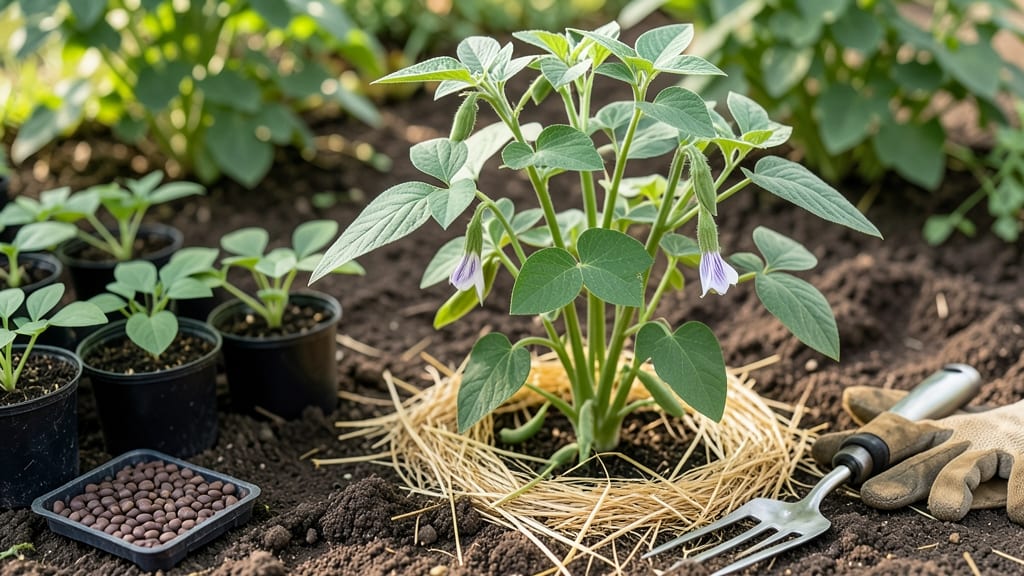
Knowing when to plant bush beans in Florida is the first step to a thriving garden—because timing can make or break your harvest in the Sunshine State’s unpredictable climate. Since Florida’s frost-free weather lets you grow these fast-maturing veggies year-round, knowing the ideal windows—like early spring and late summer—is the key to avoiding wilting plants and pest problems.
Most gardeners in USDA zones 9a-11 swear by planting between January and March for spring harvests, or again in August and September to beat the worst summer heat. But with Florida’s frost-free weather, you’ve got flexibility—just avoid those scorching mid-summer months when germination drops.
I’ll break down the exact months that work best for your region, plus heat-resistant varieties that thrive when others fail. Whether you’re in North or South Florida, these tips will help you time your plantings for peak yields without the guesswork.
Ready to turn your garden into a bean bonanza? Let’s dive into the perfect planting schedule tailored just for Florida’s climate.
Optimal planting months for bush beans in Florida’s climate zones
Florida’s unique climate—warm winters, long summers, and high humidity—means you can grow bush beans almost year-round, but timing is everything to avoid heat stress and pests.
Unlike northern states, Florida doesn’t have frost dates to guide you, so I’ll break down the best planting windows by region to maximize your harvest. Whether you’re in North Florida’s cooler hills or South Florida’s tropical heat, these schedules will help you succeed.
Bush beans thrive when soil temperatures stay between 60°F and 85°F. Planting during Florida’s spring and fall gives you the best balance of warmth and moisture. Summer’s intense heat can stunt growth, while winter’s cooler temps slow germination.
Let’s dive into the exact months to plant for each Florida region to ensure your beans grow strong and productive.
🌱 Key Insight: Florida’s USDA Zones 9a-11 mean no frost risk, but heat and humidity are your biggest challenges. Avoid planting during peak summer months (June-August) unless you’re using shade cloth or heat-tolerant varieties.
For North Florida, aim to plant bush beans in late summer (August) or early spring (March). The soil stays warm enough for germination but isn’t scorching. In Central Florida, stretch your planting to February and September to avoid the brutal midday heat of May–July.
Meanwhile, South Florida gardeners can plant in July–August with shade cloth or opt for winter plantings (January–February) when humidity drops.
If you’re eager for a year-round harvest, try succession planting every 2–3 weeks during the ideal months. This keeps your garden producing beans without overwhelming you with care.
For example, in Central Florida, plant a batch in February, another in September, and you’ll have beans ready to pick for 6 months straight.
One common mistake? Planting too late in spring. By May, Florida’s heat can cause seeds to rot before sprouting. To test soil readiness, stick your finger 2 inches deep—if it’s warmer than 85°F, wait a few weeks.
A simple soil thermometer (under $10) takes the guesswork out of timing.
For container gardening, adjust your schedule slightly. Pots heat up faster than garden beds, so plant 1–2 weeks earlier in spring and 1–2 weeks later in fall to match soil temps.
Use black plastic mulch to warm soil faster in cooler months or straw mulch to keep roots cool in summer.
Remember, harvest time is 60–75 days after planting. If you’re aiming for a Thanksgiving harvest, plant in September (North Florida) or August (South Florida). For a Fourth of July feast, plant in March (Central Florida) or February (South Florida).
With these region-specific schedules, you’ll avoid the pitfalls of Florida’s climate and enjoy a bountiful, stress-free bush bean harvest all year. Next, we’ll cover the best heat-resistant varieties to pair with your planting plan. 🌱
Optimal planting months for bush beans in Florida’s climate zones
Florida’s climate isn’t one-size-fits-all—North Florida’s cooler winters and Central/South Florida’s year-round warmth demand different planting strategies for bush beans. Timing is everything: Plant too early, and you’ll face fungal diseases; too late, and heat stress stunts growth. The key is cool-season planting when soil temps stay below 85°F.
In North Florida (USDA Zones 8a-9a), your best windows are January through March for spring harvests and September through November for fall yields. These months offer mild temperatures and lower humidity, reducing disease risks.
For Central Florida (Zone 9b), expand your spring window to February-April and fall to August-October.
South Florida (Zones 10a-11) gardeners have the luxury of year-round planting, but focus on winter (November-February) and early summer (June-July) to avoid peak heat. Even here, avoid May-August—soil temps often exceed 90°F, causing poor germination and blossom drop.
| Region | Best Planting Months | Soil Temp Goal | Avoid |
|---|---|---|---|
| North Florida (Zones 8a-9a) | Jan-Mar, Sep-Nov | 60-80°F | Apr-Aug (heat stress) |
| Central Florida (Zone 9b) | Feb-Apr, Aug-Oct | 65-82°F | May-Jul (peak heat) |
| South Florida (Zones 10a-11) | Nov-Feb, Jun-Jul | 70-85°F | Mar-May (humidity + heat) |
For successful germination, test soil temps with a soil thermometer—aim for 60-85°F. In North Florida, January plantings often yield harvests by April-May, while South Florida’s November crops mature by February. Succession planting every 2-3 weeks ensures continuous harvests.
Pro tip: Use black plastic mulch in summer to warm soil for late-season plantings, or shade cloth in peak heat to protect seedlings. Morning watering (before 9 AM) prevents fungal diseases like rust, a common issue in Florida’s humid summers.
Remember, Florida’s lack of frost means you can experiment with winter harvests—just choose cold-tolerant varieties like ‘Kentucky Wonder’ for cooler months. With the right timing, you’ll enjoy beans from January to November!