
Plants
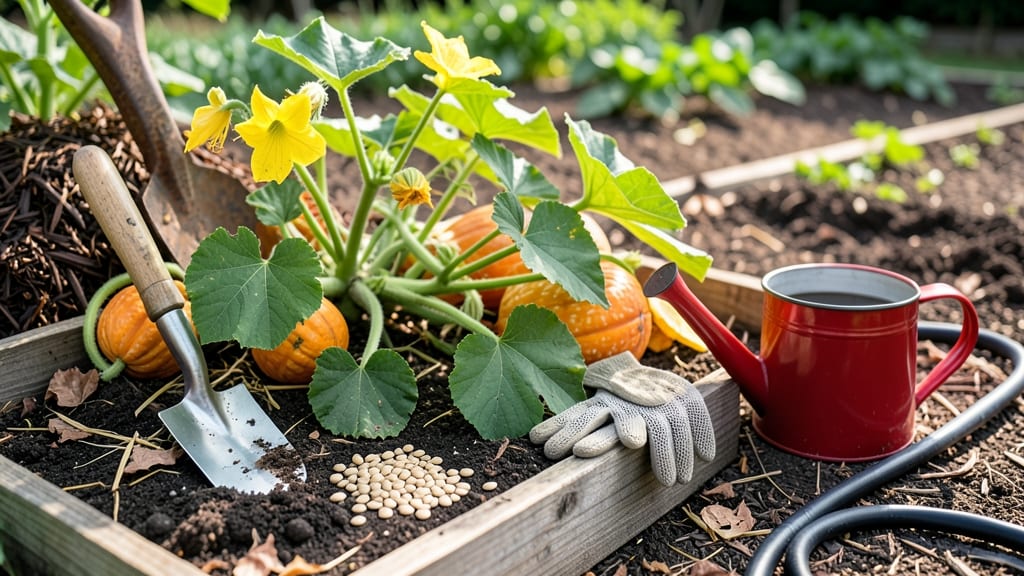
Planting your pumpkins 🎃 at the right time in Washington State isn’t just about following a calendar—it’s about beating frost, warming soil, and giving those vines the perfect head start.
The window between mid-April and early June might seem broad, but timing can make the difference between a thriving harvest and a sad, wilted vine.
Here’s the kicker: your last frost date isn’t the only factor. Soil temperature matters just as much—pumpkins need that ground to hit at least 60°F before seeds go in.
In Spokane’s Zone 6b, that might mean waiting until late May, while the Yakima Valley’s warmer Zone 7b-8a could be ready by early April.
I’ve seen gardeners in Western Washington rush planting only to watch their pumpkins wither when a late frost sneaks in. The key is knowing your microclimate—whether you’re in the Puget Sound’s cooler coastal air or the desert-like heat of Eastern Washington.
Let me walk you through the exact steps to time your planting for strong, healthy vines—plus the best varieties that thrive in Washington’s short but sweet growing season. Your pumpkin patch starts here.
Washington pumpkin planting dates by region: frost-free timelines for healthy growth
Washington State’s diverse climate creates distinct planting zones for pumpkins, with last frost dates varying by 100+ miles. In the Yakima Valley, warm desert air allows early mid-April planting, while Puget Sound gardeners must wait until late May to avoid late spring frosts.
Understanding these regional timelines ensures your pumpkins thrive from seed to harvest.
Pumpkins need 90-120 frost-free days to mature, so timing is critical. Most Washington regions have 165-180 frost-free days, but high-altitude areas like Mount Rainier foothills may only have 140 days. This means choosing fast-maturing varieties or adjusting planting dates is often necessary for success.
Here’s a breakdown of optimal planting windows by region, including soil temperature requirements and transplant timing for strong vines:
| Region | Last Frost Date | Planting Window | Soil Temp Requirement | Transplant Timing |
|---|---|---|---|---|
| Western WA (Puget Sound) | Late April | Late May - Early June | 60°F+ (15°C+) | After June 1 |
| Eastern WA (Spokane) | Mid-April | Mid-April - Late May | 60°F+ (15°C+) | After May 15 |
| Columbia Basin (Yakima) | Early April | Mid-April - Early May | 55°F+ (13°C+) | After April 20 |
| Tri-Cities (Kennewick) | Late March | Early April - Mid-May | 58°F+ (14°C+) | After April 30 |
| High Altitude (Mount Rainier) | Late May | Late June - Early July | 65°F+ (18°C+) | After July 1 |
For direct sowing, plant seeds 1 inch deep and 2-3 feet apart in hills. In cooler regions like Puget Sound, start seeds indoors 3-4 weeks before the last frost date to give seedlings a head start. Use biodegradable pots to avoid transplant shock when moving outdoors.
Soil temperature is critical—pumpkins won’t germinate below 60°F (15°C). Use a soil thermometer to monitor conditions. In sandy soils, like those in Eastern WA, water deeply after planting to help seeds establish.
In clay-heavy soils, like those in Western WA, amend with compost to improve drainage.
In urban gardens or small spaces, consider bush varieties like ‘Jack Be Little’, which mature in 75-80 days. These work well in containers 5+ gallons and can be planted as late as early June in Puget Sound while still producing a harvest before frost.
Remember, late planted pumpkins may not fully mature before frost. If you’re in a short-season area, opt for smaller varieties or use row covers to extend the growing season by 2-3 weeks.
This is especially useful in high-altitude zones like Mount Rainier, where the growing season is compressed.
For maximum yield, choose 1-2 healthy vines per plant and remove weaker ones. This ensures the remaining vines get enough nutrients and sunlight to produce large, healthy fruits. In Eastern WA’s hotter climate, provide afternoon shade to prevent fruit scorch.
Finally, mark your planting dates on a calendar and set reminders for fertilizing (every 4-6 weeks) and watering (deep soaks 1-2 inches per week). With the right timing, your Washington-grown pumpkins will be ready for harvest by late September, perfect for carving or baking.
How to adjust pumpkin planting for Washington’s microclimates and soil conditions
Washington’s microclimates can throw off even the best-laid pumpkin planting plans. For example, Seattle’s coastal fog keeps soil cooler longer than the dry heat of Moses Lake.
If you’re in a high-altitude garden (like Mount Rainier’s foothills), aim for late May planting—soil warms slower at elevations above 2,000 feet.
Urban gardeners in Seattle or Bellevue face another challenge: compacted clay soil. Amend beds with compost and sand to improve drainage—pumpkins hate soggy roots. Test your soil’s pH too; aim for 6.0–6.8.
If it’s off, add lime (to raise pH) or sulfur (to lower it) 2–3 weeks before planting.
🌱
Warning: Black Plastic Mulch Pitfalls
While black plastic mulch warms soil faster, it can overheat roots in Eastern WA’s 100°F+ summers. Use it only in cooler zones (Zone 6-7) and remove it by mid-July to prevent stress. In Zone 8 (Yakima Valley), opt for straw mulch instead.
For sandy soils (common in Eastern WA), mix in peat moss or coconut coir to retain moisture. Water deeply 2–3 times per week until vines establish roots.
If your garden sits in a frost pocket (like the San Juan Islands), use row covers until late May to shield seedlings from late frosts.
Ever notice how pumpkins in Western WA grow slower than those in Eastern WA? That’s the Pacific Northwest’s marine influence at work. To compensate, start seeds indoors 2–3 weeks earlier in Zone 7-8 and transplant hardened-off seedlings after May 15.
In Zone 6 (Spokane), wait until June 1—rushing it risks blossom-end rot from cool nights.
Pro tip: If your garden soil stays cold past May 30, try warm-season crops like zucchini in the same bed first—their fast growth will heat the soil naturally. Then transplant pumpkins into those warmed beds by mid-June. This trick works especially well in Puget Sound’s cooler microclimates.
Finally, container gardeners in urban WA need to act fast. Pumpkins in pots dry out 3x faster than in-ground plants. Use 5-gallon containers with self-watering reservoirs and place them on sunny patios or rooftops.
Monitor soil temp with a soil thermometer—if it’s below 65°F, delay planting until it warms.