
Plants
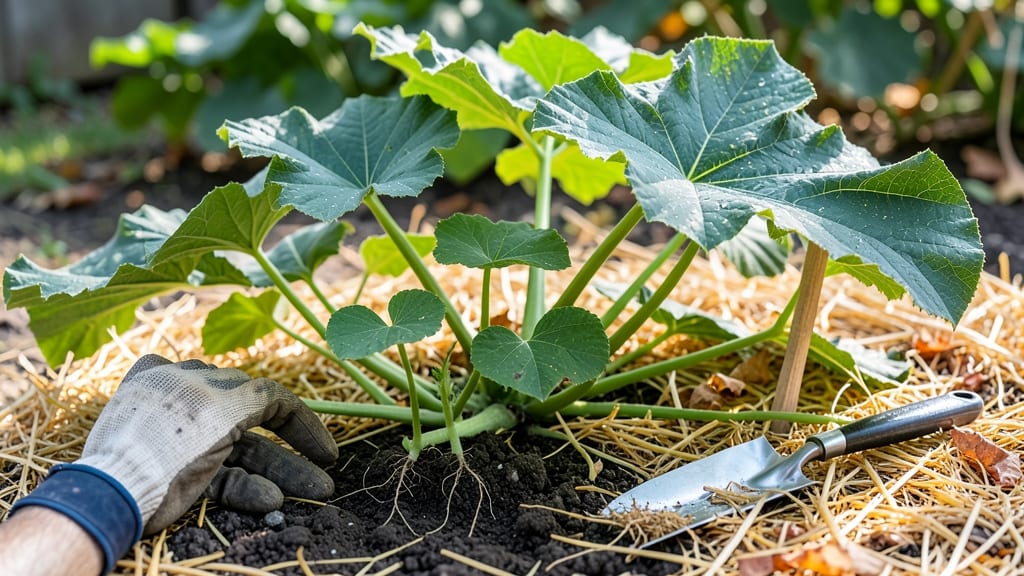
If you’ve ever wondered when to plant squash in Texas, the answer isn’t as simple as “spring”—it’s a high-stakes game of timing between frost and scorching summer heat.
In USDA Zones 8a-10b, where winters are mild but summers can hit 100°F+, squash thrives in two distinct windows: spring (when soil warms to 60°F) and fall (to beat early frost). Miss these windows, and your 🎃 crop could face wilting vines or stunted growth.
North Texas gardeners in cities like Dallas or Fort Worth face earlier frost risks, so they often start seeds indoors by mid-March and transplant after April 15.
Meanwhile, South Texas growers in Houston or San Antonio can plant directly in the ground as early as February—but only if nighttime temps stay above 55°F. The key?
Match your variety to your microclimate: heat-tolerant types like ‘Straightneck’ or ‘Butternut’ outperform in Zone 10b, while bush varieties work better in cooler Zone 8a.
Here’s the game-changer: succession planting. By staggering seeds every 2-3 weeks through June, you can harvest squash from late summer straight into fall.
And don’t overlook shade strategies—row covers or afternoon shade cloth can save your plants during July’s brutal heat, extending your harvest window by weeks.
Ready to turn your Texas garden into a squash powerhouse? I’ll walk you through the exact planting calendar, top varieties for your region, and pro tips to beat the heat—so you’re harvesting 🎃 instead of wilting vines. Let’s get growing!
Best planting months for squash in Texas by region (north vs. south)
Texas’s diverse climate means North Texas (like Dallas) and South Texas (like Houston) have wildly different planting windows for squash. In North Texas, where last frosts hit around February 15, you’ll want to wait until mid-March to plant seeds directly in the ground.
Meanwhile, South Texas, with its milder winters, can start as early as late January—but only if you’re using black plastic mulch to warm the soil.
For both regions, fall planting is equally critical. North Texas gardeners should plant late July to early September, while South Texas can extend this window until mid-October.
The key is avoiding first frosts, which can strike as early as November 15 in South Texas or December 1 in North Texas.
Here’s how to align your planting with Texas’s unique microclimates:
| Region | Spring Planting Window | Fall Planting Window | Soil Temp Requirement | Key Variety Tip |
|---|---|---|---|---|
| North Texas (Dallas/Fort Worth) | Mid-March to early April | Late July to early September | 60°F+ (use row covers if cooler) | Choose early-maturing zucchini like 'Eight Ball' |
| Central Texas (Austin) | Late February to mid-April | Early August to mid-October | 65°F+ (warmer soil = faster germination) | Opt for heat-tolerant butternut like 'Waltham Butternut' |
| South Texas (Houston/San Antonio) | Late January to early March | Mid-August to mid-October | 70°F+ (ideal for tropical varieties) | Try drought-resistant 'Cocozelle' zucchini |
If you’re in urban areas like Austin or Dallas, microclimates can shift planting by 1-2 weeks. For example, a south-facing garden warms up faster than a north-facing yard. Use a soil thermometer to confirm 60°F+ soil temps before planting—cold soil slows germination and invites fungal diseases.
For container growing, start seeds indoors 4-6 weeks before your region’s last frost date. Use 5-gallon pots with well-draining mix and place them in a south-facing spot once outdoor temps stabilize. Containers dry out faster, so water daily in summer.
Pro tip: Stagger your plantings every 2 weeks in spring and fall to ensure a continuous harvest. This works especially well for bush varieties like 'Straightneck' yellow squash, which mature faster than vining types.
Watch for cucumber beetles in early summer—they love squash seedlings. Apply row covers or use neem oil as a preventive measure. In South Texas, aphids can become a problem in fall, so monitor undersides of leaves regularly.
Remember: Texas heat is unforgiving after June 1. If you plant too late, your squash vines may bolt to seed before producing edible fruit. Prioritize shade cloth (30-50%) for summer plantings to protect young plants from 100°F+ temps.
🌱
Best planting months for squash in Texas by region (north vs. south)
Texas’s diverse climate zones mean your squash planting window depends on whether you’re in North Texas (Zone 8a), Central Texas (Zone 9a), or South Texas (Zone 10b).
In North Texas, where last frosts can linger until mid-April, start seeds indoors by mid-March and transplant after April 15. South Texas growers, meanwhile, can plant directly in February—but only if nighttime temps stay above 55°F.
The real secret? Two planting seasons: spring (when soil warms to 60°F) and fall (to beat early frost). In Zone 10b, you can even grow squash year-round with shade protection.
But timing is critical—plant too early, and frost will kill seedlings; too late, and summer heat will scorch vines before they produce.
Here’s the comparison table breaking down exact months by region, including soil temperature and frost risk:
For North Texas, the last frost date is your deadline—wait until April 15 to transplant outdoors.
In Central Texas, you can push planting to early April, but watch for 90°F+ heat by June, which stresses squash vines. South Texas gardeners have the longest window, but hurricane risks in late summer mean prioritizing fall planting by July 30.
Pro tip: Use a soil thermometer to confirm 60°F+ soil temps before planting. Cold soil slows germination, and squash seeds won’t sprout below 55°F. If your soil is too cool, wait 1-2 weeks—your harvest is worth it!
Now that you’ve got your planting calendar, let’s talk heat-tolerant varieties that’ll thrive in Texas’s brutal summers—next, I’ll share my top 5 squash picks for your region’s climate. 🌱