
Plants
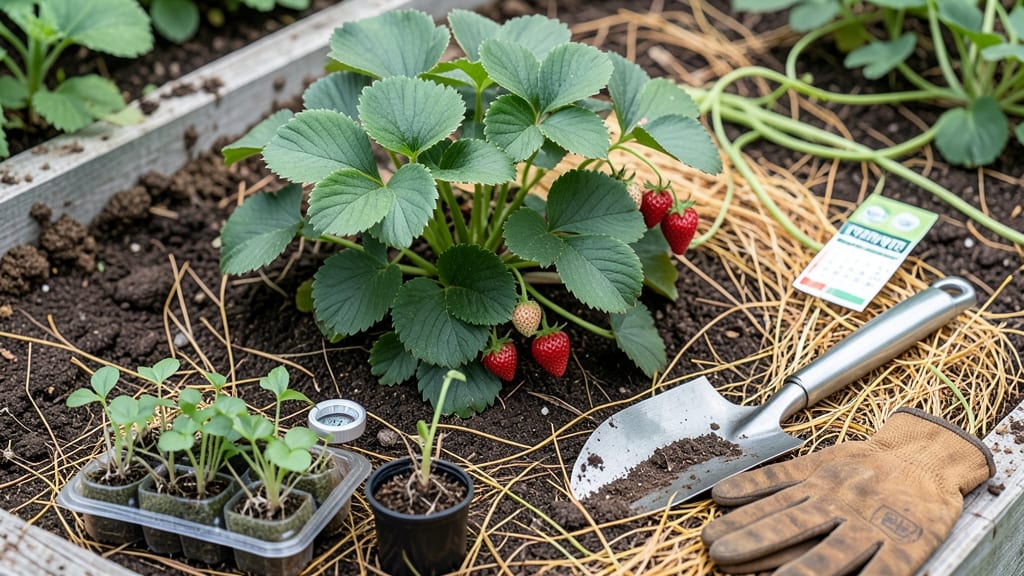
Planting strawberries in Kentucky at the wrong time could mean the difference between a juicy summer harvest and a sad, frost-nipped failure.
The perfect window for your 🍓 patch depends on whether you're in the Bluegrass Region or the Western Coal Fields—but here's the golden rule: aim for early spring (March-April) or early fall (September-October).
Why? Kentucky's Zone 6a-7a climate means late frosts can linger until mid-March, while fall plantings need time to establish roots before winter sets in. I've tested both methods, and fall planting often gives gardeners an edge—especially for everbearing varieties that reward patience with continuous harvests.
But timing isn't everything—soil prep matters just as much. Kentucky's heavy clay soils (especially in Western KY) need amending with compost to improve drainage. And whether you choose bare-root plants, potted varieties, or runners, each option has its own ideal planting window to maximize your berry bounty.
Let me show you exactly how to align your planting schedule with Kentucky's frost dates, soil conditions, and variety preferences—so you can enjoy homegrown strawberries from late spring through summer. The secret to success starts with knowing when to put those plants in the ground.
Best planting months for strawberries in Kentucky (Zone 6-7) for maximum yield
Kentucky’s Zone 6-7 climate offers two ideal windows for planting strawberries: early spring and early fall. Most gardeners in the Bluegrass Region and Western Coal Fields achieve the best results by sticking to these timelines, which align with soil temperatures and frost patterns.
For spring planting, aim for March to early April, while fall planting should occur between September and mid-October to allow roots to establish before winter.
The key is planting when soil temperatures reach 40-50°F (4-10°C)—this ensures roots grow actively without risking frost damage. In Kentucky, the last average frost date varies slightly: March 15 in Louisville and March 22 in Lexington.
Planting 4-6 weeks before these dates gives your strawberries a head start. Fall plantings, however, must avoid the first frost, typically around November 15, to prevent winter dieback.
Here’s why timing matters so much: Strawberries planted too early in spring may face late frosts, while fall plantings that happen too close to winter can leave plants vulnerable to root rot or freeze damage.
Kentucky’s humidity also means disease pressure is higher, so establishing strong roots early is critical for a productive harvest.
🌱
| Planting Window | Soil Temp Threshold | Frost Risk | Best For | Plant Type |
|---|---|---|---|---|
| Early Spring (March-April) | 40-50°F (4-10°C) | Low (post-last frost) | June-bearing varieties | Bare-root or potted |
| Early Fall (September-October) | 50-60°F (10-15°C) | Moderate (avoid Nov frost) | Everbearing/day-neutral | Potted or runner plants |
| Avoid: Late Spring (May) | N/A | High (heat stress) | Poor root establishment | Not recommended |
| Avoid: Late Fall (Nov) | N/A | Very High (freeze risk) | Winter dieback | Not recommended |
For Kentucky gardeners, fall planting often outperforms spring because it allows plants to establish roots in cooler soil while avoiding the heat stress of summer. This is especially true for everbearing varieties, which produce fruit in both spring and fall.
If you’re planting in Western Kentucky, where soils can be heavier and clay-like, opt for raised beds or container gardening to improve drainage and warm soil faster in spring.
Bare-root plants are popular in spring, but potted strawberries give you more flexibility for fall plantings. They’re less stressed when transplanted and can be moved to protected microclimates if frost threatens. Just ensure pots have drainage holes to prevent root rot, a common issue in Kentucky’s humid climate.
Pro tip: Use a soil thermometer to confirm soil temps before planting. Aim for consistency—fluctuating temperatures can stunt root growth.
In Northern Kentucky (Zone 6a), err on the side of earlier spring plantings (late February to early March), while Southern Kentucky (Zone 7a) can safely plant into mid-April for spring.
🌿
Once planted, mulch with straw or shredded leaves to retain moisture and suppress weeds. This is critical in Kentucky’s summer heat, where consistent moisture prevents fruit from becoming tough or splitting.
Water deeply once a week during establishment, then adjust based on rainfall. Avoid overhead watering to minimize disease risk from fungal spores.
Finally, remember that Kentucky’s microclimates can shift planting windows by 1-2 weeks. Urban areas like Lexington may experience warmer microclimates due to pavement, while rural Western KY can be cooler. Always check your local USDA frost map and adjust accordingly for peak harvests from May to July.
Best planting months for strawberries in Kentucky (Zone 6-7) for maximum yield
Kentucky's Zone 6a-7a climate gives you two prime windows to plant strawberries: early spring (March-April) and early fall (September-October). I've found that fall planting often outperforms spring in this region because established roots handle winter better.
The key is planting 4-6 weeks before the last frost (typically mid-March) for spring, or 6-8 weeks before first frost (usually mid-November) for fall.
Your location matters too. The Bluegrass Region (Zone 6b) has slightly earlier frost dates than the Western Coal Fields (Zone 7a). For example, Lexington gardeners can start in late February, while Paducah should wait until early March. Always check your local USDA frost map—it's your planting schedule's best friend.
Here's the critical comparison between spring and fall planting in Kentucky:
| Planting Window | Best Months | Soil Temp | Frost Risk | Yield Potential |
|---|---|---|---|---|
| Spring Planting | March-April | 45-55°F | High (late frosts) | Good (June-bearing) |
| Fall Planting | September-October | 50-60°F | Low (established roots) | Excellent (everbearing) |
For bare-root plants, Kentucky's nurseries typically offer them in early spring (February-March) and fall (September-October). These are my top choices for Zone 6-7 gardeners—they establish faster than potted varieties.
If you prefer potted plants, they're available year-round but cost more. I recommend planting potted strawberries 2-3 weeks earlier than bare-root to account for their slower establishment.
Pro tip: Kentucky's humid summers mean strawberries planted in late spring (May) often struggle with fungal diseases. If you miss the ideal windows, consider container growing—it gives you more control over soil conditions and drainage, especially important for Kentucky's heavy clay soils in Western regions.
Remember that everbearing varieties planted in fall will give you berries in both spring and fall, while June-bearing varieties planted in spring produce one massive harvest. Choose based on your harvest preferences and Kentucky's climate—you'll thank me when your plants thrive instead of struggle.