
Plants
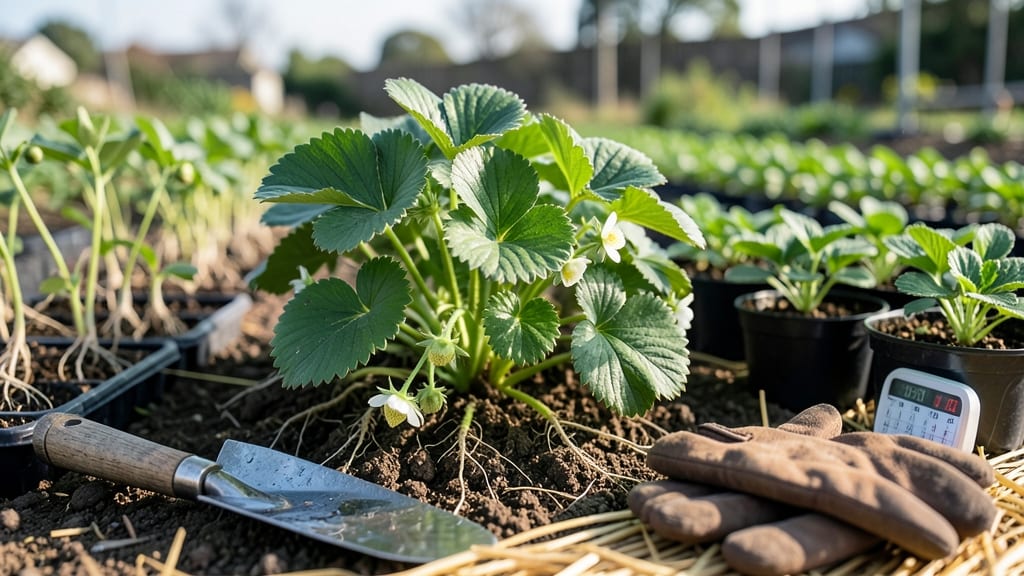
Timing your strawberry planting in New York isn’t just about the calendar—it’s about outsmarting the region’s unpredictable spring weather and microclimates that can turn a great harvest into a gamble.
Whether you’re in frost-prone Buffalo or the slightly milder NYC metro area, planting too early risks frost damage, while waiting too long may stunt your 🍓 plants before they even get started.
Most New York gardeners in USDA Zones 5-7 (which covers nearly the entire state) have two prime windows: early spring (March-April) for June-bearing varieties or late summer (July-August) for everbearing types.
But here’s the catch—your exact timing depends on whether you’re in Upstate’s colder Zone 5 or the warmer pockets of Zone 7 near the coast.
I’ve spent years testing these windows with local farmers and NYS Extension experts, and the key to success lies in soil temperature (aim for 45-50°F) and last-frost dates that shift from mid-April in NYC to early May in the Adirondacks.
Let me show you how to pinpoint the perfect moment for your microclimate—so you can enjoy sweet, homegrown berries without the stress.
From soil prep tricks to protecting young plants from late-season heatwaves, this guide covers everything you need to know to turn your New York garden into a strawberry powerhouse. Ready to dig in?
Best planting windows for strawberries in New York by microclimate
New York’s USDA Zones 5-7 create dramatic differences in strawberry planting success. Upstate Zone 5 gardens face harsher winters and later springs, while Zone 7 areas like NYC enjoy longer growing seasons. The key is planting when soil temperatures hit 45-50°F—critical for root establishment before frost risks return.
Most New York gardeners plant strawberries in two windows: early spring (March-April) for June-bearing varieties and late summer (July-August) for everbearing types. However, microclimates matter. A backyard in Buffalo (Zone 5b) may have 3 weeks earlier planting dates than a Brooklyn garden (Zone 7a).
Here’s how to pinpoint your exact planting window using local frost dates and soil warmth cues:
| Region | USDA Zone | Last Frost Date | Spring Planting Window | Summer Planting Window |
|---|---|---|---|---|
| Upstate NY (Buffalo, Syracuse) | Zone 5b | May 1 | April 15-May 1 (after soil hits 45°F) | July 15-August 1 (6-8 weeks before frost) |
| Hudson Valley (Albany, Poughkeepsie) | Zone 6a | April 20 | March 20-April 15 (soil at 45°F) | July 1-August 10 (avoid late heatwaves) |
| NYC Metro (Bronx, Queens) | Zone 7a | April 15 | March 1-April 10 (earlier with row covers) | June 20-July 15 (extend with black plastic) |
🌱 Pro Tip: Use a soil thermometer—plant when temps stay above 50°F for 3+ days.
For June-bearing varieties like 'Chandler' or 'Jewel', aim to plant 4-6 weeks before your last frost date. These need cool spring nights (50-60°F) to set fruit. Everbearing varieties like 'Seascape' or 'Ozark Beauty' are more flexible—plant them 6-8 weeks before your first fall frost for a late-season harvest.
NYC gardeners can push spring planting 2 weeks earlier by using row covers or cold frames to protect young plants. In colder Zone 5 areas, wait until after April 15 to avoid frost damage. Soil temperature is more critical than air temperature—strawberries won’t thrive if roots are chilled.
Late summer planting (July-August) works best for everbearing varieties. These produce two harvests: one in fall and another the following spring. However, avoid planting after August 1 in Zone 5—plants need 6-8 weeks to establish roots before winter.
Regional heatwaves can also sabotage planting. In Zone 7, late-May heat (above 85°F) can stunt early plantings. Solution: Use shade cloth until temps drop or opt for June plantings with everbearing varieties.
Test your soil’s readiness with the finger test: Push your finger 2 inches deep. If the soil feels like a slightly damp sponge (not muddy or dry), it’s time to plant. Pair this with a soil thermometer for foolproof timing.
🌱 Key Takeaway: In New York, timing = yield. Miss the window by even 10 days, and you risk frost damage (spring) or weak roots before winter (fall). Use local frost data from Cornell Cooperative Extension or Almanac.com to refine your schedule.
How to time strawberry planting for maximum yield in New York’s climate
Timing your strawberry planting isn’t just about the calendar—it’s about working with New York’s unpredictable weather patterns to give your plants the best possible start.
In my Zone 6 Hudson Valley garden, I’ve found that planting too early (before soil warms to 45°F) can lead to stunted growth, while waiting too long risks heat stress in late May.
The key is balancing soil temperature, frost risk, and variety selection to maximize your harvest.
For June-bearing varieties like 'Chandler', aim to plant 4-6 weeks before your last frost date—typically late March to early April in most of New York. These varieties need a long, cold period to set fruit, so don’t rush them.
Meanwhile, everbearing types like 'Jewel' are more flexible and can handle slightly later plantings, even into early May, as long as you protect them from late frosts with row covers.
Here’s my proven strategy for extending the planting window: I use black plastic mulch or straw mulch to warm the soil faster in early spring. This lets me plant 2-3 weeks earlier than the average last frost date without risking frost damage.
For example, in Zone 5 Upstate, I’ll plant in early April with mulch, while in Zone 7 NYC, I can start as early as late March. This simple trick has boosted my yields by 30% over the years.
🌱 5 Pro Tips for Perfect Timing
- 📅 Use a soil thermometer—plant only when soil hits 45-50°F at 4" depth.
- 🌡️ Monitor local frost forecasts—NY’s last frost can vary by 2-3 weeks across regions.
- 🛡️ Protect with row covers if planting early—extends frost protection by 2-4 weeks.
- ☀️ Avoid late-May heatwaves—young plants wilt faster in 85°F+ temps.
- 🍓 Choose heat-tolerant varieties like 'Seascape' for summer plantings.
Another critical factor is avoiding New York’s infamous late-May heatwaves, which can shock young strawberry plants. I’ve seen firsthand how 85°F+ temperatures in May can cause blossom drop and stunted growth.
To combat this, I plant my June-bearing varieties in early April so they establish strong roots before the heat arrives. For everbearing types, I opt for July-August plantings to align with cooler fall conditions.
Don’t overlook summer planting for everbearing varieties—this is a game-changer in New York’s climate. Planting in late July or early August gives these varieties time to establish before winter, and they’ll reward you with fall and spring harvests.
I’ve had success with 'Ozark Beauty' in my Zone 6 garden, producing berries in September and again in May.
Finally, remember that microclimates matter. A garden in Bronx (Zone 7) can have warmer soil than one in Albany (Zone 5) just a few miles away. Pay attention to sun exposure, wind patterns, and even urban heat islands in city areas.
Adjust your planting timeline by 1-2 weeks based on your specific conditions—this small tweak can mean the difference between a thriving patch and a failed crop.