
Flowers
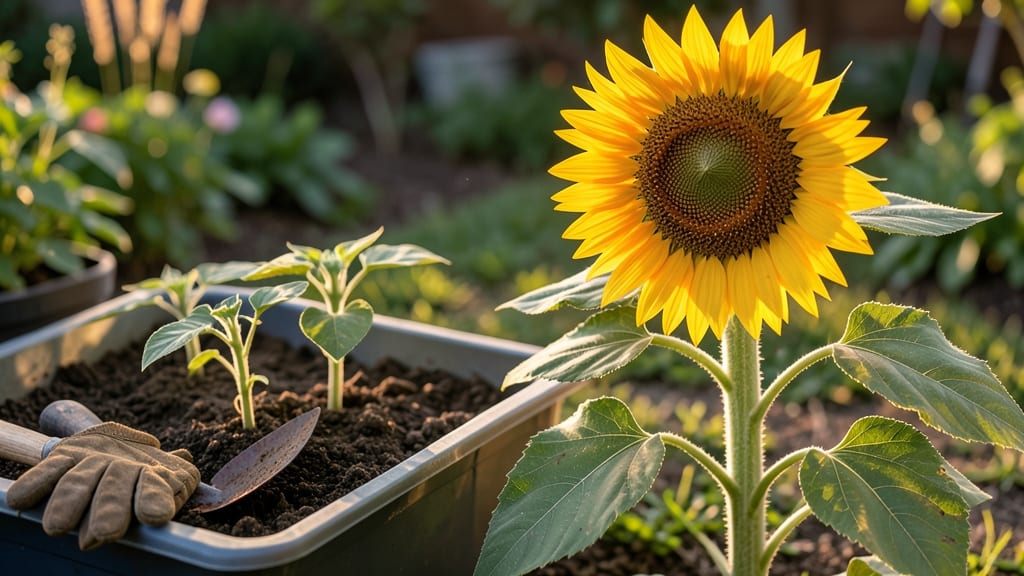
If you’ve ever dreamed of watching 🌻 sunflowers tower over your Georgia garden—only to wonder when exactly to plant them—you’re not alone. The wrong timing can mean wilted petals before they even bloom, but get it right, and you’ll enjoy those iconic golden faces from June to October.
Georgia’s 7b-8b climate gives you two prime chances: either right after the last frost in March-April for spring blooms, or in late August for a fall show.
But here’s the catch—coastal areas (like Savannah) have later frost dates than inland Atlanta, and soil temps matter just as much as calendar dates.
I’ll break down the exact planting windows for your zone, plus the fastest-growing varieties that beat Georgia’s heat. Whether you’re a first-timer or a seasoned gardener, these tips will ensure your sunflowers reach their full 10-foot potential without wilting in the summer sun.
Ready to skip the guesswork? Let’s dive into the zone-specific deadlines that’ll have your garden buzzing with pollinators—and your neighbors asking for cuttings.
Georgia sunflower planting deadlines by USDA Zone: exact dates for peak blooms
Georgia’s USDA Zones 7b–8b offer a generous 210-day frost-free season, but sunflowers need precise timing to thrive.
In North Georgia (Zones 7a–7b), like Atlanta and the mountains, the last frost typically hits March 15, while South Georgia (Zones 8a–8b), including Savannah and Columbus, enjoys 3–4 weeks earlier for planting.
Understanding these zone-specific deadlines ensures your sunflowers reach their full 3–14-foot height before summer’s heat peaks.
For direct-seeded sunflowers—the easiest method—plant 2–4 weeks after your last frost date. In Zone 7b (Atlanta area), that’s mid-to-late April, while Zone 8b (Savannah) gardeners can start as early as early March.
If you’re using transplants, wait until soil temperatures hit 50°F+ (usually late April in North Georgia) to avoid stunted growth. Late May plantings risk hurricane season stress, so avoid this window unless you’re in South Georgia’s drier zones.
🌱
| Planting Method | Zone 7b (North GA) | Zone 8b (South GA) | Key Consideration |
|---|---|---|---|
| Direct Seeding | Mid-April | Early March | Soil temp ≥50°F; avoid frost risk |
| Transplanting | Late April | Mid-March | Hardier seedlings; faster bloom time |
| Late Summer Planting | August | July | Short-season varieties only; harvest before frost |
| Bloom Window | June–July | May–June | Earlier in South GA; taller varieties need staking |
| Avoid Planting After | May 15 | June 1 | Hurricane season increases storm damage risk |
Spring-planted sunflowers in Georgia typically bloom in 60–90 days, depending on variety. Early April plantings in Zone 8b may produce blooms by late May, while late April plantings in Zone 7b often peak in mid-July.
The trade-off? Later plantings yield shorter, drought-resistant varieties, while earlier plantings maximize height but require more water during Georgia’s hot, humid summers.
For summer plantings, aim for late August in North Georgia or early July in South Georgia. These short-season varieties (like ‘Teddy Bear’) will bloom by October before the first frost.
Just beware: September plantings risk hurricane season winds snapping tall stems, so choose dwarf varieties (3–6 ft) for coastal areas.
Pro tip: Use a soil thermometer to confirm 50°F+ soil temps before planting. In North Georgia’s cooler microclimates (e.g., Blue Ridge Mountains), wait until May 1 to avoid late frost damage. Meanwhile, South Georgia’s sandy soils warm faster—plant 2 weeks earlier than the table suggests for faster germination.
🌻
Sunflowers in Georgia also benefit from succession planting. Sow a second batch in early June for fall blooms, especially in Zone 8b. These late-season plants will mature just in time for October harvests, giving you edible seeds and winter decorations.
Just space them 12 inches apart to prevent overcrowding, as summer heat slows growth.
Finally, track your local frost dates using the Georgia Automated Environmental Monitoring Network (AEMN). While the averages above are reliable, microclimates (like urban Atlanta’s heat islands) can shift planting windows by 1–2 weeks.
Adjust accordingly to ensure your sunflowers reach their full potential—because in Georgia, timing isn’t just about blooms; it’s about survival.
Sunflower varieties that thrive in Georgia’s heat: fast-germinating picks for short vs. long seasons
Not all sunflowers are created equal—especially in Georgia’s humid heat and short growing seasons. Some varieties bolt in the summer sun, while others stand tall through September. The key is choosing fast-germinating types that match your last frost date and first frost risk.
For North Georgia (Zone 7b), where summers are hot but springs can linger, prioritize early-maturing varieties like ‘Teddy Bear’ (dwarf) or ‘Autumn Beauty’ (multi-colored). In South Georgia (Zone 8a/b), you’ve got room for giants like ‘Russian Giant’—but only if planted by mid-April to avoid summer wilting.
🌻 Top 5 Georgia Sunflower Varieties Ranked
If you’re in Zone 7b (Atlanta, North Georgia), stick to 50-65 day varieties like ‘Moulin Rouge’ to avoid summer bolting. For Zone 8a/b (Savannah, South Georgia), you can push it with ‘Russian Giant’—but plant by April 15th to ensure blooms before September heat sets in.
Pro tip: Pre-soak seeds overnight for 24-hour germination—Georgia’s clay soil can slow sprouting. And if you’re planting in August for fall blooms, choose ‘Autumn Beauty’; it handles cooler temps better than standard types.
For container gardening (balconies, patios), dwarf varieties like ‘Teddy Bear’ (3-4 ft tall) are perfect—they thrive in 5-gallon pots with full sun and bloom in 60 days, even in urban Atlanta heat islands.
Remember: Soil temperature matters more than air temp. Use a soil thermometer—sunflowers need soil at 60°F+ to germinate. In coastal areas, wait until April 1st; inland, you can start as early as March 15th.