
Plants
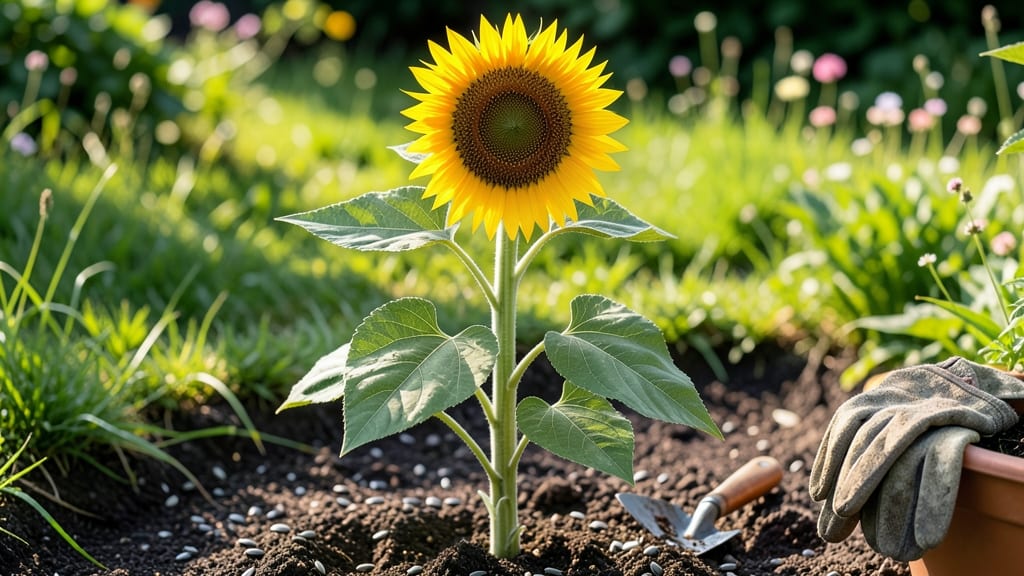
Planting sunflower seeds in Florida isn’t just about throwing seeds into the dirt—it’s about working with the state’s intense heat, unpredictable storms, and short frost-free windows to get those towering 🌻 blooms you’ve been dreaming of.
If you’ve ever wondered why your sunflowers bolt too fast or fail to thrive, the answer often lies in timing. Florida’s 9a-11 zones demand precision: plant too early, and you risk frost damage; too late, and the summer heat can shock young seedlings.
The key is knowing exactly when to start seeds indoors or sow them directly into warm soil.
In this guide, I’ll break down the exact months to plant for two successful harvests—spring and fall—plus the heat-resistant varieties that actually survive Florida’s sweltering afternoons. You’ll also learn how to prep your soil, space those giants properly, and avoid the mistakes that turn sunflower dreams into wilted disappointment.
Ready to grow sunflowers that reach for the sky instead of the skillet? Let’s get started with the planting schedule that finally works for Florida’s climate.
Best months to plant sunflower seeds in Florida’s climate zones
Florida’s climate varies dramatically from its northern to southern regions, so timing matters for sunflower success. The USDA zones 8A-10A create two ideal planting windows: spring (March-April) and fall (August-September). These months align with Florida’s frost-free periods and avoid the brutal summer heat that can stress young seedlings.
In North Florida (zones 8A-9A), where last frost dates range from January 15 to February 15, you’ll want to start seeds indoors in February for transplanting after the last frost.
Meanwhile, South Florida (zones 10A-11) gardeners can plant directly outdoors year-round, though summer heat (above 90°F) can stunt growth, making fall planting the safer bet.
Here’s how Florida’s climate zones break down for sunflower planting:
| Zone | Last Frost | Best Planting Months | Avoid Planting | Notes |
|---|---|---|---|---|
| 8A (North FL) | Jan 15 - Feb 15 | March - April August - September |
May - July (extreme heat) | Start indoors in Feb for transplanting. |
| 9A (Central FL) | Jan 1 - Feb 1 | March - April August - September |
June - July (hurricane risk) | Direct sow after soil warms to 50°F. |
| 10A-11 (South FL) | Dec 1 - Jan 1 | Year-round (best in fall) | May - September (peak heat) | Fall planting avoids summer stress. |
For spring planting, aim to sow seeds 45-60 days before the first expected frost in your zone. In North Florida, this means mid-March for direct sowing or indoor starts in February.
In South Florida, you can plant as early as January, but growth may slow until temperatures stabilize.
If you’re planting in fall, focus on August-September to give sunflowers time to mature before cooler winter temperatures slow growth. Avoid planting in October or later, as flowers may not fully develop before the shorter daylight hours of winter set in.
One critical tip for Florida gardeners: soil temperature is more important than air temperature. Use a soil thermometer to confirm the soil has reached at least 50°F before planting. In North Florida, this usually aligns with mid-March, while South Florida can start earlier.
Direct sowing is recommended for sunflowers, as they hate transplanting. However, if you’re in Zone 8A and want a head start, begin seeds indoors in February under grow lights and transplant after the last frost. Harden off seedlings for 7-10 days before moving them outdoors to prevent shock.
For container growing, Florida’s heat can be managed by planting in large pots (12+ inches deep) with well-draining soil. This allows you to move pots to shadier spots during peak afternoon heat (12 PM - 4 PM) while still providing full sun exposure in the mornings and evenings.
Remember, hurricane season (June-November) can disrupt sunflower growth, especially if planted too late. If you’re in coastal or central Florida, consider fall planting in August to avoid storm risks while still enjoying blooms before winter.
Best months to plant sunflower seeds in Florida’s climate zones
Florida’s climate zones—ranging from 8A in the Panhandle to 11 in the Keys—dictate your sunflower planting window. The golden rule is to plant when soil temperatures hit 50°F or warmer, avoiding both frost risk and summer’s brutal heat.
For most of Florida, that means two prime planting seasons: spring (March-April) and fall (August-September).
In North Florida (zones 8A-9A), where frost lingers until mid-February, aim for late March to give seedlings time to mature before summer’s intensity. Meanwhile, South Florida (zones 10A-11) gardeners can start as early as February—but watch for sudden heat spikes after April that can stress young plants.
Here’s how Florida’s zones break down for sunflower success:
For spring planting, start seeds indoors 4-6 weeks before your last frost date to give them a head start. In South Florida (zones 10A-11), where frost is rare, direct sow in February for early blooms.
But if you’re in North Florida, wait until after April 15 to avoid summer’s scorching heat.
Fall planting is trickier—August-September is your best bet to beat hurricane season and still harvest before first frost (which hits North FL by November). In South FL, you can push into October, but monitor weather forecasts closely.
Seedlings planted too late may not mature before cold fronts roll in.
Pro tip: Use black plastic mulch to warm soil faster in spring or shade cloth to protect seedlings from intense afternoon sun in summer. And always water deeply in the morning to prevent fungal issues in Florida’s humid climate.