
Plants
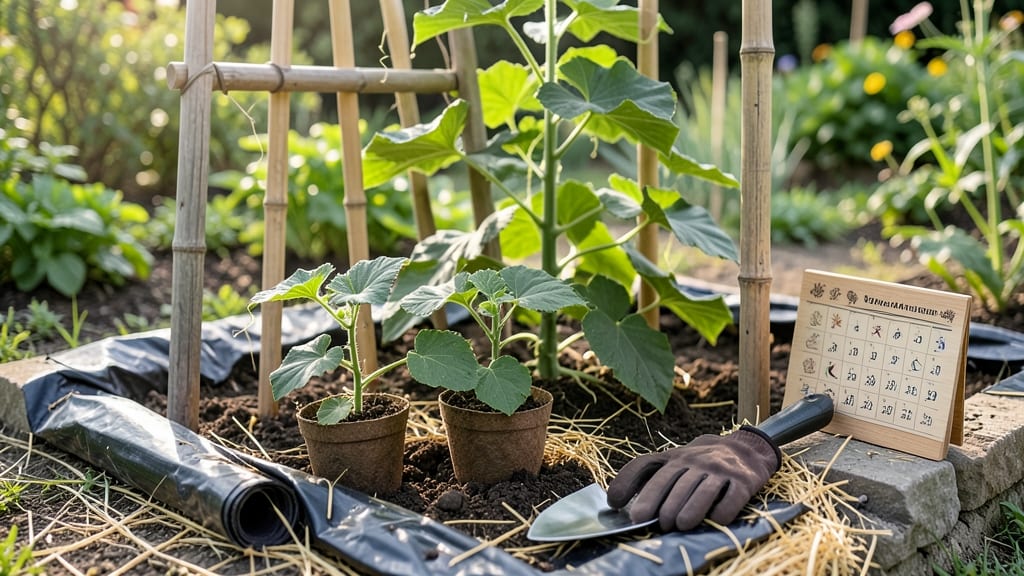
Best planting times for cucumbers in Central Florida’s climate zones
Central Florida’s USDA Zone 9b climate means you can grow cucumbers almost year-round—but timing is everything. Unlike northern gardeners, we don’t have to worry about frost, but heat stress and humidity can still derail your harvest.
The key is planting during cooler transitions when soil temperatures stay between 60°F and 85°F.
Most gardeners in Orlando, Tampa, and Gainesville focus on two main planting windows: spring (February-March) and fall (August-September). Summer planting is possible, but it requires extra care to protect plants from 90°F+ temperatures. Let’s break down the best times for each microclimate in Central Florida.
🌱 Visual Tip: Use a soil thermometer to check temperatures before planting—60°F+ is ideal for germination.
| Season | Planting Window | Soil Temp | Key Considerations |
|---|---|---|---|
| Spring | February-March | 60°F-75°F | Best harvest window; avoid late March heat spikes. |
| Summer | June-July (with shade) | 75°F-85°F | Use shade cloth; water deeply twice daily. |
| Fall | August-September | 65°F-80°F | Avoid September heat waves; harvest before frost risk. |
| Winter | January (rare) | 60°F+ | Only in microclimates; use row covers. |
For Orlando gardeners, aim to plant cucumbers by mid-March for spring harvests and early September for fall. Tampa’s slightly warmer climate extends your window to late March and mid-September, while Gainesville’s cooler nights allow for earlier spring and later fall plantings.
If you’re growing cucumbers in containers, start seeds indoors 4-6 weeks before your target outdoor date. Use 5-gallon pots or larger to accommodate their sprawling roots. Containers dry out faster, so monitor soil moisture closely—especially in summer.
Pro tip: Succession planting every 2 weeks during your main growing seasons ensures a continuous harvest. For example, plant a batch in late February, another in mid-March, and a final one in early April for a summer-long supply.
Watch for powdery mildew in humid conditions—space plants 12-18 inches apart and water at the base to improve airflow. In summer heat, mulch with straw to retain moisture and keep roots cool.
Remember, Central Florida’s long growing season means you can experiment! Try winter greenhouse growing or shade cloth experiments to push your harvest windows even further.
🌿 Now that you know the best times, let’s explore the top heat-resistant varieties that thrive in our climate—next up in our guide! 🥒
Best planting times for cucumbers in Central Florida’s climate zones
Central Florida’s USDA Zone 9b climate lets you grow cucumbers almost year-round, but timing is everything. The key is avoiding extreme heat (above 90°F) and light frosts (rare but possible in microclimates like Gainesville).
For best results, focus on spring and fall plantings, with optional winter protection in cooler areas.
Your ideal planting window is February–March for spring harvests and August–September for fall production. Summer plantings are possible with shade cloth, but yields may suffer without extra care. Always check soil temperatures—60°F+ is critical for germination and growth.
| Season | Planting Time | Soil Temp | Harvest Window | Notes |
|---|---|---|---|---|
| Spring | Feb–Mar | 60°F+ | Apr–Jun | Best yields; avoid late May heat |
| Summer | Jun–Jul (with shade) | 70°F+ | Aug–Sep | Use 30% shade cloth; water daily |
| Fall | Aug–Sep | 65°F+ | Oct–Dec | Long harvest; protect from light frosts |
| Winter | Nov–Dec (containers) | 60°F+ | Jan–Feb | Use row covers; limit to dwarf varieties |
Microclimates matter! In Tampa’s coastal warmth, you can push spring plantings into late March and fall plantings into early October. Meanwhile, Gainesville’s higher elevation may need to delay spring until mid-March and wrap up fall by late September to avoid early frosts.
For container growing, start seeds indoors in January and transplant into pots by February. Use 5-gallon containers with trellises to maximize space. Move containers to shaded areas during peak summer heat (June–July) to prevent bolting.
Pro tip: Use black plastic mulch to warm soil faster in spring and retain moisture during summer. This simple trick can extend your harvest window by 2–3 weeks in both seasons. Always monitor soil moisture—consistent watering is non-negotiable in Florida’s humidity.