
Plants
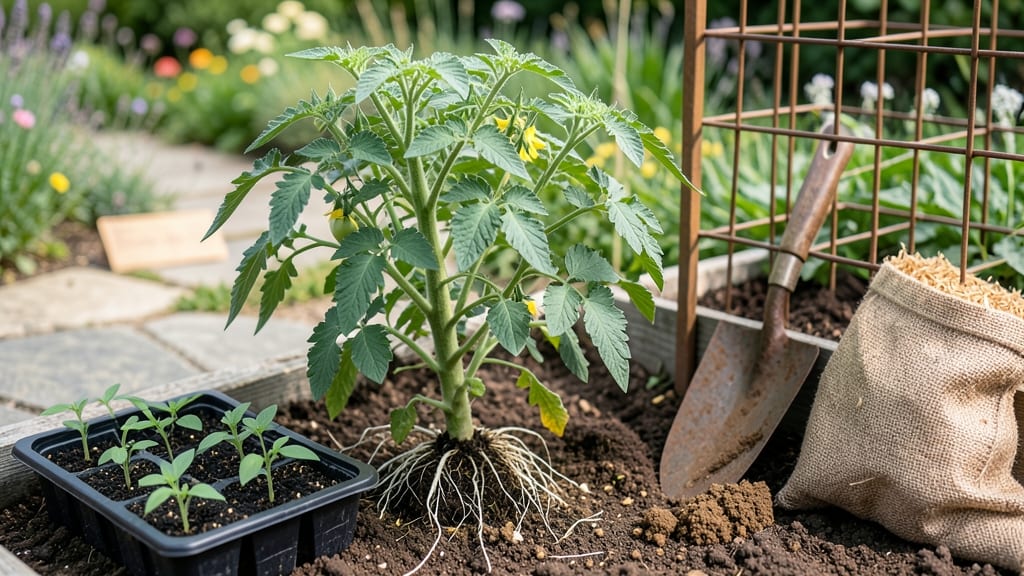
Planting your 🍅 tomato plants at the right time in Pennsylvania isn’t just about following a calendar—it’s about catching that sweet spot between frost risk and peak growing season.
In USDA Zones 5b–7a, waiting until after the last frost (typically mid-April but varying by region) ensures your seedlings thrive instead of shrivel.
Why does timing matter so much? Because tomatoes are finicky—too early, and cold soil stunts growth; too late, and you miss the 65-85 days they need to bear fruit before fall frost hits.
I’ll break down the exact windows for Zones 6 and 7, plus how to adjust for microclimates like Pittsburgh’s cooler valleys or Philadelphia’s urban heat islands.
You’ll also discover how to extend your harvest with row covers or cold frames, so you’re not left scrambling when June’s heat arrives. Whether you’re a first-time gardener or a veteran with blight-scarred memories, these zone-specific tips will help you avoid common pitfalls and maximize your yield.
Ready to turn your backyard into a tomato powerhouse? Let’s dive into the deadlines, soil secrets, and smart strategies that’ll have you picking ripe 🍅 all summer long.
Pennsylvania planting deadlines for tomatoes by Zone 6-7 (with frost risk factors)
Pennsylvania's USDA Zones 6-7 offer a 165-day frost-free season, giving gardeners a prime window to grow tomatoes from late spring to early fall. However, the last frost date varies dramatically—Philadelphia typically sees frost by April 15, while Pittsburgh may wait until May 1.
These differences mean your planting timeline should align with your local microclimate, not just your zone number.
For Zone 6 (northern PA), aim to plant transplants after May 15 to avoid late frosts. In Zone 7 (southern PA), you can start as early as April 20, but always verify soil temperatures.
A soil thermometer is your best tool—tomatoes thrive when soil reaches 60°F and nighttime temps stay above 50°F.
🌱
🌱 Pennsylvania Tomato Planting Timeline by Zone
| Zone | Last Frost Date | Ideal Planting Window | Soil Temp Threshold | Key Risk |
|---|---|---|---|---|
| Zone 6 (e.g., Erie, State College) | April 25 - May 10 | May 15 - June 1 | 60°F minimum | Late spring frosts |
| Zone 6b (e.g., Harrisburg) | April 15 - April 30 | April 20 - May 15 | 55°F minimum | Unpredictable cold snaps |
| Zone 7a (e.g., Philadelphia, Pittsburgh) | April 1 - April 15 | April 15 - May 10 | 58°F minimum | Early heat waves |
| All Zones | N/A | June 1 - June 15 (late planting) | 60°F+ | Shorter harvest season |
💡 Pro Tip: Use the Almanac's Frost Calculator for your exact location—it accounts for elevation and urban heat islands.
If you're growing from seeds, start them indoors 6-8 weeks before your last frost date. For Zone 6, that means mid-March; in Zone 7, you can begin late February.
Use a grow light to prevent leggy seedlings, and harden them off for 10-14 days before transplanting.
For transplants, buy healthy 6-inch seedlings from nurseries once soil is workable. Avoid planting before April 15 in most of PA—even hardy varieties like 'Stupice' can suffer if nights dip below 45°F. Check for blackened leaves or stunted growth, which signal frost damage.
🌡️
Microclimates play a huge role in PA. Urban areas like Philadelphia often warm up 3-5 days earlier than rural zones due to heat islands. Conversely, mountainous regions (e.g., Poconos) may face frost until May 10.
Observe your garden's sun exposure—south-facing beds warm faster, while north-facing spots stay cooler. Use black plastic mulch to raise soil temps by 5-10°F if needed.
Don't rely solely on zone maps—they're broad guidelines. For precise timing, track your local average last frost over 3 years and adjust. If you're unsure, stagger plantings every 2 weeks to extend your harvest. This way, even if early plants struggle, later ones will thrive.
🌱
Pennsylvania planting deadlines for tomatoes by Zone 6-7 (with frost risk factors)
In Pennsylvania’s USDA Zones 6-7, timing your tomato planting is like hitting a moving target—frost dates shift yearly, and microclimates (like Pittsburgh’s valleys vs. Philadelphia’s urban heat) create local variations.
The last average frost date typically falls between April 15 and May 1, but I always check the National Weather Service or my local Cooperative Extension office for real-time updates.
For Zone 6 (northern PA), aim to plant after May 1 when soil temperatures hit 60°F—cold soil stunts root growth. In Zone 7 (southern PA), you can start as early as April 20, but wait for nighttime temps to stay above 50°F consistently.
Using a soil thermometer ($10 at garden centers) is my secret weapon for accuracy.
Why does this matter? Tomatoes need 65-85 days to mature, and planting too late risks fall frosts (usually October 15 in Zone 6, October 30 in Zone 7). I’ve seen cherry tomatoes ripen in 55 days, but heirloom varieties often need the full 85 days—so plan accordingly!
| Zone | Last Frost Date | Ideal Planting Window | Soil Temp Threshold | Frost Risk |
|---|---|---|---|---|
| Zone 6 | April 15–May 1 | May 1–May 15 | 60°F+ | High (late spring) |
| Zone 7 | April 20–April 30 | April 20–May 10 | 55°F+ | Moderate (earlier frost) |
| Microclimates | Varies (e.g., Pittsburgh: May 10; Philly: April 25) | Adjust ±7 days | Use soil thermometer | Check local records |
Microclimates throw a wrench into the plan. For example, Pittsburgh’s valleys (Zone 6) often frost later than Philadelphia’s urban areas (Zone 7a). I’ve planted early varieties like ‘Stupice’ in late April near my city rooftop garden and still avoided frost damage—thanks to the urban heat island effect.
To verify your local frost risk, I recommend using the Almanac’s Frost Calculator or calling your county extension office.
Pro tip: Stagger your planting by 2 weeks for continuous harvests. Start with early varieties (55-day maturity) in late April, then add mid-season (65-day) and late-season (85-day) types. This way, you’re not left with a glut of ripe tomatoes all at once—or worse, none at all!
Remember, soil temperature matters more than air temperature. Even if daytime highs hit 70°F, if the soil is still chilly, your seedlings will struggle. I’ve lost entire batches of transplants by ignoring this rule—don’t make my mistake!
Use a clear plastic mulch to warm the soil faster if you’re eager to plant early.