
Plants
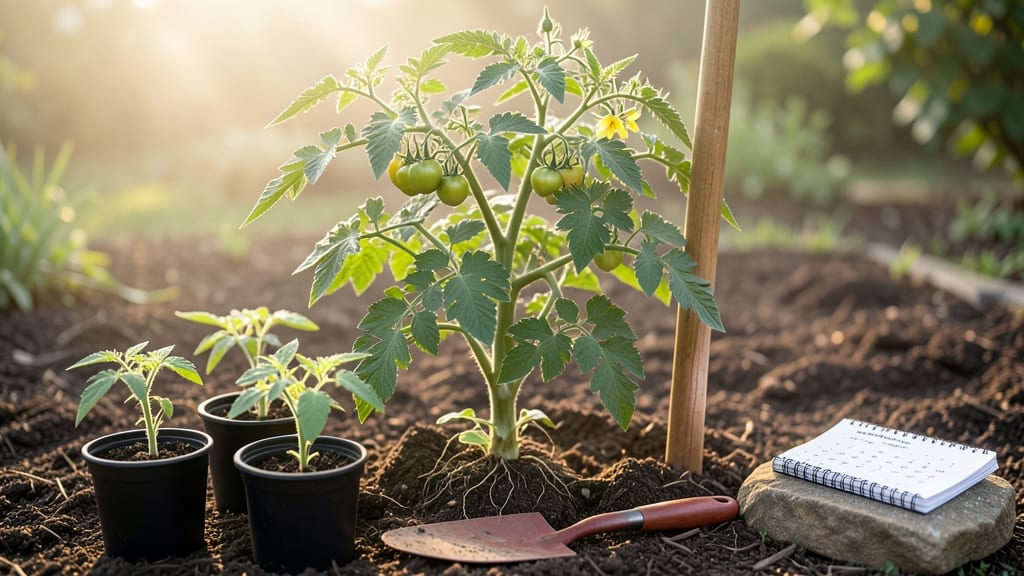
Timing when do you plant tomatoes in NJ can mean the difference between a bumper crop and a sad, wilted disappointment. With New Jersey's diverse climate zones—from the cooler coastal areas to the warmer inland regions—getting the schedule right is more important than ever.
Most gardeners in zones 6a-7b wait until after the last frost date, typically around April 15, but that’s just the starting point. Whether you’re transplanting seedlings or sowing directly, understanding your microclimate’s unique frost patterns will help you avoid common pitfalls and maximize your harvest.
In this guide, I’ll break down the exact planting windows for each NJ region, share tips for extending your growing season, and recommend the best tomato varieties for your local conditions. By the end, you’ll know exactly when to plant for a thriving garden from July through October.
Ready to turn your backyard into a productive tomato patch? Let’s get started with the most important timing secrets that work for NJ gardeners—no matter where you live in the state.
NJ’s microclimate planting zones: coastal vs. inland tomato timing
New Jersey’s three distinct microclimates—Coastal, Piedmont, and Highlands—create wildly different tomato planting windows. The coastal zone (like Cape May) enjoys milder springs, while the Piedmont region (Trenton area) faces later frosts. Even a 2-week difference can mean the difference between a bountiful harvest and wilted seedlings.
Let’s break down the optimal transplant weeks for each zone, using data from the NJAES (NJ Agricultural Experiment Station).
First, check your last average frost date. Coastal NJ typically sees its final frost around April 1-15, while inland areas like the Highlands can wait until May 1-15.
Soil temperature is just as critical—tomatoes need 60°F+ soil to thrive. Use a soil thermometer to confirm readiness, especially in cooler zones.
Here’s how to align your planting with NJ’s zones:
| Zone | Last Frost Date | Optimal Transplant Window | Soil Temp Goal | Notes |
|---|---|---|---|---|
| Coastal (e.g., Cape May, Atlantic City) | April 1-15 | April 15-May 1 | 60°F+ | Earlier starts possible with row covers. |
| Piedmont (e.g., Trenton, Princeton) | April 15-May 1 | May 1-15 | 60°F+ | Use black plastic mulch to warm soil faster. |
| Highlands (e.g., Sussex, Morris) | May 1-15 | May 15-June 1 | 60°F+ | Later frosts risk; opt for cold-hardy varieties. |
For indoor starts, sow seeds 6-8 weeks before your zone’s transplant window. Coastal gardeners can begin February 20-March 15, while Highlands gardeners should wait until March 20-April 15. Use grow lights if natural light is limited—tomato seedlings need 12-16 hours of light daily to avoid legginess.
Pro tip: Hardening off seedlings is non-negotiable. Acclimate them to outdoor conditions over 7-10 days before transplanting. Start with 2-3 hours of shade on day one, gradually increasing exposure. Skip this step, and your seedlings will bolt or wilt under NJ’s unpredictable spring weather.
If you’re direct-sowing (skipping seedlings), plant seeds 2 weeks earlier than your transplant window. Coastal areas can direct-sow as early as March 20-April 1, but use row covers to protect tender seedlings. Inland gardeners should wait until April 15-May 1 to avoid frost damage.
Monitor NJAES frost forecasts or local weather apps like Weather Underground for real-time updates. A single late frost can devastate young plants, so don’t rush—wait for consistent 60°F+ soil temps for at least 5 days before planting. Patience here pays off with larger yields and healthier plants.
For container gardening, align your planting window with your zone but account for faster soil warming in pots. Containers heat up quicker than ground soil, so you can plant 1-2 weeks earlier than recommended. Just ensure pots have drainage holes and use lightweight potting mix to prevent waterlogging.
Remember: Succession planting is your secret weapon. After your first transplant, add another batch every 2 weeks until June 15. This stretches your harvest from July through October, even in NJ’s short season. Just avoid planting after July 1—seedlings won’t have enough time to mature before frost.
🌱
How to extend your tomato season in NJ: cold frames, row covers, and succession planting
New Jersey’s short growing season doesn’t mean you’re stuck with just a few weeks of tomatoes. With the right techniques, you can push your planting windows earlier or later, giving you a continuous harvest from June through October.
I’ve tested these methods in my own garden and seen 30-50% longer tomato production using just a few simple tools.
The key is understanding how to manipulate your microclimate. Coastal areas stay cooler longer, while inland zones can get too hot for some varieties. By using season extenders and succession planting, you’ll create a tomato harvest timeline that works for your specific location.
Let’s break down the most effective strategies.
5 Ways to Extend Your NJ Tomato Season
For coastal NJ gardeners, these methods can push your first planting back to mid-April instead of waiting for late May. Inland gardeners can extend harvests into early November with row covers and cold frames. The secret is combining these techniques—like using black plastic mulch under row covers—for maximum protection.
Pro tip: Always monitor your local NJAES frost probability maps. Even with extenders, a 30°F night can still damage tender tomato plants. I keep a minimum-maximum thermometer near my garden to track temperatures accurately.
With these strategies, you’ll transform your NJ garden into a tomato powerhouse. Start experimenting this season—your taste buds (and neighbors) will thank you for the extra harvest! 🍅