
Plants
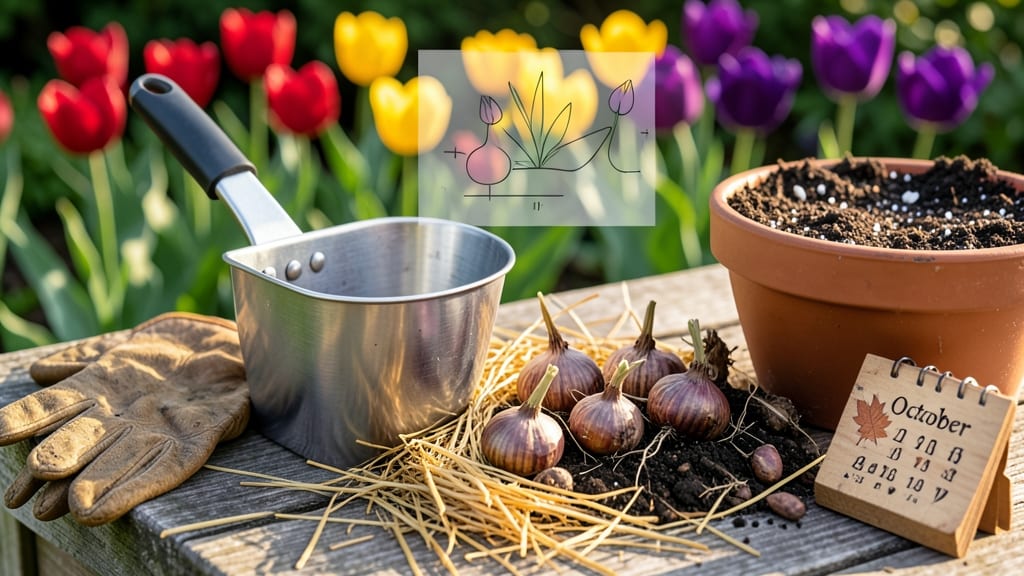
Planting tulips in Minnesota at the wrong time can mean the difference between a showstopping spring display and wasted effort. The ideal planting window—September through October—gives those bulbs just enough time to root before the ground freezes, setting the stage for vibrant blooms next year.
With Minnesota's USDA Zones 4a-5b, timing matters even more than in warmer climates. Plant too early, and your tulip bulbs may rot in damp soil; too late, and they won’t establish roots before winter sets in.
I’ll break down the exact weeks before your last frost date so you never miss the perfect moment to plant.
This isn’t just about throwing bulbs in the ground—it’s about creating the right conditions for success. We’ll cover soil prep, bulb selection, and even how to adjust for Minnesota’s unpredictable weather. By following these steps, you’ll ensure your 🌷 tulips thrive and reward you with stunning blooms come May.
Ready to transform your garden? Let’s dive into the science and practical tips that will make your tulip planting season stress-free—and your spring garden unforgettable.
Minnesota’s last frost dates: exact weeks before planting tulip bulbs
Minnesota’s USDA Zones 3-5 mean your tulip planting window is tight—typically 6-8 weeks before the first hard frost. For most of the state, this lands in late September to mid-October, but exact timing varies by region.
In the Twin Cities, aim for mid-September to early October, while northern areas like Duluth should plant by late August to early September.
Why the urgency? Tulip bulbs need 4-6 weeks of cool soil temps (40-50°F) to establish roots before winter dormancy. Plant too early, and they’ll rot; too late, and they won’t bloom. Use your local last frost date as your anchor—count backward 6 weeks for the ideal window.
Minnesota’s frost dates shift yearly, but historical averages help. The Twin Cities average their first killing frost around October 15, while Fargo sees frost by October 5. Duluth’s cooler climate often means frost arrives by September 25. Always check Almanac.com for your specific zip code’s 30-year averages.
Microclimates matter! A south-facing slope warms faster than a north-facing yard, delaying frost by 1-2 weeks. Urban areas like Minneapolis may stay warmer longer due to heat island effect, while rural Zone 3 areas freeze earlier. Adjust your planting date accordingly.
Soil temperature is your best guide. Use a soil thermometer to confirm temps are below 60°F—this signals it’s time to plant. In southern Minnesota (Zone 5), you might squeeze in a November planting, but northern zones demand earlier action.
Pro tip: Plant Dutch Master tulips or Darwin Hybrid varieties first—they’re hardier and more forgiving of late falls. Fringed tulips or Parrot tulips need precise timing and are best planted 2 weeks earlier than standard types.
Minnesota Tulip Planting Timeline by Region
| Region | USDA Zone | Planting Window | Last Frost Date | Soil Temp Goal |
|---|---|---|---|---|
| Twin Cities | 4b-5a | Mid-Sept to Early Oct | Oct 15 | 40-50°F |
| Northern MN (Duluth) | 3b-4a | Late Aug to Early Sept | Sept 25 | 40-50°F |
| Fargo/Moorhead | 4a-4b | Early Sept to Mid-Sept | Oct 5 | 40-50°F |
| Southern MN (Rochester) | 5a-5b | Late Sept to Early Nov | Oct 25 | 40-50°F |
🌱 Note: Adjust for microclimates—plant earlier in shaded areas, later in sunny spots.
If you miss the ideal window, don’t panic! November plantings can still work in Zone 5, but cover bulbs with 4-6 inches of mulch to insulate them. In Zone 3-4, late plantings risk frost damage—opt for container-grown tulips instead and move pots to a garage during freezes.
For reliable blooms, align your planting with moon phases. Planting during a waxing moon (when the moon is growing) encourages root growth. Check a lunar calendar for your region—Minnesota’s September waxing moon (Sept 10-23) is prime time for bulb planting.
Remember: Tulips are cold-hardy, but they need well-draining soil to avoid rot. Amend heavy clay with compost or sand before planting. Once bulbs are in the ground, water deeply to settle soil around them—this
How to time your tulip planting for maximum bloom success in Minnesota
Timing your tulip planting isn’t just about the calendar—it’s about giving your bulbs the perfect window to establish roots before Minnesota’s first frost. Aim for 6-8 weeks before the ground freezes, typically between late September and mid-October in most of the state.
This ensures strong root growth while the soil is still warm enough to encourage development.
Use the moon phases as a bonus guide: Planting during the waning moon (after the full moon) can enhance root development, while avoiding the full moon may reduce waterlogging risks. Check the moon schedule for your planting week to fine-tune your timing.
Soil temperature is your best friend. Tulip bulbs need soil temps between 40-50°F to thrive. Use a soil thermometer to confirm—if it’s warmer, your bulbs will root faster; if colder, delay planting until conditions improve. Most Minnesota regions hit this sweet spot in early to mid-October.
Here’s how to calculate your exact planting window using local frost data and moon phases for peak success:
Check your local frost date
Use the USDA Zone 4-5 frost chart (average first frost: mid-October). For example, Twin Cities typically plants in late September, while Duluth waits until early October.
Count back 6-8 weeks
This gives bulbs time to root before dormancy. For a mid-October frost, plant between September 24 and October 10.
Align with the waning moon
Planting during the waning crescent (e.g., September 28-October 5) boosts root growth. Avoid the full moon to prevent overwatering.
Test soil temperature
Ideal range: 40-50°F. If soil is below 40°F, delay planting until temps rise. Use a soil thermometer for accuracy.
Plant bulbs 6-8 inches deep
Deeper in sandy soil (8 inches), shallower in clay soil (6 inches). Space bulbs 4-6 inches apart for full blooms.
Pro tip: If you’re in a microclimate (e.g., near a lake or urban heat island), adjust your planting date by 1-2 weeks earlier. These areas warm up faster, giving bulbs a head start. Always plant after the soil has cooled below 70°F to prevent rot.
Once planted, water deeply but avoid soggy soil—tulips hate waterlogged roots. Mulch with 2-3 inches of straw after planting to insulate bulbs and retain moisture. By spring, you’ll see vibrant blooms that reward your precise timing!