
Vegetables
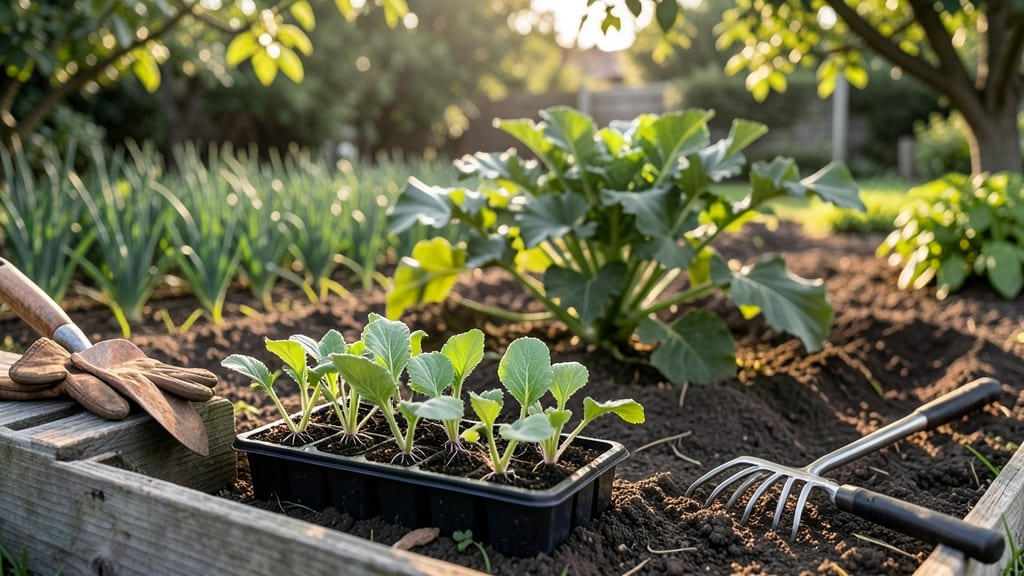
Timing your 🥕 turnip planting in the fall can make the difference between a bumper harvest and a disappointing one—especially in Zones 5-8 where frost dates vary wildly. Plant too early, and your turnips might bolt before reaching their sweetest stage; too late, and you’ll miss the window entirely.
The key is understanding how your microclimate (think urban heat islands or frost pockets) shifts those traditional planting guidelines.
Most gardeners in Zone 6a—like me—aim for 4-6 weeks before the first frost, but that’s just the starting point. I’ve learned the hard way that elevation, soil temperature, and even nearby water bodies can push your ideal window earlier or later.
For example, coastal areas might extend your planting by 1-2 weeks compared to inland spots with the same zone rating.
What if you’re new to fall turnips? Don’t worry—this guide breaks down exactly when to plant by zone, how to adjust for your specific microclimate, and which varieties thrive in cooler weather.
You’ll also discover how to stretch your harvest window with succession planting, so you’re pulling crisp, flavorful roots well into late fall.
Ready to avoid the common mistakes that waste entire harvests? Let’s dive into the actionable timing and prep steps that’ll have your turnips growing like they’re on a fast track to Thanksgiving dinner. Your garden (and taste buds) will thank you.
Optimal fall turnip planting dates by Zone 5-8 (with microclimate adjustments)
Timing your turnip planting in the fall is like hitting a moving target—too early, and they bolt; too late, and frost ruins your harvest. The key is planting 4-6 weeks before your first frost date, but microclimates throw a wrench into that rule.
For example, a Zone 5 garden might need adjustments if you live near a lake or in a frost pocket.
Most gardeners in Zones 5-8 aim for late summer to early fall planting, but the exact window shifts based on your last frost date. In Zone 5, where frost hits early, you’ll want to plant by mid-August for a harvest before winter.
Meanwhile, Zone 8 gardeners can stretch planting into early October thanks to milder winters.
Here’s the breakdown: Zone 5 (first frost: late October) → plant August 15-September 15; Zone 6 (first frost: mid-November) → plant August 1-September 30; Zone 7 (first frost: late November) → plant July 30-October 15; Zone 8 (first frost: December) → plant July 15-October 30.
But don’t rely solely on zone guidelines. Urban heat islands can delay frost by 1-2 weeks, while coastal areas may see earlier freezes. Always check your local frost dates and adjust accordingly.
🌱
Choosing the right turnip variety also impacts your planting timeline. Fast-maturing varieties like Tokyo Cross (50 days) are perfect for late-season plantings, while slower growers like Purple Top White Globe (70 days) need an earlier start.
If you’re in Zone 5 or 6, stick to early varieties; Zones 7-8 can experiment with longer-season types.
Soil temperature is another critical factor. Turnips thrive when soil is between 45°F and 85°F. If your soil runs cooler (common in northern climates), wait until mid-August to plant.
In warmer zones, you can start as early as mid-July, but be prepared to provide shade if temperatures exceed 90°F.
For container gardening, adjust your timeline by 1-2 weeks earlier—pots heat up faster and dry out quicker. If you’re using raised beds, they’ll warm up more quickly than in-ground soil, so plant 1 week earlier than your zone’s guidelines suggest.
💧
Finally, don’t overlook succession planting. In Zones 7-8, you can squeeze in 2-3 plantings over a 6-week window. For example, plant a batch in late July, another in early August, and a final one in mid-September to ensure a continuous harvest.
This strategy works especially well for container gardens or small backyard plots.
Optimal fall turnip planting dates by Zone 5-8 (with microclimate adjustments)
Timing your fall turnip planting is like hitting a moving target—too early, and you’ll end up with bitter greens; too late, and frost steals your harvest. For Zone 5-8, the sweet spot is 4-6 weeks before your first frost date.
But here’s the twist: your actual planting window depends on whether you’re growing early-maturing varieties (like ‘Purple Top White Globe’) or slower varieties (like ‘Tokyo Cross’).
In Zone 5, where frosts can hit as early as October 15, aim for late August to mid-September. For Zone 6-7, stretch your window from mid-August to early October.
Gardeners in Zone 8 have more flexibility—plant from late July to early November, but watch for early frosts that can sneak in by November 15.
| Zone | First Frost Date | Ideal Planting Window | Microclimate Adjustments |
|---|---|---|---|
| 5 | October 15 | Late August–Mid-September | Push to early September in frost pockets; delay to mid-September in urban heat islands. |
| 6 | October 30 | Mid-August–Early October | Coastal areas: extend to late October; inland: start by August 15. |
| 7 | November 15 | Late July–Mid-October | High elevations: plant by September 1; valleys: delay to October 1. |
| 8 | December 1 | Late July–Early November | Northern Zone 8: plant by September 15; southern: extend to November 1. |
Microclimates throw a wrench into these dates. For example, urban heat islands can delay frost by 2-3 weeks, while frost pockets (like low-lying areas) may freeze earlier. To adapt, use a soil thermometer—turnips thrive when soil temps are between 45°F and 85°F.
If your area is prone to early frosts, opt for fast-maturing varieties (like ‘Seven Top’, which matures in 50 days).
Pro tip: Succession plant every 2 weeks in late summer to stagger your harvest. This ensures you’re pulling crisp, sweet turnips for weeks, not just a single bumper crop. Pair this with row covers if frost threatens early—it can buy you 2-4 extra weeks of growing time.
Don’t forget to test your soil before planting. Turnips prefer pH 6.0-7.0 and loamy soil. If your garden is heavy clay, mix in compost or sand to improve drainage.
Poor soil prep is a fast track to woody, bitter roots, and we’re all after that sweet, snowy-white harvest.
Once you’ve nailed your planting window, mark your calendar for harvest time. Turnips are ready when roots are 1-2 inches wide and tops reach 6-12 inches tall.
Pull them before leaves yellow or bolt—otherwise, you’ll be left with tough, pithy roots that taste more like regret than dinner. 🥕