
Vegetables
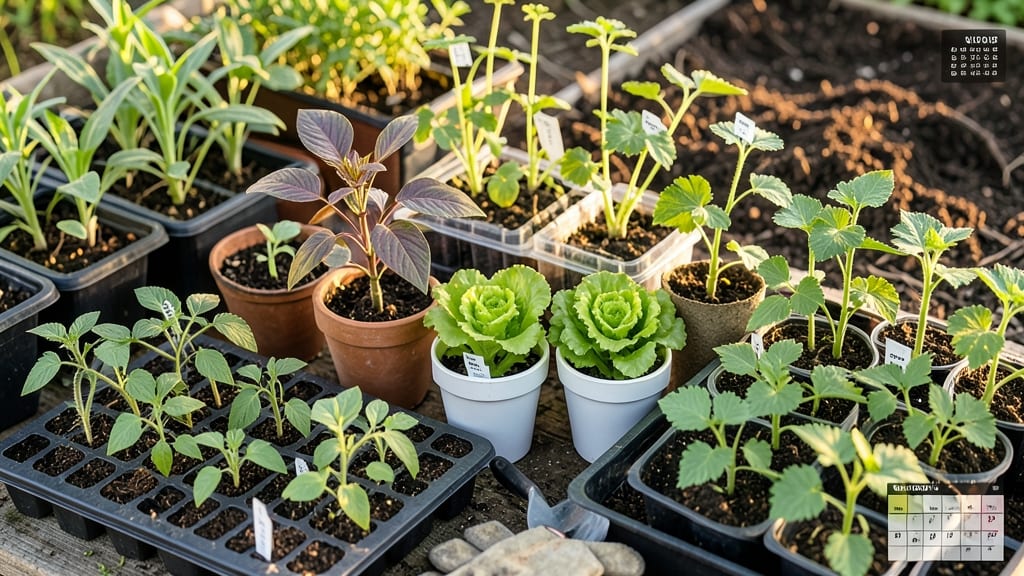
Timing your vegetable planting in Oklahoma isn't just about following a calendar—it's about working with Zone 7a's unpredictable frost dates and scorching summers to get the most from your garden.
Whether you're a first-time gardener or a seasoned green thumb, getting these windows right means the difference between bountiful harvests and wasted effort.
I'll walk you through exactly when to plant everything from cool-season greens to heat-loving tomatoes, so you can start seeds indoors by March 1 and keep your garden thriving through fall.
Oklahoma's climate throws curveballs—late frosts can sneak in as late as April 15, while early heat might arrive by June. That's why knowing your last frost date is the key to avoiding stunted plants or bolted lettuce.
We'll break down the perfect planting schedule for spring, summer, and fall crops, including which vegetables handle Oklahoma's extremes best. No more guessing whether to plant peas in March or wait until April!
What if your backyard has a microclimate that stays warmer longer? Or how do you stretch your harvest season when summer's already 90 degrees by July? I've got solutions like row covers, succession planting, and heat-tolerant varieties to keep your garden productive from seed to table.
Let's make sure your garden doesn't just survive Oklahoma's weather—it thrives in it.
By the end, you'll have a clear roadmap for planting everything from broccoli to okra, with actionable deadlines and pro tips tailored to Oklahoma's unique growing conditions. Ready to turn your garden into a year-round food factory? Let's get started.
Oklahoma Zone 7a frost dates: key planting windows for spring and fall
Oklahoma’s Zone 7a climate means your vegetable planting schedule hinges on two critical dates: the average last frost (March 15–April 15) and the first frost (November 1–November 15).
These dates create your planting windows—cool-season crops like broccoli and spinach thrive before and after these dates, while tomatoes and peppers need the warmth after the last frost.
For spring planting, aim to sow cool-season crops 4–6 weeks before your last frost date (by early March). Warm-season crops like okra and sweet potatoes should wait until after the last frost, typically mid-April to early May.
In fall, plant cool-season crops 6–8 weeks before the first frost (by early October) for a second harvest.
Use these Oklahoma frost dates as your guide, but always monitor local forecasts. A late frost in April or an early one in October can wipe out tender seedlings overnight. For extra protection, keep row covers or cold frames handy to extend your growing season.
| Season | Planting Window | Key Crops | Soil Temp |
|---|---|---|---|
| Spring | March 1–April 15 | Lettuce, Peas, Broccoli | 40–50°F |
| Spring (Warm-Season) | April 15–May 15 | Tomatoes, Peppers, Cucumbers | 60–70°F |
| Summer | May 15–September 1 | Okra, Sweet Potatoes, Corn | 70–80°F |
| Fall | September 1–October 15 | Spinach, Kale, Radishes | 50–60°F |
Understanding these frost dates helps you avoid common mistakes, like planting cold-sensitive crops too early or warm-season veggies before the soil warms. For example, tomato seedlings planted in March will bolt (flower prematurely) in the cold, while peas planted in June won’t thrive in Oklahoma’s summer heat.
Pro tip: Use succession planting to stretch your harvests. Sow lettuce every 2 weeks from March to September, and beans every 3 weeks from May to July. This ensures a steady supply of fresh produce and minimizes waste.
If you’re in a rural area with cooler nights or an urban garden with heat islands, adjust your planting by 1–2 weeks. Rural gardens often have earlier frosts, while city gardens can stay warmer longer. Always check your local cooperative extension service for hyper-local advice.
For container gardening, start warm-season crops indoors 6–8 weeks before the last frost (by late February) to give them a head start. This is especially useful for peppers and eggplants, which need a long, warm season to mature.
Remember, Oklahoma’s Zone 7a range means some areas (like Tulsa) may have slightly later frosts than others (like Oklahoma City). When in doubt, err on the side of caution—wait until the soil temperature reaches 60°F for warm-season crops before planting.
With these frost dates and soil temps as your guide, you’ll be well on your way to a bountiful Oklahoma garden—whether you’re growing heirloom tomatoes or crispy green beans!
Best vegetables to plant in Oklahoma by season (with exact months)
Oklahoma’s growing season rewards gardeners who align their planting schedule with the weather—cool-season crops need to go in early, while heat-loving veggies thrive when temperatures climb. I’ve broken down the best vegetables to plant each month, from March’s frost-sensitive greens to July’s scorching-hot peppers.
This isn’t just theory; these are the exact months I’ve used in my own Oklahoma garden to maximize harvests.
For spring planting (March–May), focus on cool-season crops that can handle Oklahoma’s late frosts. Start broccoli, cabbage, and peas indoors by March 1 and transplant them after your last frost date (March 15–April 15).
Lettuce and spinach can even handle light frosts, so seed them directly in early March for a spring harvest.
Summer (June–August) is all about heat-tolerant varieties. Plant okra, black-eyed peas, and sweet potatoes in late May once soil temperatures hit 65°F+. Tomatoes and peppers love the heat, but give them a head start indoors by March 15 and transplant after April 15. If your garden gets too hot, provide afternoon shade to prevent bolting.
Cool-season crops: Broccoli, Peas, Lettuce, Spinach, Cabbage
Heat-lovers: Okra, Black-eyed Peas, Sweet Potatoes, Tomatoes, Peppers
Cool-season revival: Kale, Carrots, Radishes, Turnips, Green Onions
Don’t overlook fall planting (September–October)—it’s a secret weapon for Oklahoma gardeners. After summer’s heat subsides, kale, carrots, and radishes thrive in cooler weather. Seed them directly by September 1 for a harvest before the first frost (November 1–15).
I’ve even grown spinach in October using row covers to push back frost damage.
Pro tip: Oklahoma’s short growing season means succession planting is your best friend. Instead of seeding all your lettuce or beans at once, stagger plantings every 2–3 weeks for a continuous harvest. This works especially well for bush beans and zucchini, which bolt quickly in summer heat.
If you’re new to Oklahoma gardening, start small with easy-to-grow crops like green beans, cucumbers, and Swiss chard. These tolerate Oklahoma’s heat and soil variations better than finicky varieties.
And remember: soil temperature matters more than air temperature. Use a soil thermometer—most seeds need 50–60°F soil to germinate, even in spring.
By following this seasonal breakdown, you’ll avoid the heartbreak of frost-killed seedlings or wilted summer crops. Next, we’ll tackle Oklahoma’s microclimates and weather quirks—because not all of Zone 7a is created equal! 🌱