
Plants
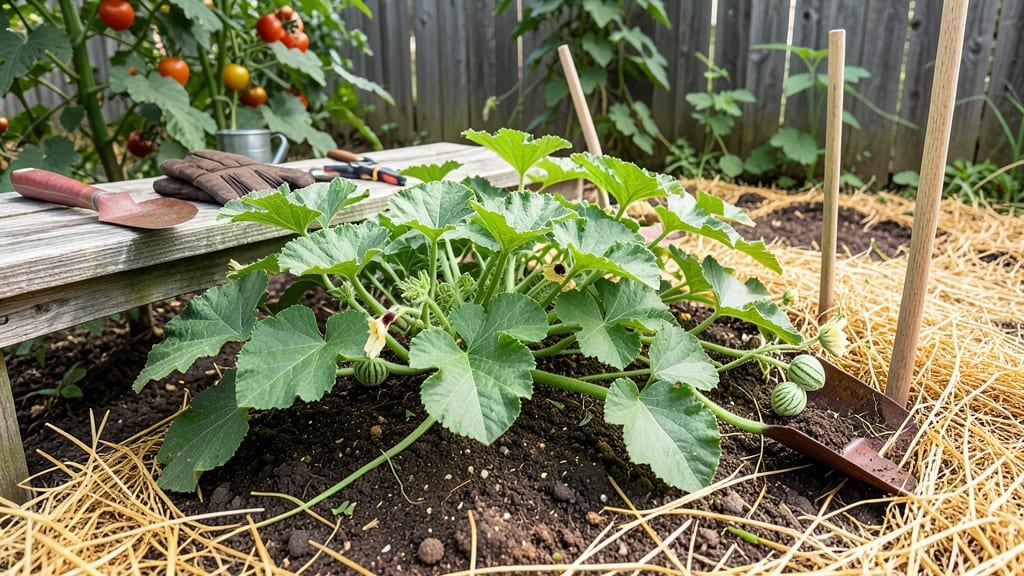
Planting watermelon in North Carolina at the right time means the difference between juicy, ripe fruit and bitter disappointment. The Tar Heel State’s Zone 7b climate demands precision—too early, and frost nibbles your seedlings; too late, and summer’s heat arrives too late for a full harvest.
I’ve grown watermelons here for years, and the fastest germination starts with warm soil and the perfect window. Whether you’re a first-time gardener or a seasoned pro, knowing when to sow seeds indoors or transplant outdoors is the key to avoiding common mistakes that waste time and effort.
North Carolina’s coastal regions and Piedmont areas have slightly different frost-free deadlines, but the rule stays the same: wait until the soil reaches at least 70°F and nighttime temperatures stay above 55°F.
Let’s break down the exact dates and tips to get your melons 🌱 thriving from seed to harvest.
From seed-starting schedules to soil prep tricks, I’ll show you how to maximize your yield and enjoy sweet, homegrown watermelons all summer long. Ready to turn your garden into a melon patch?
North Carolina Zone 7b watermelon planting calendar: exact dates for fast germination
North Carolina’s Zone 7b climate gives watermelons a fighting chance—but only if you plant at the perfect time. The last frost date in most of NC falls between March 15 and April 15, depending on elevation.
For fastest germination, aim to have soil temperatures consistently above 70°F, which typically happens by mid-April in the Piedmont and early May in the mountains.
Watermelon seeds need warmth to sprout, and cool soil will leave you waiting weeks—or worse, give up entirely. I’ve learned this the hard way after planting too early in Zone 7b and watching seeds rot in damp, chilly earth. The key is patience and precision timing.
Here’s the exact planting schedule I follow for Zone 7b watermelons, broken down by method: indoor starts, direct sowing, and transplanting. Each approach has its own deadlines to avoid frost damage or stunted growth.
| Stage | Action | Deadline | Notes |
|---|---|---|---|
| Indoor Seed Start | Sow seeds 3-4 weeks before last frost | Mid-March (Piedmont) / Early April (Mountains) | Use heat mat for faster germination |
| Direct Sow Outdoors | Plant after soil reaches 70°F | Mid-April (Coastal) / Early May (Mountains) | Use black plastic mulch to warm soil |
| Transplant Seedlings | Move hardened-off seedlings outdoors | Late April (Piedmont) / Early June (Mountains) | Avoid transplant shock with shade cloth |
| Second Planting | Direct sow for late-season harvest | Late June (All Regions) | Choose fast-maturing varieties |
For Zone 7b gardeners, the Piedmont region (like Raleigh or Greensboro) has the earliest planting window. Coastal areas (e.g., Wilmington) can start 2-3 weeks earlier thanks to milder winters, while the mountains (Asheville, Boone) should wait until early May or risk frost damage.
I always check the NC State Climate Office for local frost dates to adjust my schedule.
One mistake I see often is planting watermelons too early in hopes of an earlier harvest. But cool soil slows germination, and seedlings become leggy and weak. Instead, use black plastic mulch or row covers to warm the soil faster.
I’ve had success planting as early as mid-April in the Piedmont by covering beds with clear plastic for a week before sowing.
If you’re in Zone 7b and want to extend your harvest season, consider a second planting in late June. This works best with fast-maturing varieties like ‘Sugar Baby’ (70 days) or ‘Early Moon’ (65 days). Just be prepared to use row covers if an early frost threatens in September.
Watermelons need 6-8 hours of sunlight daily, so choose a south-facing spot with no shade from trees or fences. I’ve had the best luck planting near trellises or cages to save space, especially in small gardens.
Just remember: vining varieties like ‘Crimson Sweet’ spread 10-15 feet, while bush types like ‘Sugar Baby’ stay compact.
Finally, soil temperature is your best friend for germination. Use a soil thermometer to confirm it’s above 70°F before planting. If it’s cooler, wait—patience pays off.
I once planted in 65°F soil and waited 3 weeks for sprouts, while my neighbor who waited until 75°F saw germination in 5 days.
By following this Zone 7b planting calendar, you’ll avoid the most common mistakes and enjoy sweet, homegrown watermelons from July through September. The key is timing, warmth, and preparation—not rushing the process.
North Carolina Zone 7b watermelon planting calendar: exact dates for fast germination
North Carolina’s Zone 7b climate gives you a narrow but sweet window for watermelon success. The key is planting when soil temperatures hit 70°F+—any earlier, and your seeds will rot in cold soil. I’ve learned this the hard way after watching seedlings drown in soggy spring soil!
For most of NC, that means starting seeds indoors 4-6 weeks before your last frost date (typically late March to early April for Piedmont, slightly later for coastal areas).
Transplant outdoors only after the average last frost date, which ranges from mid-April in the mountains to early May near the coast.
Here’s your Zone 7b planting timeline with exact dates and soil temperature targets to ensure fast germination and strong vines:
| Stage | Action | Soil Temp | NC Deadline |
|---|---|---|---|
| Indoor Start | Sow seeds ½" deep in biodegradable pots | 65-70°F | Late March - Early April |
| Transplant Ready | Hardening off seedlings (10-14 days) | 55°F+ nights | Mid-April - Early May |
| Outdoor Planting | Transplant after last frost, 24" apart | 70°F+ consistently | Mid-May - Early June |
| Direct Sow | Plant seeds outdoors (if no frost risk) | 75°F+ minimum | Late May - Early June |
| Harvest Window | 75-90 days after transplanting | N/A | July - September |
Pro tip: Use a soil thermometer to confirm warmth—watermelon seeds need 80°F+ soil to germinate reliably. I’ve seen seeds take 2 weeks to sprout in cool soil, but with proper warmth, they’ll emerge in just 3-5 days!
For coastal NC, add 2-3 weeks to these deadlines due to later frost dates. And if you’re in the mountains, consider black plastic mulch to warm soil faster—it can shave 10-14 days off your growing season.
Remember: Watermelons thrive in heat and humidity, so the later you plant, the better they’ll perform. Just don’t wait past mid-June, or your vines may struggle before frost arrives in fall. 🌱