
Plants
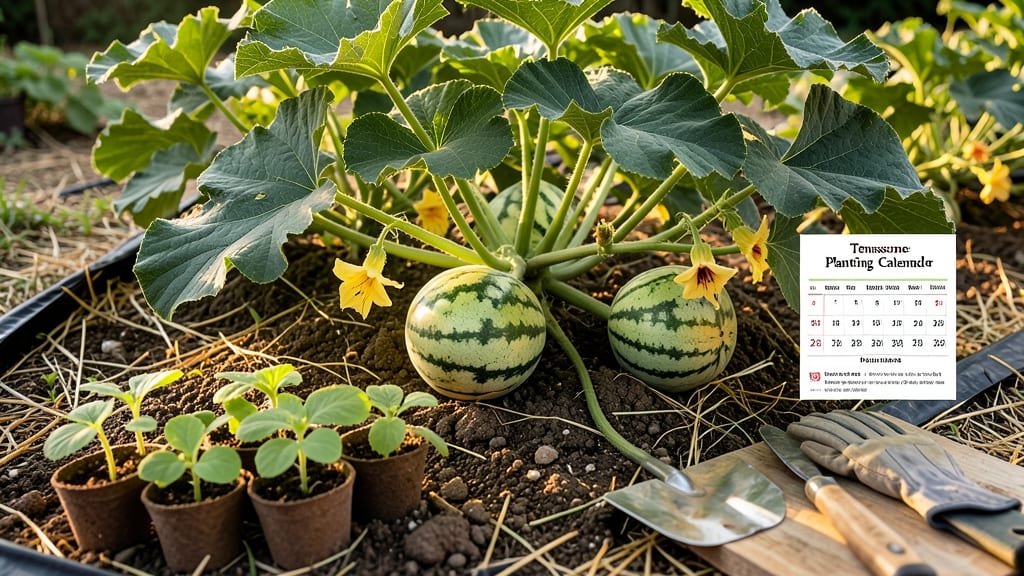
Planting watermelons in Tennessee at the wrong time means watching your crop suffer—or worse, never ripen at all. The 6a-7b climate zones here demand precision: too early, and frost will kill seedlings; too late, and summer’s heat will leave your melons tough and underripe.
Most gardeners in Tennessee wait until after the last frost—typically between April 15 and May 31—to plant watermelon seeds directly into warm soil. But here’s the catch: your success hinges on soil temperatures hitting at least 70°F, which can vary by 2-3 weeks depending on your microclimate.
I’ll break down the exact planting windows for each zone, plus pro tips to beat Tennessee’s humidity and heat. Whether you’re a first-timer or a seasoned grower, these strategies will help you maximize your harvest from July through September.
Ready to grow juicy, vine-ripened watermelons? Let’s get your garden prepped the right way—so you’re not left with bitter fruit or wasted effort.
Tennessee watermelon planting deadlines by USDA Zone (with frost risk alerts)
Tennessee spans USDA Zones 6b through 8a, meaning your planting deadlines depend heavily on where you live. In Zone 6b (northwest Tennessee), last frost typically occurs around April 15, while Zone 8a (Memphis and Nashville) sees frost-free conditions by March 15.
These dates determine your critical planting window—miss them, and your watermelons won’t mature before fall’s first frost.
Watermelons thrive in warm soil (70°F/21°C+) and need 120 frost-free days to ripen. Tennessee’s average frost-free period ranges from 180 days in Zone 6b to 240+ days in Zone 8a, giving you flexibility for early or late varieties.
However, planting too early risks soilborne diseases, while late planting may leave melons undersized.
Key Deadlines by Zone:
- Zone 6b (e.g., Nashville, Chattanooga): Start seeds indoors by March 1 and transplant after April 15.
- Zone 7a (e.g., Knoxville, Clarksville): Direct-sow seeds April 1–May 1 or transplant after April 1.
- Zone 8a (e.g., Memphis, Jackson): Plant seeds March 15–April 15 or transplant after March 15.
| USDA Zone | Last Frost Date | Seed-Starting Indoors | Transplant Outdoors | Direct-Sow Window |
|---|---|---|---|---|
| 6b | April 15 | March 1–15 | After April 15 | May 1–15 |
| 7a | April 1 | February 15–March 1 | After April 1 | April 1–May 1 |
| 8a | March 15 | January 15–February 15 | After March 15 | March 15–April 15 |
For Zone 6b gardeners, choose early-maturing varieties like 'Sugar Baby' (70 days) or 'Early Moon and Star' (75 days) to ensure harvests before fall frost.
In Zone 8a, you can afford larger varieties like 'Crimson Sweet' (85 days) or 'Moon and Star' (80 days), which thrive in Tennessee’s extended heat.
Tennessee’s humidity and summer heat (often exceeding 90°F/32°C) can stress watermelons, so prioritize heat-tolerant varieties and adequate spacing (6–10 feet between vines). Mulching with black plastic warms soil faster and suppresses weeds, giving your melons a head start in cooler zones.
If you’re in Zone 7a or higher, you can even experiment with succession planting: sow a second batch in late May for a fall harvest before the first frost. Just be prepared for shorter daylight hours slowing growth in September.
Always check your local cooperative extension service for hyper-local frost data—microclimates in Tennessee (like valleys or urban heat islands) can shift deadlines by 1–2 weeks. For example, Nashville’s urban areas often warm up faster than rural Zone 6b counties.
Watch for cucumber beetles and powdery mildew in Tennessee’s humid summers—both can devastate young plants. Use row covers early in the season to protect seedlings until they’re established.
🌡️ Critical Alert: Never plant watermelons in cold, wet soil—this invites root rot and fungal diseases. Wait until soil is warm and crumbly to the touch.
Step-by-step watermelon planting schedule for Tennessee gardens
Now that you know your USDA zone and last frost date, let’s create a foolproof planting schedule for Tennessee watermelons. My step-by-step timeline ensures you avoid common pitfalls like frost damage or overly late planting, while maximizing your harvest potential.
Start by testing your soil temperature—watermelons need 70°F+ soil to germinate. Use a soil thermometer for accuracy. In Tennessee, this typically happens between mid-April and late May, depending on your microclimate.
For direct sowing (the easiest method), wait until all danger of frost has passed. In most of Tennessee, this means planting between April 15 and May 31. If you’re in Zone 6b, err on the later side to avoid early frosts.
📋 Step-by-Step Planting Timeline for Tennessee Watermelons
- Late March (Indoor Start): Start seeds indoors 2-3 weeks before last frost if you want a head start. Use biodegradable pots and keep soil warm (75-85°F).
- Mid-April (Soil Prep): Test soil pH (aim for 6.0-6.8). Amend with compost and a balanced fertilizer (10-10-10). Warm soil is critical—wait for 70°F+.
- April 15-May 1 (Direct Sowing): Plant seeds 1 inch deep, 3-4 feet apart in rows 5-6 feet apart. Thin seedlings to 18-24 inches apart for optimal growth.
- May 15-June 1 (Hardening Off): If starting indoors, harden off seedlings by exposing them to outdoor conditions gradually (1-2 weeks). Transplant outdoors after hardening.
- June 15 (Companion Planting): Plant nasturtiums or marigolds nearby to deter pests like cucumber beetles. Avoid planting near potatoes or squash.
- July-August (Fertilizing): Side-dress with compost when vines start running. Water deeply at the base to avoid fungal issues from overhead watering.
- September (Harvest): Watch for ripe melons (tendrils turn brown, rind sounds hollow when tapped). Harvest before first frost (typically mid-October in Tennessee).
Pro tip: Use black plastic mulch to warm the soil faster and suppress weeds. This is especially helpful in Zone 6b, where cooler springs delay planting. Mulch also retains moisture, which is critical during Tennessee’s hot, humid summers.
If you’re growing watermelons in containers, choose large pots (at least 5 gallons) and place them in full sun. Container-grown melons need more frequent watering—check soil moisture daily during heatwaves. My largest container watermelon tipped the scales at 25 pounds last summer!
Finally, don’t forget to trellis your vines if space is limited. While watermelons aren’t traditional climbers, some compact varieties (like Sugar Baby) can be trained to save garden real estate. Just be gentle—those vines are delicate!