
Companion Plants
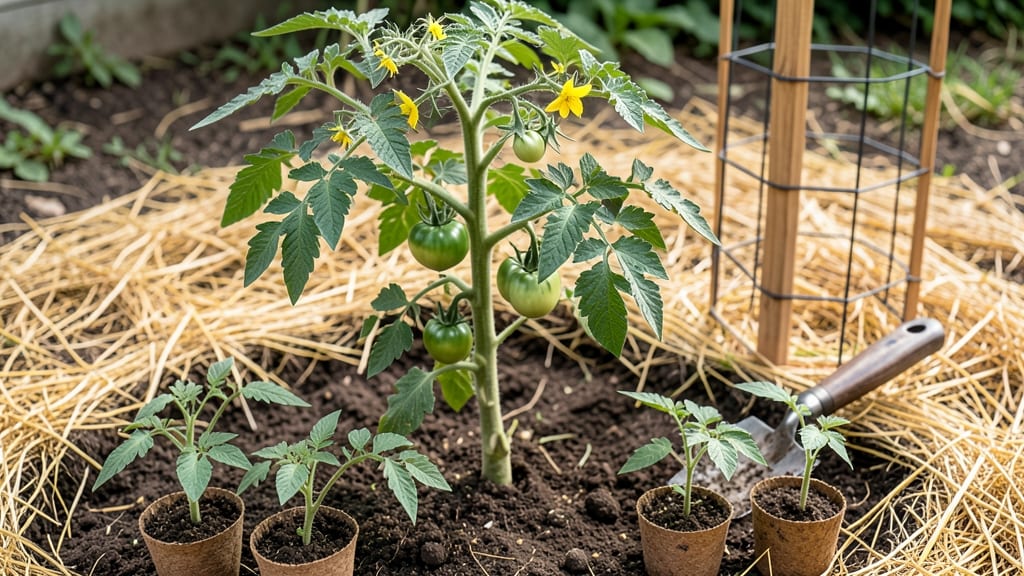
Timing your 🍅 tomato planting in Tennessee can make or break your harvest—get it wrong, and you might end up with stunted plants or worse, no tomatoes at all. The key lies in understanding your local climate, especially since Tennessee’s USDA zones 6a-7b bring unpredictable frost dates and sweltering summers.
Most gardeners in Tennessee start seeds indoors 4-6 weeks before the last frost, which typically falls around mid-April. But don’t rush—waiting until soil temperatures hit at least 60°F ensures healthy root development before transplanting outdoors.
Whether you're in Nashville, Memphis, or Chattanooga, knowing your exact last frost date is the first step to a thriving garden.
In this guide, I’ll break down the best planting windows for your region, including how to adjust for Tennessee’s heat and humidity. You’ll also discover which tomato varieties thrive here and how to extend your harvest season—because a well-timed plant means more homegrown tomatoes from June through October.
Ready to grow a bountiful crop? Let’s dive into the exact dates and tips you need to succeed in Tennessee’s unique growing conditions.
Tennessee planting zones and last frost dates: when to start tomatoes indoors vs. outdoors
Timing your tomato planting in Tennessee depends heavily on your USDA hardiness zone and last frost date. Tennessee spans zones 6a-8a, meaning frost dates vary dramatically from Northwest Tennessee (zone 7a) to East Tennessee mountains (zone 6a). Getting this right ensures your plants thrive, not just survive.
Most Tennessee gardeners aim to plant tomatoes 4-6 weeks after the last frost when soil temperatures reach at least 60°F. This window typically falls between mid-April and early June, but exact dates depend on your location.
For example, Memphis (zone 7b) sees its last frost around March 15, while Nashville (zone 7a) waits until April 1.
Here’s the key: Start indoor seedlings 6-8 weeks before your expected last frost date. This gives them a head start, especially for indeterminate varieties that need more time to mature. For determinate tomatoes, which grow bushier and faster, you can transplant slightly later.
If you’re in zone 6a (East Tennessee), where frosts linger longer, plan to start seeds indoors by late February and transplant after April 15. In zone 8a (Southwest Tennessee), you might even squeeze in a fall planting for late-season harvests!
| Region | USDA Zone | Last Frost Date | Start Indoors | Transplant Outdoors |
|---|---|---|---|---|
| Nashville | 7a | April 1 | Mid-February | Late April |
| Memphis | 7b | March 15 | Late January | Early April |
| Chattanooga | 6b | April 10 | Late February | Early May |
| Knoxville | 6a | April 15 | Late February | Mid-May |
| Jackson | 8a | March 1 | Early February | Late March |
*Dates are averages—check local weather for precision!
For indeterminate varieties like Sungold or Brandywine, which grow continuously, plant early to maximize your harvest. Determinate varieties like Roma or Celebrity can handle later transplanting since they produce fruit in one cycle.
Pro tip: Use a frost date calculator (like the one from Almanac.com) to pinpoint your exact last frost date. This tool accounts for microclimates—like valleys holding frost longer than hilltops—which can shift your planting window by 1-2 weeks.
If you’re unsure about your zone, dig out your soil thermometer and wait until the ground warms to 60°F before planting. Cold soil slows root growth and makes tomatoes prone to disease. In Tennessee’s humid climate, this is especially critical.
Don’t forget: Fall planting is possible in zones 7b-8a! Start seeds indoors in July for a late-summer harvest before the first frost. This works best with heat-tolerant varieties like Heatmaster or Solar Fire.
🌱
How to adjust planting timing for Tennessee’s microclimates and soil conditions
Tennessee’s diverse climate—from the humid lowlands of Memphis to the cooler Appalachian foothills—means planting times can vary by hundreds of miles. Even within USDA zones 6a-7b, microclimates create unique challenges. For example, Nashville’s clay-heavy soil stays cold longer, while East Tennessee’s sandy soils warm up faster in spring.
Adjusting your planting schedule based on these factors can mean the difference between a thriving plant and one struggling to establish roots.
Start by testing your soil’s temperature and pH. Tomatoes thrive in soil that’s at least 60°F, but clay soils in Middle Tennessee may need 2-3 extra weeks to warm up compared to sandy soils in Knoxville.
Use a soil thermometer to monitor progress—this simple tool can save you from transplanting too early. Additionally, Tennessee’s high humidity increases the risk of fungal diseases like early blight, so timing matters even more.
Here’s how to adapt your planting schedule for Tennessee’s most common soil types and microclimates:
Clay soils in Middle Tennessee (e.g., Nashville, Murfreesboro) retain cold and moisture longer. Transplanting tomatoes before soil reaches 60°F can stunt root growth and invite root rot. Wait until late April or early May, even if your last frost was earlier. Use black plastic mulch to warm the soil faster if needed.
For gardeners in high-altitude areas like Chattanooga or the Cumberland Plateau, aim to plant 2 weeks later than the average Tennessee schedule. These regions often experience late spring frosts and cooler nights, which can stress young tomato plants.
If you’re in Zone 6a, consider starting seeds indoors 8 weeks before your last frost to give them a head start.
Humidity also plays a critical role. In southern Tennessee (Memphis, Jackson)**, where summers are hot and muggy, opt for disease-resistant varieties like ‘Celebrity’ or ‘Mountain Merit’ and plant earlier in the season to avoid the peak blight risk in July.
Pair this with staking or cages to improve airflow around foliage, reducing fungal spores.
To extend your harvest season, use row covers or cold frames for early plantings. These tools can push your first planting window back by 2-3 weeks in spring or delay fall harvests by 4-6 weeks.
In Zone 7b, you might even squeeze in a fall crop by planting transplants in late July—just choose determinate varieties that ripen quickly before frost.
Finally, don’t overlook the power of mulching. A 2-3 inch layer of straw or shredded leaves keeps soil moisture consistent and suppresses weeds, which is especially helpful in Tennessee’s unpredictable rainfall patterns. Mulch also moderates soil temperature swings, protecting roots during sudden hot spells or cold snaps.