
Flowers
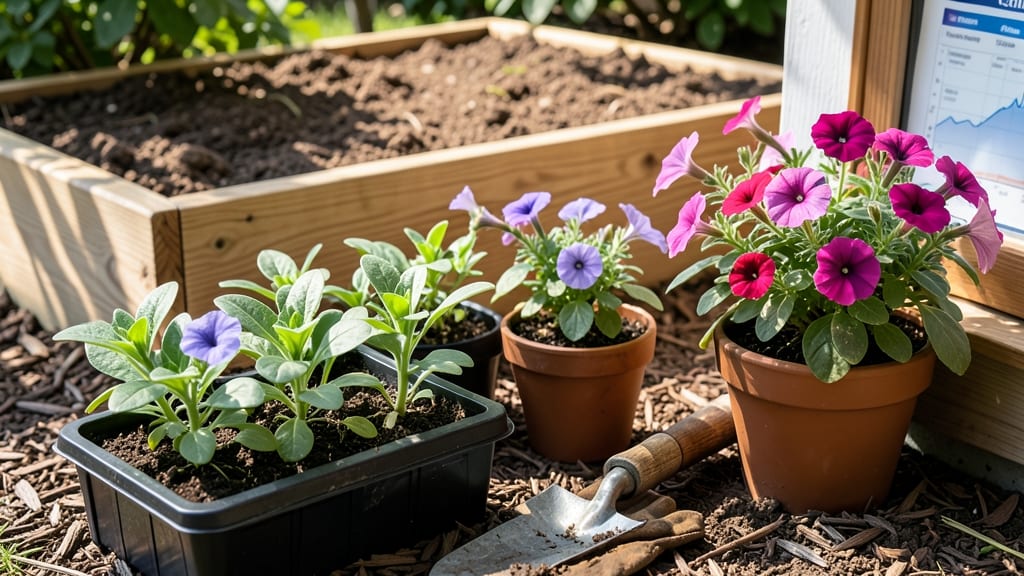
If you’ve ever watched your flowers wilt overnight after a late spring frost in Michigan, you know when it is safe to plant flowers in the state can be tricky.
The last frost can vary wildly—from early May in southern zones to late May or even June in the north—making it hard to pinpoint the perfect timing. Whether you’re planting annuals like marigolds or hardy perennials, understanding your region’s frost patterns is the key to a thriving garden.
I’ve spent years gardening in Michigan’s USDA Zones 5-6, and I’ve learned the hard way that rushing into the garden too soon can mean lost blooms. Whether you’re planting annuals like marigolds or hardy perennials, understanding your region’s frost patterns is the key to a thriving garden.
In this guide, I’ll break down the safe planting windows by region, share tips for extending your season, and help you avoid common mistakes that ruin Michigan flower gardens. Let’s get those 🌱 growing without the frost fears!
From soil prep to frost protection, you’ll discover exactly when—and how—to plant for the most vibrant blooms all season long. No more guesswork, just beautiful results.
Michigan’s last frost dates by region: safe planting windows for flowers
Michigan’s last frost dates are the golden rule for gardeners—plant too soon, and a surprise freeze can devastate your annual flowers and tender perennials. The state spans USDA Zones 5-6, with southern regions like Detroit warming faster than northern areas like Traverse City.
Understanding these regional differences ensures your tulips, petunias, and marigolds thrive.
For Zone 5 (northern Michigan), the average last frost date falls between May 10-20, while Zone 6 (southern Michigan) typically sees frost-free conditions by April 25-May 5. However, these dates are historical averages—always check local forecasts or use Michigan State University Extension resources for real-time updates.
Here’s how to use these dates: Wait until two weeks after the average last frost to plant tender annuals like geraniums or impatiens.
For hardy perennials (e.g., coneflowers, black-eyed Susans), you can plant as early as April 15 in Zone 6 or May 1 in Zone 5, once soil temperatures reach 50°F.
🌱Pro Tip: Use a soil thermometer to confirm readiness—60°F soil is ideal for most flowers. Cold soil slows root growth, leaving plants vulnerable to stress.
Michigan’s late-spring frosts are infamous—even after the average last frost, 30% chance of a 28°F dip exists in May. To hedge your bets, opt for cold-hardy annuals like pansies or snapdragons, which tolerate 25°F temperatures.
For tender perennials (e.g., lavender, rosemary), wait until June 1 in Zone 5 or May 20 in Zone 6.
🌿Regional Exception: Urban areas like Detroit experience microclimates—sidewalks and buildings retain heat, pushing last frosts 1-
How to extend your Michigan flower season: cold-hardy varieties and frost protection tips
Michigan’s short growing season doesn’t mean you have to skip vibrant flowers. By choosing cold-hardy varieties and using smart frost protection, you can enjoy blooms weeks earlier—or later—than traditional planting windows. The key is balancing risk tolerance with season extension techniques tailored to your region.
Southern Michigan (Zone 6) gardeners can often start hardy annuals like pansies or snapdragons as early as late March, while northern areas (Zone 5) should wait until mid-April. The difference? Microclimates and protection methods that shield tender plants from unpredictable late frosts.
✔️ Use frost cloths for 30-50% earlier planting of tender annuals like marigolds or petunias.
✔️ Plant cold-resistant perennials (e.g., coneflowers, black-eyed Susans) in fall for spring blooms.
✔️ Warm soil with black plastic under containers to accelerate germination by 1-2 weeks.
✖️ Plant frost-sensitive flowers (e.g., geraniums, impatiens) before May 15 without protection.
✖️ Skip soil testing—cold soil slows root growth, making plants vulnerable to frost damage.
✖️ Overcrowd seedlings under row covers, which traps excess moisture and causes rot.
For northern Michigan gardeners, focus on perennials like daylilies or coreopsis, which tolerate light frosts once established. In southern Michigan, you can push the envelope with tender annuals like begonias or calibrachoas by using mini greenhouses or heated seedling mats.
Pro tip: Monitor your local frost dates via the Michigan State University Extension or National Weather Service. Their 10-year averages show that Detroit’s last frost typically occurs around April 25, while Traverse City’s can linger until May 10. Adjust your timeline accordingly!
Even with protection, late-spring cold snaps (like the 2018 "May snowstorm" that hit northern Michigan) can still catch gardeners off guard. Always have emergency row covers on hand and avoid planting heat-loving flowers (e.g., lantana) until after Memorial Day.
With the right cold-hardy choices and frost protection, you can enjoy continuous blooms from May through October—no matter where in Michigan you garden. Start small, test methods, and expand your seasonal variety each year!