
Flowers
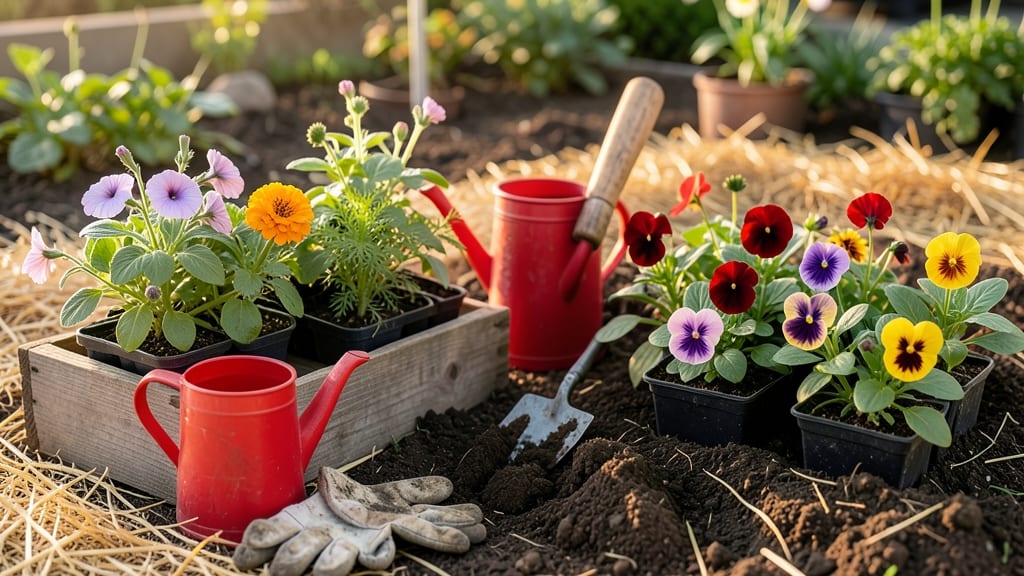
If you’ve ever wondered when you can plant flowers in Michigan, you know timing is everything in the state’s 🌸 floral gardens.
The state’s USDA zones 5-6 mean planting too early can turn your spring dreams into sad, frozen memories—but getting it right unlocks gardens bursting with color from June through October.
Most Michigan gardeners wait until mid-April to mid-May for their first planting window, once the last frost has passed and soil warms to 50°F. But here’s the catch: tender annuals like marigolds or zinnias need even warmer soil, while hardy perennials like coneflowers can handle cooler starts.
We’ll break down the exact deadlines for your zone, plus how to stretch your growing season with simple tricks.
Did you know fall planting (August-September) can give you a head start on next year’s blooms? Or that Detroit’s urban heat island effect might let you plant 2 weeks earlier than rural areas?
These insider tips—backed by Michigan State University research—will help you avoid common mistakes and maximize your garden’s potential.
Ready to turn your yard into a year-round floral show? Let’s dive into the precise planting schedule that’ll keep your 🌸 flowers thriving, no matter where in Michigan you’re gardening.
Michigan flower planting deadlines by USDA hardiness zones (5-6)
Michigan spans USDA zones 5b (northern regions like the Upper Peninsula) and 6a (southern areas like Detroit). These zones dictate your last frost dates, which are critical for planting flowers successfully.
In zone 5b, expect your average last frost around May 15, while zone 6a typically sees frost-free conditions by April 20. However, these dates can shift 1-2 weeks earlier or later depending on microclimates.
For example, urban areas like Ann Arbor often warm up faster than rural spots due to the "urban heat island" effect. Always check local frost data from Michigan State University Extension or the National Weather Service for precise timing.
Planting too early risks frost damage, while waiting too long can shorten your blooming season.
Here’s a quick reference for Michigan’s frost-free windows by zone, including ideal planting periods for annuals, perennials, and bulbs:
| Zone | Last Frost Date | Ideal Planting Window | First Frost Date | Notes |
|---|---|---|---|---|
| Zone 5b (Northern MI) | May 15 | May 15–June 1 | October 5 | Longer growing season; use row covers for early starts. |
| Zone 6a (Southern MI) | April 20 | April 25–May 10 | October 15 | Warmer microclimates; start tender annuals earlier. |
Perennials like coneflowers and black-eyed Susans can handle cooler soil and often tolerate light frosts, so you can plant them as early as April 1 in zone 6a. However, tender annuals like marigolds or zinnias need to wait until soil reaches 50°F (10°C), usually 2 weeks after your last frost.
Use a soil thermometer to confirm readiness—cold soil can stunt growth.
Bulbs like tulips and daffodils are planted in fall (September–October), but their blooming time depends on when you plant. For spring color, aim to plant bulbs 6–8 weeks before the ground freezes.
In zone 5b, this means late September, while zone 6a can extend to early October. Overwintering bulbs need consistent moisture and mulch protection to survive Michigan’s winters.
Heatwaves can also disrupt planting. If temperatures spike above 85°F (29°C) before your flowers are established, use shade cloth or plant in partial shade to prevent stress. Southern Michigan’s zone 6a areas may experience earlier heat stress, so prioritize heat-tolerant varieties like lantana or salvia if planting early.
Pro tip: Mark your calendar with three key dates—your last frost date, soil warming date (50°F), and first frost date. Adjust for elevated garden beds, which warm up faster than in-ground soil.
For example, raised beds in zone 5b might be ready for planting 1 week earlier than traditional beds.
Always monitor local weather forecasts in the weeks leading up to planting. A late frost in April can delay your schedule by 2–3 weeks, so stay flexible. With the right timing, your Michigan garden can burst into color from May through October, even in cooler zones.
🌱
Best flowers to plant in Michigan by season (with exact months)
Michigan’s 🌸 flower gardens thrive when you match varieties to their ideal planting windows. Cool-season flowers like pansies and snapdragons can handle Michigan’s chilly springs, while heat-loving marigolds and zinnias need warmer soil.
Here’s my breakdown of when to plant each type for maximum blooms—plus regional tweaks for Detroit’s urban heat vs. Traverse City’s cooler climate.
For cool-season flowers, start seeds indoors by mid-March and transplant after the last frost (typically mid-April). Pansies and violas, for example, can even handle light frosts once established, making them perfect for early spring color.
In zone 6a (southern Michigan), you might push these to March 15, but in zone 5b (Upper Peninsula), wait until April 15 to avoid frost damage.
🌱 Seasonal Flower Planting Timeline
- 🌱 March 15: Start cool-season flowers indoors (pansies, snapdragons).
- 🌿 April 15: Transplant cool-season flowers after last frost (zone 5b).
- ☀️ May 1: Plant heat-loving annuals (marigolds, zinnias, petunias).
- 🌸 June 15: Sow summer-blooming perennials (coneflowers, black-eyed Susans).
- 🌱 August 15: Start fall flowers (mums, asters) and plant bulbs for spring.
- 🍂 September 15: Harden off tender perennials for winter.
Summer-blooming annuals like zinnias and cosmos need warmer soil, so wait until after May 1 in most of Michigan. These varieties thrive in full sun and can handle our hot summers, but they’ll bolt if planted too early.
Pro tip: In Detroit’s urban heat island, you can plant these 1-2 weeks earlier than rural areas, thanks to warmer microclimates.
Don’t overlook perennials like cone flowers and black-eyed Susans, which establish roots in spring but bloom in late summer. Plant these in May or early June for best results. They’re drought-tolerant once established, making them low-maintenance choices for Michigan’s variable rainfall.
For bulbs, timing is key: Plant tulips and daffodils in fall (October) for spring blooms, but fall-planted bulbs like crocuses can go in as early as September. In colder zones (5b), wait until late September to avoid winter heaving.
Fall planting (August-September) gives you a head start on next year’s blooms. Try mums or asters for late-season color, and don’t forget spring-blooming bulbs like tulips. In zone 6a, you can even plant pansies in late summer for winter interest.
Remember: Michigan’s 🌡️ frost dates vary by 2-3 weeks across the state. Always check your local MSU Extension frost maps before planting. With these seasonal guidelines, your garden will bloom from spring through fall—no frost disasters in sight!