
Flowers
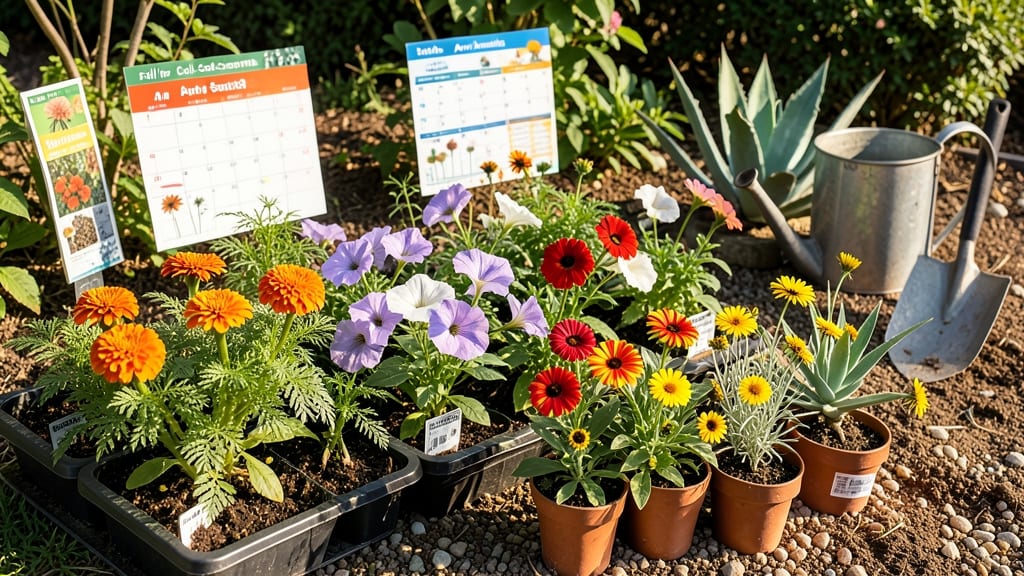
When to plant flowers in Arizona is the first step to creating a thriving garden in the desert, where the right timing can mean the difference between a lush display and a sad, sun-scorched failure. The key to success? Planting during Arizona's cooler months—from September through March—when the soil stays workable and the scorching heat has taken a backseat.
Skipping the summer planting rush isn't just about avoiding wilting—it's about giving your flowers the best chance to establish strong roots before the real heat kicks in.
Whether you're a seasoned gardener or just starting, knowing the exact window for planting can mean the difference between a garden that thrives and one that struggles.
In this guide, I’ll walk you through the ideal months to plant everything from heat-resistant annuals to hardy perennials, tailored specifically for Arizona’s unique climate. You’ll also discover how to adjust your schedule based on your local microclimate—because not all parts of the state behave the same way.
Ready to transform your outdoor space into a blooming paradise? Let’s dive into the best practices for planting flowers in Arizona, so you can enjoy a garden that’s as resilient as it is beautiful.
Arizona flower planting calendar: month-by-month guide for desert climates
Arizona’s USDA Zone 9b climate demands precise timing to avoid 110°F+ heat that can fry tender seedlings. The key is planting when soil temps stay below 85°F—typically September through March—while aligning with monsoon season’s moisture.
I’ve broken this down by month to help you maximize blooms without the stress.
Fall planting (September–November) is my top recommendation because cooler nights and reliable rainfall give roots time to establish before summer’s fury. For annuals like zinnias or perennials like desert marigolds, aim for late August to early October—just before the first frost risk in December.
Bulbs like paperwhites can even handle December planting for spring color.
Here’s your month-by-month survival guide, including heat tolerance ratings for popular Arizona flowers. The table below shows when to sow seeds, transplant seedlings, or direct-sow for best results.
| Month | Action | Best Flowers | Heat Tolerance | Notes |
|---|---|---|---|---|
| September | Sow seeds / Transplant | Marigolds, Zinnias, Sunflowers | High (9/10) | Soil temps drop below 85°F; monsoon moisture helps. |
| October | Transplant / Direct-sow | Blanket Flower, Lantana, Pentas | Very High (10/10) | Ideal for perennials; mulch to retain moisture. |
| November | Bulbs / Cool-season annuals | Snapdragons, Pansies, Paperwhites | Moderate (6/10) | Protect from late frosts with row covers. |
| December | Bulbs only (indoor starts) | Tulips, Daffodils, Hyacinths | Low (3/10) | Avoid outdoor planting; frost risk in high desert. |
| January | Prep soil / Start seeds indoors | Petunias, Geraniums, Coleus | Moderate (5/10) | Wait until after last frost (varies by elevation). |
| February | Transplant cool-season flowers | Sweet Alyssum, Calendula, Stock | Moderate (6/10) | Use shade cloth for afternoon sun protection. |
| March | Direct-sow heat lovers | Portulaca, Desert Marigold, Gaillardia | Very High (10/10) | Best month for summer-blooming annuals. |
Spring planting (March–May) is your second-best window, but act fast—April temps can spike to 100°F by midday. I recommend direct-sowing seeds like portulaca or blanket flower in well-draining cactus soil to prevent rot. For transplants, harden off
Top 7 heat-resistant flowers that thrive in Arizona’s climate
Arizona’s intense sun and low humidity demand flowers that can handle the heat without wilting. The good news? Many native and adapted varieties not only survive but thrive in these conditions.
I’ve handpicked 7 standout flowers that require minimal water once established and bloom prolifically in Arizona’s USDA Zones 7b-10a.
These drought-tolerant beauties are perfect for xeriscaping or adding pops of color to your desert landscape. From blanket flowers to desert marigolds, each variety brings unique textures and hues while demanding little maintenance. Let’s explore the best heat-resistant flowers for your Arizona garden.
🌱 Heat-Resistant Flower Ratings
Each of these heat-loving flowers offers something special—whether it’s year-round blooms, butterfly attraction, or near-zero water requirements. For best results, plant them in well-draining soil with full sun exposure and mulch heavily to retain moisture during Arizona’s scorching summers.
Pro tip: Deadhead spent blooms regularly to encourage continuous flowering, especially with annual varieties like Lantana and Mexican Sunflower. This simple step can extend your blooming season by several weeks, giving you vibrant color from spring through fall.
Ready to transform your garden? Start with 3-5 of these varieties for a low-maintenance, high-impact display that will make your neighbors green with envy—literally! 🌿