
Flowers
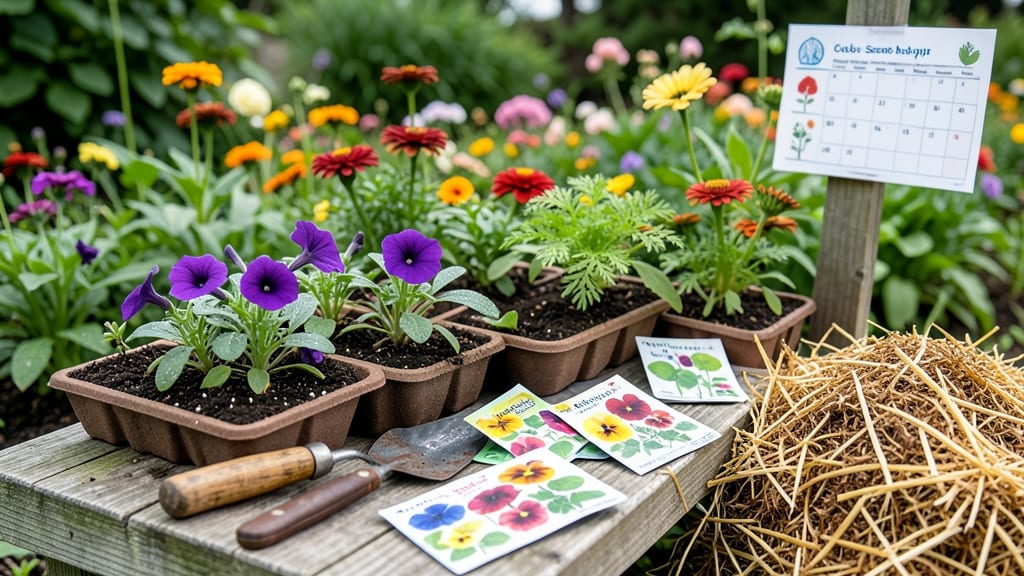
When to plant flowers in Pennsylvania isn’t just about checking a calendar—it’s about outsmarting Mother Nature’s unpredictable mood swings. One wrong move, and frost could turn your vibrant blooms into sad, wilted memories before they even get a chance to shine. But here’s the good news: with the right timing, you can transform your garden into a year-round floral paradise, even in PA’s 5a-7a zones where winters linger and summers can’t decide if they’re hot or humid.
Picture this: you’re sipping your morning coffee, watching 🌸 daylilies burst into color just as peonies finish their spring show. That’s the magic of planting flowers at the perfect moment—whether it’s after the last frost in mid-April or 4-6 weeks before the first frost in October.
The key isn’t just knowing when to plant; it’s understanding how your microclimate—whether you’re in Pittsburgh’s urban heat or the Poconos’ cooler valleys—can shift those windows by weeks.
I’ve spent years testing what works in PA gardens, and what I’m about to share will help you avoid the most common mistakes.
We’ll break down exactly which flowers thrive in spring, which beg for a fall start, and how to stretch your blooming season with cold-hardy picks like pansies or sweet alyssum. No more guessing—just flawless timing for a garden that steals the show, no matter the season.
Ready to turn your green thumb into a year-round masterpiece? Let’s dive into the month-by-month planting schedule that’ll have your neighbors green with envy—and not just from jealousy. Your garden’s best blooms start with the right move at the right time.
Pennsylvania flower planting calendar by USDA hardiness zones
Pennsylvania spans USDA zones 5a through 7a, meaning frost dates vary dramatically from the Poconos Mountains to Philadelphia’s urban heat islands. To maximize bloom success, align your planting schedule with your specific zone’s last spring frost (typically mid-April) and first fall frost (usually mid-October).
For annual flowers, aim to plant 2-4 weeks after your area’s last frost date. Perennials can often handle earlier spring planting (as soon as soil is workable), while tender bulbs like dahlias should wait until after Memorial Day to avoid frost damage.
Let’s break it down by zone and flower type.
🌱 PRO TIP: Use a soil thermometer to confirm 50°F soil temps before planting—this prevents cold damage even after frost risk passes.
| Zone | Last Frost | First Frost | Best Spring Planting | Fall Planting Window | Example Flowers |
|---|---|---|---|---|---|
| 5a (Poconos, NE PA) | May 15 | Sept 20 | May 20–June 1 | Aug 1–Sept 15 | Peonies, Black-Eyed Susans, Coneflowers |
| 6a (Pittsburgh, State College) | April 25 | Oct 5 | April 30–May 15 | Aug 15–Sept 30 | Daylilies, Coreopsis, Marigolds |
| 6b (Harrisburg, Lancaster) | April 15 | Oct 15 | April 20–May 10 | Aug 20–Oct 1 | Petunias, Zinnias, Snapdragons |
| 7a (Philadelphia, SE PA) | April 5 | Nov 1 | April 10–May 5 | Sept 1–Oct 15 | Geraniums, Salvia, Black-Eyed Susans |
*Frost dates are averages—check local almanac data for your exact location.
For Philadelphia gardeners, you can push the envelope with heat-loving annuals like sunflowers or cosmos as early as late March in containers, but wait until after April 15 for in-ground planting. Meanwhile, mountain regions like the Poconos should delay until mid-May to avoid late frosts.
Microclimate adjustments: how elevation and urban heat islands change planting times
Pennsylvania’s diverse geography means your planting schedule should depend on more than just the calendar—it’s about where you live. Whether you’re nestled in the Allegheny Mountains or gardening in Philadelphia’s urban heat, microclimates can shift frost dates by 2-4 weeks.
For example, Pittsburgh’s Zone 6a might see its last frost in early April, while the Poconos’ Zone 5b could still have frost lingering into May. These differences aren’t just academic; they determine whether your daylilies or black-eyed Susans will thrive or wither.
Urban areas like Harrisburg or Allentown experience the urban heat island effect, where pavement and buildings trap heat, delaying first frosts by up to 10 days. This means city gardeners can plant marigolds or zinnias slightly later than their rural counterparts.
Conversely, high-elevation spots like the Lackawanna Valley may need to wait until mid-May to plant heat-loving annuals like geraniums, which struggle in cooler soils.
🌿
| Microclimate Type | Last Frost Date | First Frost Date | Adjustment for Planting |
|---|---|---|---|
| Urban Heat Islands (Philadelphia, Pittsburgh) | Late April - Early May | Mid-October | Plant annuals 7-10 days later than zone average |
| Mountain Valleys (Poconos, Allegheny Plateau) | Mid-May | Early October | Plant perennials 2-3 weeks earlier for cooler soils |
| Rural Farmland (Lancaster, York) | Early April | Late October | Follow standard zone guidelines |
| Containers (Balconies, Patios) | Late May (soil warms slower) | Early October (earlier frost risk) | Use row covers to extend season by 2-3 weeks |
Containers add another layer of complexity. Potted plants in shaded patios or north-facing balconies may need to wait until late May to plant, as their soil heats up more slowly than in-ground beds. Meanwhile, south-facing containers can often be planted 2 weeks earlier because they absorb heat.
If you’re growing petunias or begonias in pots, consider using black plastic containers, which absorb heat faster and can give you an extra 10-14 days of growing time.
Shade also plays a role. Gardens under large trees or dense shrubs may never get the 6+ hours of sun needed for sun-loving annuals like sunflowers or coneflowers.
In these spots, opt for shade-tolerant perennials like hostas or coleus, which can be planted as early as mid-April in most PA zones.
For sun-lovers, create a microclimate of your own by planting them in raised beds, which warm up faster and can be planted 1-2 weeks earlier than in-ground soil.
🌳
Don’t let these microclimate quirks overwhelm you—think of them as tools. Use frost cloth to push back early frosts in urban areas or mulch heavily in mountain valleys to insulate roots. For containers, move them to warmer microclimates during cool snaps.
With these adjustments, you’ll turn PA’s unpredictable climate into an advantage, ensuring your flowers bloom on schedule no matter where you garden.