
Flowers
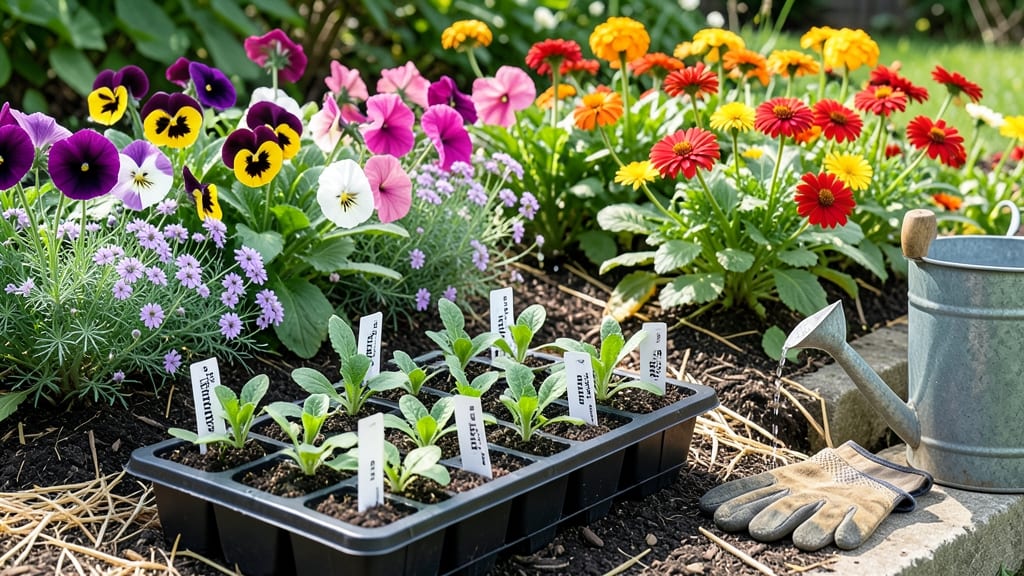
Timing your spring flower planting can mean the difference between a showstopping garden and a sad, frost-nipped disappointment. Whether you're in Zone 6a or another region, getting those 🌸 in the ground at the right moment is the key to vibrant blooms all season.
Most gardeners make one of two mistakes: planting too early and risking frost damage, or waiting too late and missing peak bloom time. I've seen both scenarios firsthand, and the results aren't pretty.
The good news? With just a little planning, you can avoid these common pitfalls and create a garden that bursts with color.
In this guide, I'll walk you through exactly when to plant your spring flowers based on your specific zone. We'll cover everything from checking last frost dates to selecting the perfect varieties for your climate.
By the end, you'll know exactly when to grab those trowels and get planting for a garden that steals the show.
The secret to stunning spring blooms starts with understanding your local conditions and working with them. Let's dive into the zone-specific deadlines that will have your garden looking like a professional display by summer. You'll be amazed at how much difference the right timing can make!
Spring flower planting deadlines by USDA hardiness zones
Timing your spring flower planting is like hitting a moving target—too early and frost nips tender seedlings, too late and you miss peak blooms. Your USDA hardiness zone dictates the perfect window, but regional microclimates (like coastal vs. inland) can shift those deadlines by weeks.
Let’s break it down so you can plant with confidence, whether you’re in frost-prone Zone 3 or balmy Zone 10.
Most gardeners rely on the last average frost date as their planting cue, but bulbs and cold-hardy perennials often buck that rule.
For example, tulip bulbs in Zone 5 can go in the ground as early as October, while heat-loving marigolds in Zone 9 shouldn’t hit the soil until March. The key? Know your frost-free days and adjust for your local climate quirks.
| Zone | Last Frost Date | Ideal Planting Window | Notes |
|---|---|---|---|
| 3-4 | Mid-May | Late May to early June | Wait until soil warms to 55°F; use row covers for early starts. |
| 5-6 | Early April | Mid-April to mid-May | Pansies and snapdragons tolerate light frost; harden off seedlings. |
| 7-8 | Mid-March | Early March to April | Plant heat-lovers like zinnias after March 15; mulch to retain moisture. |
| 9-10 | Late January | February to March | Avoid summer heat; choose drought-tolerant varieties like lantana. |
For annual flowers, aim to plant 2–4 weeks before your last frost date, but adjust for your specific climate.
In Zone 7, for instance, I’ve seen marigolds planted as early as March 1 in protected beds, while zinnias wait until April 15 to avoid leggy growth. Perennials like peonies or daylilies, however, can handle cooler soil and often go in the ground 4–6 weeks before your last frost.
Don’t overlook bulbs and tubers, which have their own rules. Daffodils in Zone 4 can be planted in October, while canas in Zone 8 wait until February.
The general rule? Plant bulbs 6–8 weeks before your first hard frost. Use a bulb planting calculator to nail the timing—overlapping bloom seasons ensures year-round color.
If you’re in a transition zone (like Zone 7b), err on the side of caution. I’ve learned the hard way that a late frost in April can wipe out tender seedlings. Start heat-loving annuals indoors 6–8 weeks before your last frost, or use biodegradable pots to transplant shock-free.
For cold-hardy varieties like calendulas, direct-sow after soil reaches 50°F, even if frost is still possible.
Regional tweaks matter too. In the Pacific Northwest, where springs are cool and wet, I delay planting until May 1 to avoid fungal diseases. Meanwhile, in the Deep South, where winters are mild, I plant spring bulbs in December for early blooms.
Always monitor soil temperature—a soil thermometer is your best friend here.
One common mistake? Planting too late for fall-blooming perennials like chrysanthemums. These need 8–10 weeks to establish roots before winter. If you miss the window, opt for potted varieties or start with cuttings. Conversely, planting too early risks rot in cold, wet soil—always wait until the ground is workable.
For container gardening, timing shifts slightly. Potted flowers warm up faster, so you can plant 2–3 weeks earlier than in-ground varieties. Just ensure your containers have drainage holes and use lightweight potting mix to prevent overheating.
In my Zone 6a garden, I’ve had success planting petunias in containers by April 1, while in-ground petunias wait until May 1.
Finally, keep an eye on moon phases if you’re a traditionalist—planting during the waxing moon (when the moon is growing) is said to encourage root growth. While science doesn’t back this up, it’s a fun way to align your gardening with nature’s cycles.
Pair your planting with a mulch layer to lock in moisture and regulate soil temperature—this small step can extend your planting window by 1–2 weeks.
How to adjust planting dates for early vs. late spring weather
Spring weather can be as unpredictable as a temperamental gardener! If you've ever planted your spring flowers only to have a late frost nip them, or waited too long and missed peak blooms, you know how frustrating it can be.
The key to success lies in adjusting your planting dates based on your local weather patterns. Whether you're dealing with an early warm spell or a late cold snap, knowing how to adapt will give your garden the best chance to thrive.
One of the first things I learned as a gardener is that last frost dates are just guidelines—not gospel. While they provide a solid starting point, your actual planting window can shift by weeks depending on your region's microclimate.
For example, coastal areas often experience milder springs, while inland regions can swing between freezing nights and scorching days. Understanding these variations is what separates a struggling garden from a showstopping one.
Here’s how I adjust my planting schedule when spring behaves unpredictably. First, I always have a backup plan for late frosts. Whether it’s using row covers or a simple cold frame, protecting tender plants can extend your growing season by weeks.
I’ve even used old plastic bins with lids to shield seedlings from unexpected chills. The goal is to give your flowers a fighting chance while the soil warms up naturally.
- 1 Monitor soil temperature—use a soil thermometer to ensure it’s at least 60°F (15°C) before planting warm-season flowers like marigolds or zinnias. Cold soil can stunt growth, even if air temperatures seem mild.
- 2 Choose heat-tolerant varieties for late springs. Flowers like cosmos and sunflowers thrive in warmer conditions and can handle being planted a bit later than traditional spring bloomers.
- 3 Start cool-season flowers indoors or under grow lights 6-8 weeks before your last frost date. This gives them a head start and reduces the risk of transplant shock when moved outdoors.
- 4 Use row covers or cloches to protect seedlings from late frosts. A simple floating row cover can raise soil temperatures by 5-8°F and shield plants from light frosts, buying you extra time to establish your garden.
- 5 Plant succession crops for continuous blooms. If early spring is slow, start with pansies or snapdragons, then follow up with petunias or geraniums as temperatures rise. This ensures your garden never looks bare.
Another trick I swear by is staggering my planting dates. Instead of planting everything at once, I spread out my flowers in two-week intervals. This way, if one batch gets hit by a late frost, the others are still safe.
For example, I’ll plant hardy annuals like sweet alyssum in early spring, followed by tender varieties like impatiens a few weeks later. By the time the impatiens are ready to go in, the soil is warm enough to support their growth.
Don’t forget to observe your local weather patterns over the years. If you notice that your area tends to have late springs, plan accordingly.
For instance, in Zone 5, where I garden, I’ve learned to wait until late May to plant tomato plants and peppers, even though the last frost date is usually in mid-April.
Trust me, a few extra weeks of patience can save you from a lot of heartache—and wasted plants!
Finally, always keep an eye on the 10-day forecast before making major planting decisions. If a cold snap is predicted, delay planting tender flowers until the threat has passed.
And if an early heatwave is on the horizon, opt for shade-tolerant varieties like coleus or begonias to keep your garden looking its best. With these adjustments, you’ll be well on your way to a garden that blooms beautifully, no matter what spring throws at you. 🌷