
Flowers
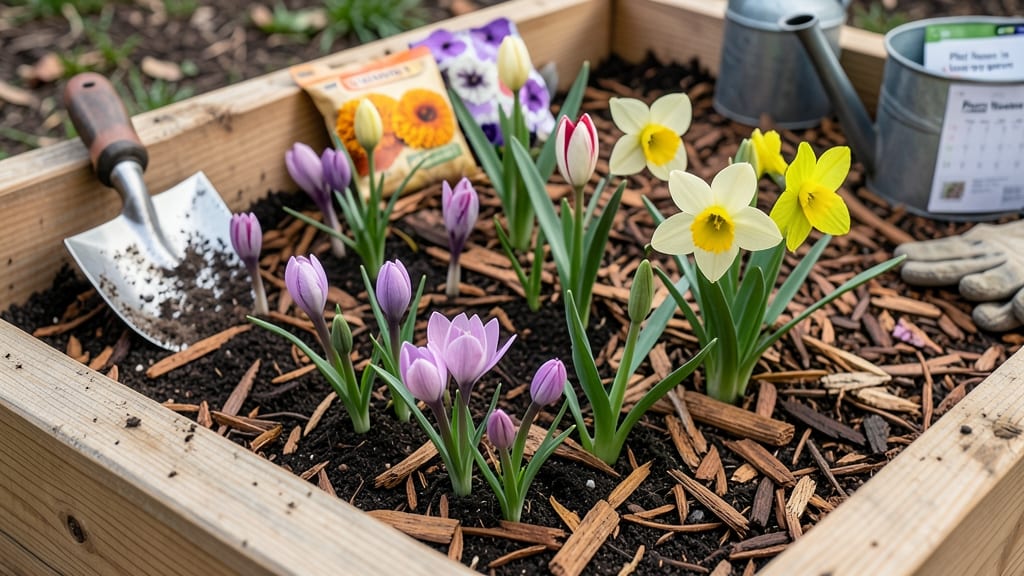
Timing when to plant flowers in Chicago just right could mean the difference between a garden that bursts with color and one that struggles through the city’s infamous weather shifts. With Zone 5b-6a winters and unpredictable spring frosts, knowing when to plant your 🌸 isn’t just helpful—it’s essential for success.
You’ve probably heard the general advice about spring planting, but Chicago’s climate demands a more precise approach. The key lies in understanding two critical windows: late March through mid-May for spring blooms and August through September for fall planting.
These periods align with the city’s last and first frost dates, giving your flowers the best chance to thrive.
What you’ll discover here is how to navigate Chicago’s unique growing conditions—from adjusting for Lake Michigan’s microclimates to choosing the right flowers for each season.
Whether you’re a seasoned gardener or just starting, these insights will help you avoid common mistakes and create a vibrant garden that lasts from spring to fall.
Let’s dive into the exact planting schedule that works for Chicago’s climate, so you can enjoy blooms that outlast the city’s ever-changing weather patterns. Your garden’s success starts with the right timing—and we’ve got you covered.
Chicago’s best flower planting calendar: spring deadlines by hardiness
Chicago’s Zone 5b-6a climate demands precision when planting flowers—miss the window, and you risk frost damage or stunted growth. The average last frost date is April 15, but Lake Michigan’s microclimates can delay it by 1-2 weeks in northern neighborhoods.
Start planning now to align your spring blooms with nature’s timeline.
For cool-season flowers like pansies and snapdragons, you can plant as early as late March if soil temperatures stay above 40°F. These hardy varieties tolerate light frosts, making them ideal for Chicago’s false spring surprises. Use row covers if nighttime temps dip below 30°F to protect tender seedlings.
🌱
| Plant Type | Best Planting Window | Notes |
|---|---|---|
| Bulbs (Tulips, Daffodils) | October 1 - November 15 | Plant 6-8 weeks before first frost for spring blooms. |
| Perennials (Coneflower, Black-Eyed Susan) | April 1 - May 15 | Establish roots 4-6 weeks before last frost. |
| Annuals (Marigolds, Petunias) | May 1 - June 1 (after last frost) | Wait until soil is 60°F+ to avoid cold damage. |
| Cool-Season Annuals (Pansies, Snapdragons) | March 15 - April 30 | Tolerate light frosts but avoid heavy freezes. |
| Vegetative Starts (Coleus, Begonias) | May 15 - June 10 | Hardier than seeds; transplant after soil warms. |
If you’re planting seeds directly, start 4-6 weeks before your target transplant date indoors. For example, sow zinnia seeds by March 1 to transplant outdoors by April 15. Use a grow light to supplement Chicago’s short spring daylight hours (12-14 hours max) and prevent leggy seedlings.
For container gardens, extend your planting window by 1-2 weeks—pots warm up faster than soil. Place containers in south-facing spots to maximize heat absorption and protect from wind chill. Add a heat mat under trays to jumpstart germination for slow starters like lobelia or sweet alyssum.
🌿
Chicago’s Lake Michigan effect creates cooler, wetter conditions near the shore. Inland areas like O’Hare or the southwest side experience warmer microclimates, allowing you to plant 2-3 days earlier.
Monitor local Almanac frost predictions and adjust timelines accordingly—this year’s false spring in March could fool you into planting too soon.
Pro tip: Test your soil temperature with a soil thermometer before planting. Most warm-season annuals (like geraniums) need soil at 60°F+, while cool-season crops thrive at 40-50°F. If temps drop unexpectedly, cover seedlings with frost cloth or move containers to sheltered spots.
🪴
Don’t forget to harden off seedlings before transplanting! Gradually expose them to outdoor conditions over 7-10 days to avoid shock. Start with 2-3 hours daily in a shaded, wind-protected area, then increase exposure.
This step is critical for tender annuals like impatiens, which wilt quickly in Chicago’s windy conditions.
Finally, mulch after planting to retain moisture and regulate soil temperature. Use 2-3 inches of straw or shredded leaves—just avoid piling it against stems to prevent rot. This simple step can mean the difference between thriving blooms and struggling seedlings in Chicago’s unpredictable spring.
☀️
Fall planting strategies for Zone 5 flowers: extend your bloom season
Fall planting is your secret weapon for beating Chicago’s harsh winters—pansies, calendula, and ornamental kale thrive when planted in August and September, often blooming until snow flies. Unlike spring, fall’s cooler temps mean less stress on roots as they establish before dormancy.
The key? Planting 6-8 weeks before the first frost (typically by September 30) gives flowers time to root deeply before winter sets in.
Chicago’s Zone 5b-6a climate rewards fall planters with longer bloom seasons and fewer pests. Hardy annuals like marigolds and snapdragons planted in late summer can survive light frosts, while perennials (e.g., coneflowers) benefit from fall’s moisture.
Just avoid planting tender annuals like petunias after mid-September—they won’t survive our October 15 first frost.
⚠️ Fall Planting Pros & Cons
- Cooler soil reduces shock
- Fewer pests than spring
- Established roots handle winter better
- Early spring blooms next year
- Late frosts can kill tender plants
- Shorter daylight slows growth
- Disease risk from wet fall soil
- Limited variety of cold-hardy options
To maximize success, test soil temperature—ideal fall planting occurs when soil is 50–65°F, typically by mid-August. Amend with compost to improve drainage, and mulch heavily (3–4 inches) with straw or shredded leaves to insulate roots.
For container gardens, use heat-retaining pots and move them to sheltered spots before frost. Pansies and violas are top picks—they bloom in 4–6 weeks and tolerate 20°F!
Protect delicate fall plantings with row covers or frost cloth if temperatures dip below 28°F. Avoid over-fertilizing in late fall—stop feeding 6 weeks before frost to encourage dormancy.
Instead, focus on watering deeply (every 5–7 days) until the ground freezes. Ornamental kale and Swiss chard are foolproof choices—they add color and texture well into winter.
Timing is everything: August 15–September 15 is prime for perennials, while September 15–30 works for hardy annuals. Use Chicago’s frost-free date calculator (like the [Midwest Regional Climate Center](https://mrcc.illinois.edu)) to fine-tune your schedule.
With the right prep, your fall garden can outlast winter and greet spring with bold, healthy blooms.
Don’t forget to deadhead spent flowers in fall—they’ll reward you with earlier spring blooms next year. And if you’re lucky, pansies might even survive winter to brighten your garden in March! 🌷