
Plants
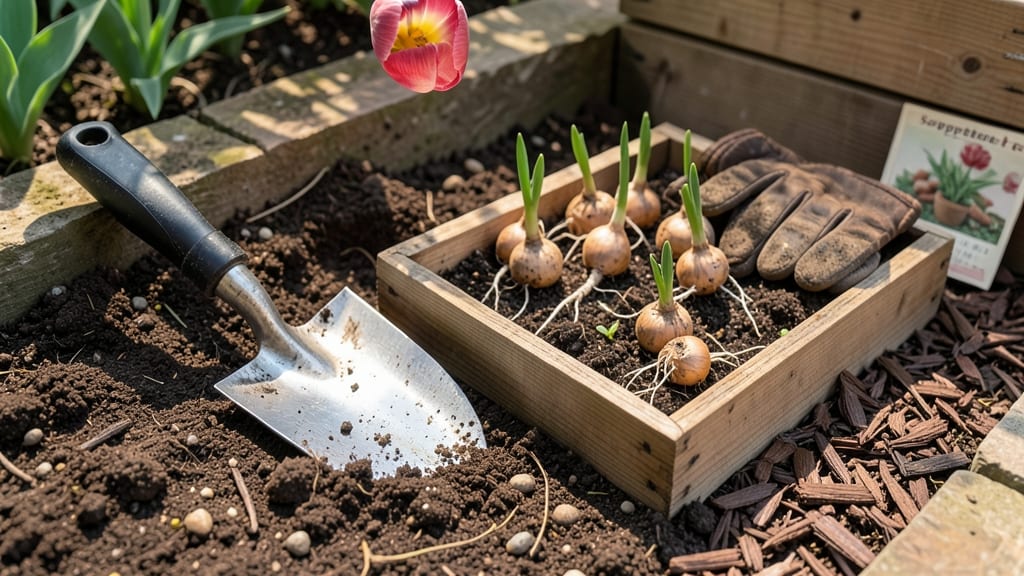
Timing your bulbs (General) 🌱 planting in Zone 6 isn't just about picking a random fall day—it’s the difference between a garden bursting with color and one that barely puts up a fight.
The key? Planting when soil temperatures dip into the 50-60°F range, usually between mid-October and early November, giving roots time to establish before winter sets in.
Most gardeners in Zone 6a/6b rush planting because they think "fall" means any day after Labor Day—but that’s a recipe for disappointment.
Tulips, daffodils, and other bulbs (General) need 6-8 weeks of cool soil to form strong roots, so waiting until after the first frost (or even later) can leave them struggling to bloom come spring.
Here’s the secret: Soil temperature matters more than air temperature. Use a soil thermometer to check—if it’s consistently below 60°F, it’s time to dig in. And don’t worry if you miss the window; early spring planting (March-April) works too, but your blooms may arrive a bit later.
I’ll break down the exact dates for each bulb type, plus how to adjust for early or late frosts—so you can turn your Zone 6 yard into a springtime showstopper without the guesswork.
Zone 6 bulb planting calendar: exact fall dates by bulb type
Timing is everything when planting bulbs in Zone 6. The key window spans from late September to mid-November, but the exact dates depend on both air temperature and soil temperature—not just the calendar.
Most gardeners aim to plant 6-8 weeks before the first hard frost, which typically hits mid-October in Zone 6a and late October in Zone 6b. This timing ensures bulbs establish roots before winter dormancy begins.
For spring-blooming bulbs like tulips and daffodils, fall planting is critical. These bulbs need cold exposure to trigger flowering, a process called vernalization. Planting too early (e.g., August) risks rot, while planting too late (e.g., December) may leave bulbs vulnerable to frost heave.
The ideal soil temperature for planting is between 40°F and 60°F—a sweet spot that balances root growth and frost protection.
Here’s the breakdown of optimal planting windows for popular bulbs in Zone 6, along with soil prep tips to maximize success:
| Bulb Type | Zone 6 Planting Window | Soil Temp for Planting | Depth | Spacing |
|---|---|---|---|---|
| Tulips | Late September–mid-November | 40°F–60°F | 6–8 inches | 4–6 inches apart |
| Daffodils | October–early November | 45°F–55°F | 6–8 inches | 3–6 inches apart |
| Hyacinths | Late September–October | 40°F–50°F | 6 inches | 4–5 inches apart |
| Alliums | October–November | 40°F–60°F | 6–8 inches | 6–12 inches apart |
| Crocus | September–October | 40°F–50°F | 3–4 inches | 2–3 inches apart |
Before planting, amend your soil with compost or aged manure to improve drainage—bulbs rot in soggy soil. Aim for well-draining soil with a pH between 6.0 and 7.0. If your soil is heavy clay, mix in sand or perlite to prevent waterlogging.
I always test my soil’s moisture retention by squeezing a handful; if it stays clumped, it’s too dense.
For early bloomers like crocus, plant in September to give them a head start. These hardy bulbs tolerate cooler soil and often push through snow for early spring color. Meanwhile, late bloomers like alliums can wait until November, as long as the ground isn’t frozen.
Pro tip: Use a soil thermometer to confirm temperatures—don’t rely on air temps alone!
In Zone 6b, where winters are slightly milder, you can push planting into early December for cold-hardy varieties like daffodils. However, avoid planting after the ground freezes, or bulbs may heave out of the soil.
If you’re unsure about frost dates, check your local USDA Plant Hardiness Zone Map or ask your cooperative extension service for precise timing.
One mistake I see often is planting bulbs too shallow. Bulbs need depth to protect them from frost heave and rodents. Dig holes 3 times the bulb’s width deep—most bulbs fit this rule, but check the packaging for exceptions.
For example, snow crocus can be planted just 2 inches deep, while giant alliums need 8 inches.
After planting, mulch heavily with straw or leaves (4–6 inches thick) to insulate bulbs from temperature swings. This extra layer also deters voles and squirrels, which love to snack on bulbs. I’ve
5 Critical signs your Zone 6 bulbs are ready for planting (and 3 mistakes to avoid)
Planting bulbs at the wrong time in Zone 6 can turn your spring garden dreams into a sad, colorless disappointment. The key to success lies in understanding soil temperature, bulb dormancy stages, and weather patterns—three factors most gardeners overlook.
I’ve planted thousands of bulbs in Zone 6a/6b, and these 5 critical signs will help you avoid the most common mistakes that lead to weak or non-existent blooms.
First, check your soil temperature—not the air temperature. Use a soil thermometer to confirm it’s between 50-60°F. This is your green light to plant. Most gardeners wait too long because they focus on air temps, but bulbs need cool soil to form roots.
If your soil is still warm, wait another week or two. This small step makes all the difference between vibrant tulips and sad, spindly stems.
Next, look for bulb dormancy signs. Healthy bulbs should feel firm and dry to the touch, with a papery skin that’s still intact. If you notice any soft spots or mold, toss those bulbs—they’re already rotting.
Dormant bulbs are ready when their tops start to shrivel and dry out. This usually happens in late September or early October in Zone 6, but don’t rush—wait until the tops are completely browned and crisp.
⚠️ 3 Planting Mistakes That Kill Zone 6 Bulbs
- Planting too early: Warm soil causes bulbs to rot before they can establish roots. Wait until soil temps drop below 60°F.
- Skipping soil prep: Compacted or clay-heavy soil strangles roots. Amend with compost before planting.
- Ignoring frost dates: Planting too late leaves bulbs vulnerable to early frosts, which can damage emerging shoots.
Pro tip: If you’re unsure, plant a few test bulbs in early October. If they survive winter, you’ve got the timing right!
Another red flag is weather forecasts. Check the 10-day outlook for any unexpected warm spells. If temperatures are predicted to rise above 65°F after planting, your bulbs could sprout too early and get fried by a late frost.
I always plant mine 6-8 weeks before the first hard frost—this gives roots time to anchor while keeping shoots safe until spring.
Don’t overlook the moisture level of your soil. Bulbs need consistent moisture to root, but soggy soil is just as deadly as dry soil. Aim for well-draining soil that feels like a damp sponge.
If your garden holds water after rain, amend the area with sand or perlite before planting. This simple fix prevents bulb rot, which is one of the most heartbreaking failures for new gardeners.
Finally, pay attention to bulb spacing. Crowded bulbs compete for nutrients and often produce smaller, weaker blooms. Follow the 3x width rule: Plant bulbs at a depth equal to 3 times their diameter and space them 3 times their width apart.
For example, a 2-inch-wide daffodil bulb should go 6 inches deep and 6 inches apart. This gives roots room to spread and ensures stronger, healthier plants.
By mastering these 5 signs and avoiding the 3 common mistakes, you’ll transform your Zone 6 garden into a springtime masterpiece. The secret isn’t just when you plant—it’s how you prepare the soil, bulbs, and weather conditions.
Start with these tips, and you’ll be rewarded with blooms that steal the show every year.