
Plants
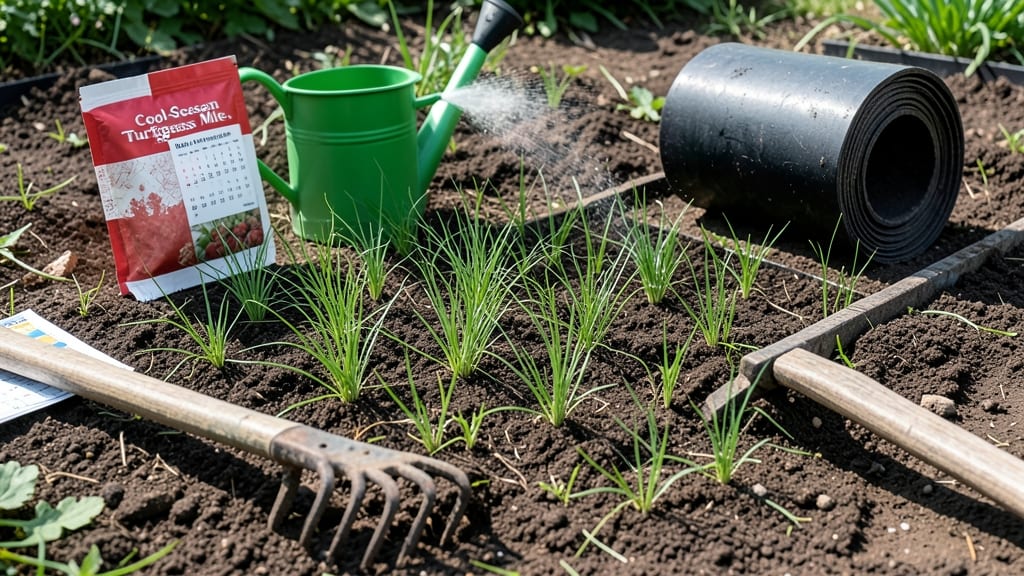
Knowing when is it too late to plant grass seed in Massachusetts can mean the difference between lush green lawns and patchy disappointment.
The state's 5b-7a zones give you a slightly longer window than colder regions, but timing is everything for your 🌱 grass seed to establish strong roots before winter sets in.
Most gardeners aim to plant between early spring and mid-fall, but late-season plantings can still work with the right approach. The key lies in understanding your specific region's frost dates and soil temperatures.
For central Massachusetts, the last safe window typically closes around mid-October, while coastal areas might push it to early November.
Planting too late risks weak germination and winter damage, but don't panic if you've missed the ideal window. I'll show you how to extend your planting season with practical tips like soil preparation and protective mulching.
Let's break down the exact dates and strategies to give your grass seed the best chance to thrive.
Whether you're dealing with cool-season grasses like Kentucky bluegrass or warm-season varieties, this guide will help you navigate Massachusetts' planting deadlines. You'll learn how to assess your local conditions and make informed decisions about when to plant—or whether to wait until spring.
Massachusetts grass seed planting deadlines: regional last dates by frost zone
Massachusetts' diverse climate means your last safe planting date depends on whether you're in coastal New Bedford, central Worcester, or the Pioneer Valley.
For most of the state, aim to finish planting cool-season grasses like Kentucky bluegrass and fescue by mid-to-late September—but exceptions exist for hardy varieties and microclimates.
Warm-season grasses like Bermuda or Zoysia have different rules: they need soil temps above 65°F and should be planted by early August to establish before summer heat fades. Below, I’ve broken down the last planting dates by region, including backup months for slow germination.
| Region | USDA Zone | Last Safe Planting Date | Backup Month (Slow Germination) | Grass Type Notes |
|---|---|---|---|---|
| Western MA (Pioneer Valley, Berkshires) | 5b-6a | Mid-September | Early October (for hardy fescue) | Cooler nights delay germination; use winter rye cover crop if planting late. |
| Central MA (Worcester, Springfield) | 6a-6b | Late September | Mid-October (with frost protection) | Kentucky bluegrass thrives here; overseed in early November for spring color. |
| Eastern MA (Boston, Cape Cod, Providence) | 6b-7a | Early October | None (risk of winterkill) | Coastal areas stay warmer; Bermuda grass may survive late plantings but struggles in winter. |
| Northern MA (North Shore, Berkshires) | 5a-5b | Early September | None (frost arrives early) | Plant perennial ryegrass for faster germination if extending to September. |
🌱 Pro Tip: Check NOAA’s 20-year frost averages for your ZIP code—some years push limits by 1-2 weeks!
If you’re planting warm-season grasses, the clock runs out even earlier. Bermuda and Zoysia need 60–70 days to establish before winter, so mid-July to early August is your window. These grasses go dormant in cold weather, but late plantings may not recover fully by spring.
For cool-season grasses, the real deadline is soil temperature. If temps drop below 50°F, germination slows to a crawl. Use a soil thermometer ($10 at garden centers) to confirm readiness—60–65°F is ideal for most varieties.
Microclimates matter! South-facing slopes stay warmer and may extend your window by 10–14 days. Shady areas or low spots freeze earlier, so adjust accordingly. If your yard has partial shade, opt for fine fescue, which tolerates cooler soils.
Don’t panic if you miss the ideal window. Overseeding in early spring (March–April) is a great backup, though it won’t match a fall lawn’s density. For now, mark your calendar: September 15th is the official cutoff for most of Massachusetts—after that, risks rise sharply.
🌿Key Question: Are you planting a new lawn or overseeding an existing one? Overseeding can push deadlines by 2–3 weeks since established grass insulates new seeds.
Critical factors that determine if you’ve missed the grass seed window
When deciding if you’ve missed the grass seed planting window in Massachusetts, three key factors come into play: soil temperature, frost risk, and the maturity timeline of your grass type. These elements work together to create the perfect conditions for germination and root establishment.
First, soil temperature must stay within the ideal range of 50–65°F for at least 4–6 weeks after planting. If your soil cools below 40°F, germination slows dramatically, and seeds may fail to sprout. Use a soil thermometer to check—this is non-negotiable for success.
Next, frost risk is the biggest wildcard. Massachusetts’ first frost typically arrives between mid-October and early November, but coastal areas like Cape Cod may delay frost until December. Check NOAA’s 20-year frost averages for your specific region to avoid planting too close to winter.
Finally, the grass type you choose dictates your timeline. Cool-season grasses like Kentucky bluegrass and fescue need 4–6 weeks to establish roots before winter, while warm-season grasses like Bermuda grass struggle in Massachusetts’ climate and should only be planted in early spring.
Here’s my 4-step