
Planting
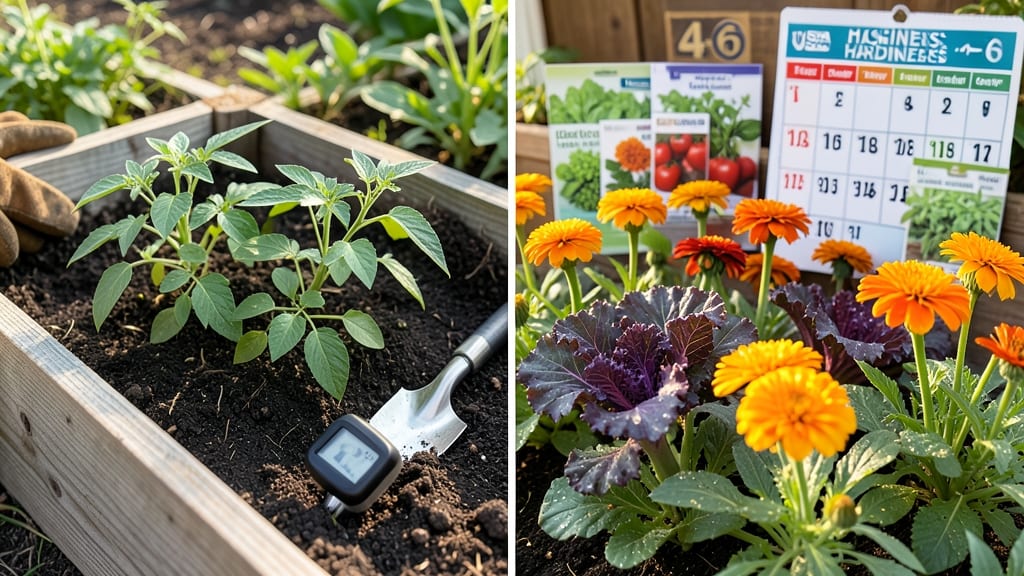
If you’ve ever stared at a seed packet wondering "when is the best time to plant a garden in Michigan", you’re not alone—timing can make or break your harvest. Michigan’s Zone 4-6 climate means frost can sneak up on you, turning eager seedlings into sad, icy snacks.
But don’t stress: the right window isn’t just about dates—it’s about understanding your local microclimate and matching plants to Michigan’s unpredictable swings from spring showers to summer heatwaves.
I’ve spent years watching Michigan gardens thrive (and occasionally wilt) when the timing’s off, and the most important lesson? Cool-season crops like lettuce and peas can handle early spring plantings, while tomatoes and peppers need to wait until after the last frost—usually mid-May to early June in most regions.
But here’s the kicker: even within Michigan, frost dates vary wildly between the Upper Peninsula and southern counties, so knowing your exact zone is game-changer for success.
What if you could stretch your growing season by 3-4 weeks? With the right techniques—like using row covers or cold frames—you can safely plant earlier in spring or even squeeze in a fall harvest.
Whether you’re a first-time gardener or a seasoned green thumb, this guide breaks down Michigan’s frost-free windows, crop-by-crop, so you can avoid common pitfalls and enjoy a bountiful garden from summer to fall.
Let’s dive into the exact planting windows, soil prep tips, and pro strategies to turn Michigan’s short growing season into your garden’s best asset. Ready to grow like a local? Let’s get started.
Michigan frost-free dates by Zone: exact planting windows for cool vs. warm season crops
Michigan’s frost-free dates vary dramatically from the Upper Peninsula (Zone 4) to the Lower Peninsula (Zones 5-6), making timing critical for success. In Zone 4, the last spring frost typically arrives between May 15-25, while Zone 6 areas can plant as early as April 20-May 5.
These dates determine whether your tomatoes, peppers, or lettuce thrive or fail.
For cool-season crops like spinach and kale, you can start seeds indoors 6-8 weeks before the last frost or sow directly 2-4 weeks before. Meanwhile, warm-season crops like beans and squash need soil temperatures above 55°F (13°C)—usually after Memorial Day in most regions.
Here’s the breakdown you need to plan your Michigan garden like a pro:
In Zone 4, where winters are harsher, focus on fast-maturing varieties like bush beans (50-60 days) or radishes (25-30 days). Meanwhile, Zone 6 gardeners can experiment with longer-season crops like heirloom tomatoes (80+ days) by starting seeds indoors in March.
Don’t overlook fall planting—many cool-season crops thrive when sown 6-8 weeks before the first frost. For example, spinach and carrots can handle light frosts, while kale actually sweetens after a frost! Plan your fall harvest by aiming for maturity 2-3 weeks before the first expected frost.
Microclimates matter! A south-facing slope in your yard might warm up 1-2 weeks earlier than the official frost date. Test your soil temperature with a soil thermometer—warm-season crops need 60°F+ (15°C+) for roots to establish.
For container gardening, warm soil in pots heats up faster than ground soil. You can plant peppers and eggplants 2 weeks earlier in containers than in the ground. Just ensure pots have drainage holes to prevent root rot from Michigan’s cool, damp springs.
Remember: Succession planting is your secret weapon. Instead of planting all your lettuce at once, sow small batches every 2 weeks to ensure a continuous harvest through summer and fall. This works especially well for bush beans and radishes, which mature quickly.
If you’re new to Michigan gardening, start with hardy, fast-growing crops like radishes, bush beans, and lettuce. These are forgiving and give you confidence before tackling fussy plants like tomatoes or peppers.
🌿 Now that you’ve got the frost dates locked in, your next step is preparing your soil—amend with compost and test pH levels (aim for 6.0-7.0) to give your plants the best start possible.
How to extend your Michigan gardening season: cold frames, row covers, and succession planting tips
Michigan’s growing season can feel like a short sprint—but with the right tricks, you can turn it into a marathon. The key? Extending your planting windows by just a few weeks can mean the difference between a handful of tomatoes and a bountiful harvest.
I’ve tested these methods in my own Zone 5 garden, and they’ve added 3-4 weeks to both the start and end of my season. Whether you’re dealing with late spring frosts or early fall chills, these strategies will help you grow like a pro.
First, let’s talk about cold frames—my secret weapon for early spring plantings. These simple, low-cost structures trap heat from the sun and can raise soil temperatures by 10-15°F, allowing you to plant 4-6 weeks earlier than usual.
I use mine to start spinach, radishes, and lettuce in early April, often when the ground is still frozen outside. Even better? They also protect tender seedlings from late spring frosts, which are almost inevitable in Michigan.
For a no-fuss alternative, row covers (also called floating row covers) are a game-changer. Made from lightweight fabric, they create a mini greenhouse effect without the hassle of building a frame.
I drape them over my broccoli and cabbage beds in early May to shield them from unpredictable frost and even light frost events in late fall. The best part? They’re reusable, affordable, and can boost yields by 20-30% by keeping pests at bay too.
Don’t overlook succession planting, either. This technique involves planting small batches of fast-growing crops every 2 weeks, ensuring a steady supply of fresh produce. In my garden, I plant radishes every 10 days from early May to late July, guaranteeing a harvest every 3-4 weeks.
It’s also perfect for bush beans and lettuce, which bolt quickly in Michigan’s heat. By the time the first batch is ready, the next one is already thriving.
For fall gardening, focus on heat-tolerant crops like kale, Swiss chard, and spinach, which can handle cooler temperatures. I plant these in early August, giving them time to mature before the first frost—usually mid-October in Zone 5.
To buy even more time, use black plastic mulch to warm the soil and straw mulch to insulate roots. These simple steps can push your harvest into November or even December in sheltered microclimates.
Pro tip: Always check your local frost-free date (available from the Michigan State University Extension) and adjust your timeline accordingly. In the Upper Peninsula, you might need to wait until late May, while southern Michigan can start planting a week or two earlier.
By combining these methods, you’ll turn Michigan’s short season into your garden’s biggest advantage.
Ready to put these tricks to work? Grab a cold frame or some row covers this weekend—your future harvest will thank you! 🌱