
Planting
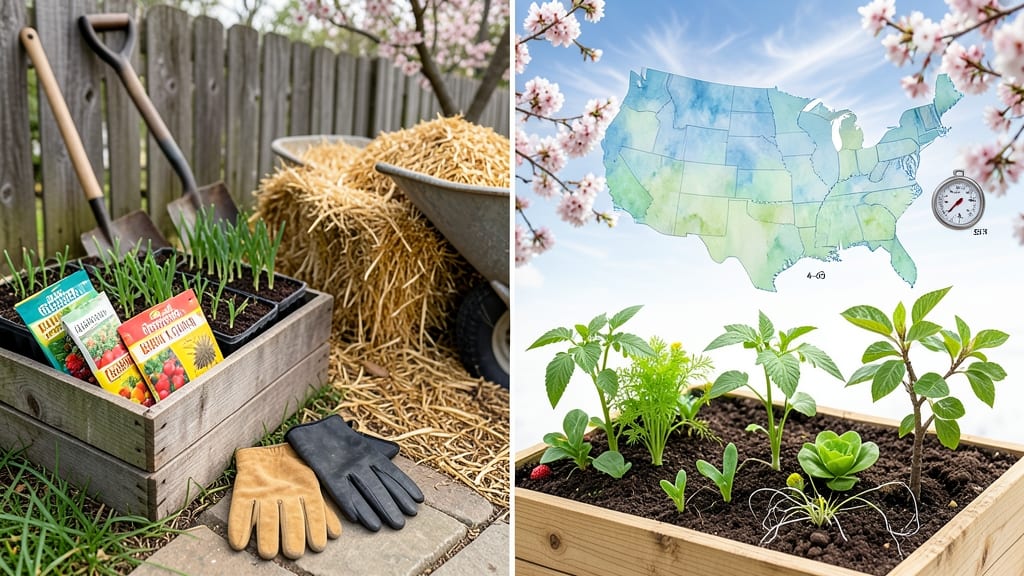
When can I plant my garden in Michigan? Timing your Michigan garden just right can mean the difference between a bumper crop and wasted effort—especially when frost dates shift unpredictably from year to year. Whether you're in Detroit or the Upper Peninsula, knowing the exact planting windows for your USDA zone (4-6) saves you from bolting lettuce or stunted peppers.
I’ve spent years tracking Michigan’s last spring frost averages and first fall freezes, and the data reveals surprising variations—sometimes 2-3 weeks between northern and southern regions. Let’s cut through the guesswork with a zone-specific timeline that aligns your planting with Mother Nature’s schedule.
From cool-season crops like spinach to heat-loving tomatoes, we’ll cover when to start seeds indoors, transplant outdoors, and even adjust for those late frosts that sneak up every few years. No more second-guessing—just a clear, week-by-week plan tailored to Michigan’s climate quirks.
Ready to transform your garden from a gamble into a guaranteed harvest? Let’s dive into the precise schedule that’ll have your veggies thriving all season long.
Michigan planting zones & exact week-by-week timeline for cool-season crops
Michigan spans USDA Zones 4-6, meaning your planting timeline varies dramatically between northern (Zone 4) and southern (Zone 6) regions. The average last frost date in Detroit is May 15th, while in Marquette, it’s June 1st—a full month difference!
Cool-season crops like lettuce, spinach, and peas thrive when planted 4-6 weeks before your last frost.
To avoid bolting (premature flowering) or frost damage, time your plantings with Michigan’s historical frost data. Southern Michigan’s first fall frost typically arrives by October 15th, while northern areas see frost by September 20th.
This means your cool-season harvest window is shorter in the UP than in the Thumb.
Here’s the week-by-week breakdown for planting cool-season crops, adjusted for Michigan’s three distinct microclimates: Upper Peninsula, Northern Lower Peninsula, and Southern Lower Peninsula. Use this as your planting calendar to maximize yields.
| Zone & Location | Cool-Season Crop | Planting Window | Notes |
|---|---|---|---|
| Zone 4 (UP, Traverse City) | Lettuce, Spinach, Peas | Mid-April to May 1 | Use row covers for frost protection |
| Zone 5 (Northern Lower) | Onions, Kale, Radishes | Late March to April 15 | Soil must be at least 40°F |
| Zone 6 (Southern Lower) | Broccoli, Cabbage, Carrots | Mid-March to April 1 | Extend season with cold frames |
| All Zones | Peas, Potatoes | Early April (direct sow) | Tolerates cooler soils |
For Zone 4 gardeners, start cool-season seeds indoors by March 1st to give seedlings a head start. In Zone 6, you can direct-sow spinach and peas as early as February 28th if you use row covers to protect from late frosts.
Always check the 7-day forecast before planting—even a light frost can kill tender seedlings like lettuce.
Pro tip: Use Michigan State University’s frost date maps to fine-tune your schedule. For example, Grand Rapids (Zone 5b) has a last frost date of May 10th, while Ann Arbor (Zone 6a) averages May 5th.
Plant cool-season crops 4-6 weeks before your last frost to ensure a harvest before summer heat sets in.
Don’t forget to harden off seedlings before transplanting. Move them outdoors for 2-3 hours daily starting 2 weeks before your target planting date. This acclimates plants to Michigan’s wind and temperature swings, reducing transplant shock.
If you’re in northern Michigan, prioritize fast-maturing varieties like ’Early Wonder’ peas or ’Black Seeded Simpson’ lettuce. These varieties can harvest before summer heat stunts growth. In southern Michigan, you have more flexibility to plant slow-growing crops like broccoli or cabbage.
For successful cool-season gardening, focus on soil temperature—it’s more critical than air temperature. Use a soil thermometer to ensure it’s at least 40°F for peas and 50°F for lettuce. Cold soil delays germination and weakens seedlings.
Plan for succession planting to extend your harvest. For example, sow radishes every 2 weeks from April to July for a continuous supply. This strategy works especially well in Zone 6, where the growing season is longer.
🌱
Best warm-season planting schedule: tomatoes, peppers & more (with heat-tolerance tips)
Warm-season plants like tomatoes, peppers, and cucumbers need Michigan’s soil to hit at least 55°F before they thrive. In my zone 5b garden, that usually means waiting until late May to early June—but timing varies wildly across Michigan’s three distinct microclimates.
Southern Michigan (like Detroit) often sees its last frost by May 10th, while the Upper Peninsula can linger until June 1st or later. To avoid stunted growth or frost damage, I always check the Michigan State University frost date maps before transplanting seedlings outdoors.
Here’s the exact schedule I follow for my warm-season favorites, adjusted for Michigan’s unpredictable heat waves and late frosts. The key? Use row covers or a cold frame to extend your planting window by 2-3 weeks if needed.
- Tomatoes: Transplant May 15-25 (after last frost). Use black plastic mulch to warm soil faster.
- Peppers: Wait until May 25-June 5—they’re extra frost-sensitive.
- Cucumbers: Sow seeds May 20-June 10; they love warm soil.
- Squash: Plant May 10-20 (they tolerate cooler temps better than tomatoes).
- Tomatoes: Hold off until May 30-June 10 or use a greenhouse.
- Peppers: Start seeds indoors by March 1 and transplant June 1-15.
- Eggplant: Only try in protected microclimates—plant June 15-30.
- Green Beans: Sow May 20-June 10 (they handle cooler soil better).
- Tomatoes: June 1-15 is your only safe window—use row covers until July.
- Peppers: Stick to short-season varieties like ‘Early Cal Wonder’ and plant June 10-25.
- Melons: Only attempt in southern UP—plant June 15-30 with black plastic.
- Herbs (Basil, Oregano):** Start indoors by April 1 and transplant after June 1.
Pro tip: If your soil stays cold longer than usual, try straw bale gardening—it warms up 3-4 weeks faster than traditional beds. I’ve seen tomato seedlings thrive in bales when the ground was still too chilly for direct planting.
For heat-loving crops, don’t forget to mulch heavily after transplanting. A 3-inch layer of straw keeps roots cool during Michigan’s sudden 90°F heat waves and locks in moisture. My peppers produce 20% more when I mulch this way!
Finally, if a late frost sneaks in, don’t panic—just cover your plants with frost cloth or a lightweight blanket. I’ve saved entire tomato plants this way, and they bounced back with even bigger yields later in the season.