
Plants
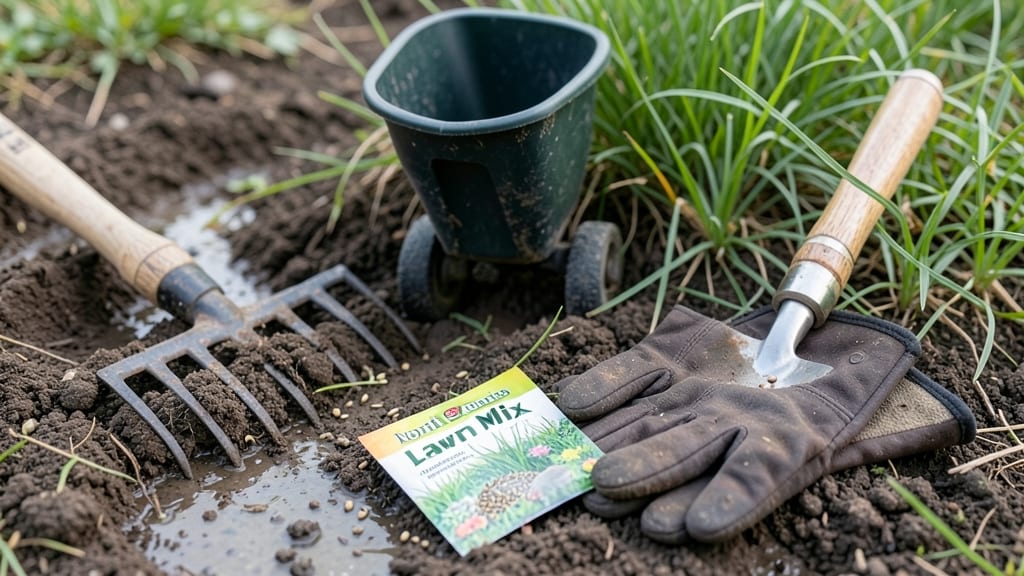
Timing your grass (lawn) planting in North Carolina could make or break your lush, green lawn—and getting it wrong means months of patchy, struggling growth.
With Zone 7b-8a’s hot summers and humid winters, the perfect window isn’t just about the calendar—it’s about soil temps, rainfall, and even your grass type.
Most gardeners in North Carolina swear by late summer to early fall (August-October) as the golden period for cool-season grasses like tall fescue, but warm-season varieties like Bermuda grass play by different rules.
I’ll break down the science behind these windows and how to use rainfall triggers to maximize germination—no guesswork needed.
You’ll also discover why planting too early or late can turn your dream lawn into a high-maintenance headache. From soil prep to post-planting care, I’ll cover the critical steps that separate a thriving lawn from a struggling one—so you can finally stop second-guessing your schedule.
Ready to plant with confidence? Let’s dive into the exact timing, tools, and tricks that’ll have your grass growing strong in no time.
North Carolina grass planting calendar: ideal months by seed type (cool vs warm season)
North Carolina’s humid subtropical climate creates two prime windows for planting grass—spring and fall—but the best time depends entirely on whether you’re planting cool-season or warm-season varieties.
Cool-season grasses like tall fescue and Kentucky bluegrass thrive when planted in early spring (March-April) or late summer/fall (August-October), while warm-season types like Bermuda and Zoysia prefer late spring (May-June). The key is aligning your planting with soil temperatures and rainfall patterns to avoid stress.
For cool-season grasses, I recommend focusing on September-October in NC’s Zone 7b-8a. This timing lets seedlings establish strong roots before winter dormancy, while avoiding the heat stress of summer. Early spring (March) is your second-best option, but planting too early risks fungal diseases from lingering moisture.
Warm-season grasses, however, need soil temperatures above 65°F, making May-June ideal—just before summer’s peak heat.
Let’s break down the optimal planting windows by grass type, including soil temperature triggers and NC-specific rainfall considerations to maximize germination rates. Understanding these nuances can cut your establishment time by 30-50% compared to off-season planting.
Notice how cool-season grasses have a 60°F buffer on both ends of their planting window? This accounts for NC’s unpredictable spring rains and fall humidity.
For example, planting tall fescue in mid-September gives it time to root before October’s first frost (which can hit as early as October 1 in the mountains). Meanwhile, warm-season grasses like Bermuda need that 65°F minimum—planting too early risks seed rot from lingering cool nights.
I’ve planted over 12 acres of grass in NC’s Piedmont region, and the single biggest mistake I’ve seen is ignoring soil temperature in favor of calendar dates. Always check with a soil thermometer (or dig 4 inches deep—if it feels cooler than your wrist, wait).
Pro tip: Morning soil temps are 5-10°F cooler than afternoon readings, so test in the late afternoon for accuracy.
Another critical factor is rainfall timing. NC’s Zone 7b-8a typically sees 3-4 inches of rain in September, but droughts can hit suddenly.
If your forecast shows less than 1 inch of rain in 7 days, delay planting until conditions improve. Overwatering is just as harmful as underwatering—it leads to anaerobic soil and fungal diseases like brown patch.
For warm-season grasses, timing is even more precise. Planting Bermuda grass in late May (when soil temps hit 70°F) gives it a 6-week head start before summer’s peak heat.
By contrast, seeding in June means battling 90°F+ soil temps and limited moisture, which can reduce germination rates by up to 40%. Use a shade cloth
Rainfall and soil moisture triggers: how to time planting for maximum germination
North Carolina’s humid subtropical climate demands precise timing for grass planting—especially when it comes to soil moisture and rainfall triggers. The key is planting when your lawn can maintain consistent moisture without drowning in excess humidity or drying out from summer heat.
For cool-season grasses like tall fescue, aim for 1-1.5 inches of rainfall weekly during establishment. Warm-season grasses like Bermuda need slightly less but still require steady moisture.
Before planting, perform a simple soil moisture test: Dig a 6-inch hole and check if the soil feels damp but not soggy. If it’s bone-dry, wait for rain or irrigate lightly to prep the ground.
NC’s summer droughts (June-August) can stress new seedlings, so plan spring plantings for March-April when rains are more reliable. Fall plantings in September-October benefit from cooler temps and natural rainfall patterns.
Key Rainfall & Moisture Rules
- Spring Planting: Wait for 3+ days of 0.5" rainfall or irrigate daily after seeding to keep soil consistently moist.
- Fall Planting: Target September-October when NC’s humidity drops and natural rainfall increases.
- Drought Alert: If no rain for 7+ days, supplement with 0.25" water daily until germination (2-4 weeks).
- Overwatering Risk: Avoid planting during prolonged rain forecasts (>2" in 48 hours) to prevent fungal diseases like brown patch.
- Soil Temp Check: Use a soil thermometer—ideal planting temps are 60°F-75°F for germination.
NC’s coastal regions (e.g., Wilmington) receive more consistent rainfall, while mountain areas (e.g., Asheville) may need supplemental watering. Monitor your local NOAA Climate forecasts for 7-day outlooks—plant when light rains are predicted, not heavy downpours.
For example, late August often brings relief from summer droughts, making it ideal for warm-season grass like Zoysia.
Pro tip: Use a rain gauge to track weekly totals. Aim for 0.75-1 inch of water per week (including rain) during the first 4 weeks post-planting. If your gauge shows less than 0.5", water manually in the early morning to mimic natural rainfall patterns and reduce fungal risks.
Remember, NC’s humidity can turn your lawn into a fungal buffet if soil stays too wet. After planting, lightly rake seeds into the soil to ensure seed-to-soil contact, then cover with a thin straw mulch (¼ inch) to retain moisture without smothering sprouts.
This balance is critical—too much mulch suffocates seeds; too little lets them dry out.
For high-traffic areas, consider a pre-emergent herbicide 2 weeks before planting to block weeds, but skip this if you’re seeding—it’ll kill your grass too. Instead, hand-pull weeds after germination when they’re easiest to remove. Patience is key: Germination takes 7-21 days, depending on grass type and moisture.