
Plants
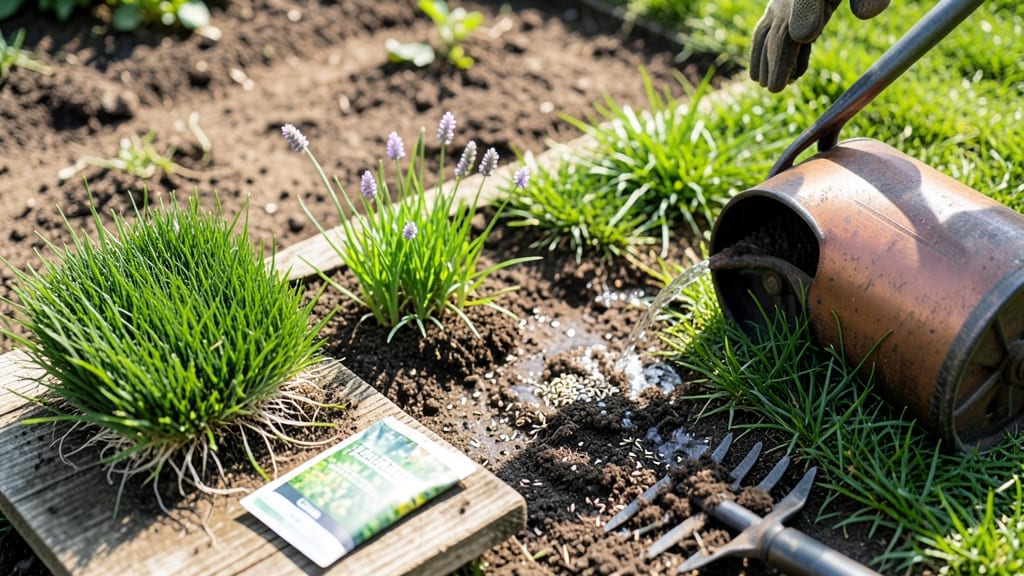
Timing your spring grass planting wrong could mean thin patches or wasted seed—so getting it right is the key to a lush, fast-growing lawn. In Zone 6a, like many Northern regions, planting too early risks frost damage, while waiting too long stresses young grass in summer heat.
Most gardeners don’t realize soil temperature matters more than calendar dates—aim for 55-60°F for cool-season grasses like Kentucky Bluegrass or Tall Fescue. That’s why I’ll show you exactly when to plant in your area, plus how to prep soil for fast germination and avoid common mistakes.
Whether you’re seeding a new lawn or overseeding an existing one, this guide breaks down the ideal weeks by zone, soil prep steps, and post-planting care. Let’s get your grass off to the best start this spring.
Skip the guesswork—learn how to time it perfectly for a thick, green lawn by summer.
Zone-specific spring planting weeks for fast grass establishment
Timing your grass planting is like catching a wave—too early and you’ll get wiped out by frost, too late and summer heat will drown your seedlings. The best time to plant grass in spring hinges on your USDA zone, soil temperature, and local climate.
For example, in Zone 5, waiting until mid-April ensures soil stays above 55°F, while in Zone 9, late February works because warm-season grasses thrive in heat.
Soil temperature is your #1 guide. Grass seeds need consistently warm soil—50-65°F—to germinate. Use a soil thermometer to check daily if you’re unsure. Pro tip: Morning is the best time to test, as soil cools overnight.
If temps dip below 50°F, wait a week or two—your seeds will thank you with faster, stronger growth.
Another critical factor is your last frost date. Planting 4-6 weeks before the average last frost gives seedlings time to establish roots before summer heat arrives. Check the Old Farmer’s Almanac for your zone’s frost dates—this is your planting deadline.
Regional climate also plays a role. In humid Southern zones (7-10), warm-season grasses like St. Augustine or Zoysia outcompete weeds naturally, so you can plant earlier. Meanwhile, Northern zones (3-6) need cool-season grasses like Tall Fescue or Kentucky Bluegrass to survive winter.
For example, in Zone 5, planting before mid-April risks frost kill, while waiting until June may lead to summer drought stress. Use a soil thermometer to confirm readiness—grass seeds need consistent warmth to germinate.
Pro tip: In humid zones (e.g., Zone 9), opt for warm-season grasses like St. Augustine to outcompete weeds naturally.
If you’re in a transition zone (7-8), like Atlanta or Dallas, you’ve got flexibility. Plant cool-season grasses like Tall Fescue in early spring for fall/winter color, then overseed with warm-season Bermuda in late spring for summer durability. This two-step approach gives you a year-round green lawn with minimal stress.
Don’t overlook microclimates in your yard. South-facing slopes warm up faster than shaded areas, so you might plant 2-3 weeks earlier in sunny spots. Similarly, low-lying areas stay cooler and wetter—wait until soil temps hit 60°F before sowing in these spots to avoid rot.
One last trick: If you’re planting in late spring (May-June), focus on warm-season grasses like Zoysia or Centipede. These varieties handle summer heat better and can establish roots before the dog days of July.
Just be prepared to water deeply 2-3x weekly during the first month to keep soil moist.
Timing isn’t just about the calendar—it’s about soil conditions, grass type, and your local climate. By matching your planting window to these factors, you’ll skip the guesswork and end up with a thick, lush lawn by summer. 🌱
Zone-specific spring planting weeks for fast grass establishment
Timing your spring grass planting isn't just about the calendar—soil temperature and your USDA hardiness zone determine success or failure. Plant too early, and frost will kill tender seedlings; too late, and summer heat will stress them before roots establish.
The ideal window is when daytime temps consistently reach 55-65°F and nights stay above 40°F. This ensures steady germination without weather surprises.
For example, in Zone 5, where I live, I always wait until mid-April—after the last frost but before June’s drought stress. Meanwhile, my friend in Zone 9 plants as early as late February to beat summer’s relentless sun.
The key? A soil thermometer ($10 at garden centers) to confirm readiness—grass seeds need warmth to wake up.
Regional climate plays a huge role too. In the Pacific Northwest (Zone 7-8), I’ve seen lawns planted in March thrive thanks to consistent rainfall, while my cousin in Arizona (Zone 9) plants in February to beat the summer monsoon season.
Always check your local last frost date—planting 4-6 weeks before gives seeds time to germinate before cold snaps return.
Don’t forget: Cool-season grasses (like Kentucky Bluegrass) need that early spring window, while warm-season varieties (like Bermuda) can wait until late spring or even early summer. Mixing types? Stick to one per season—your lawn will thank you with uniform growth and fewer weeds.
Missed the spring window? No panic! Late summer (August-September) is the backup for cool-season grasses, and warm-season types can handle June plantings in Southern zones. Just be ready to water deeply for the first 2 weeks to help roots establish before summer heat kicks in.