
Plants
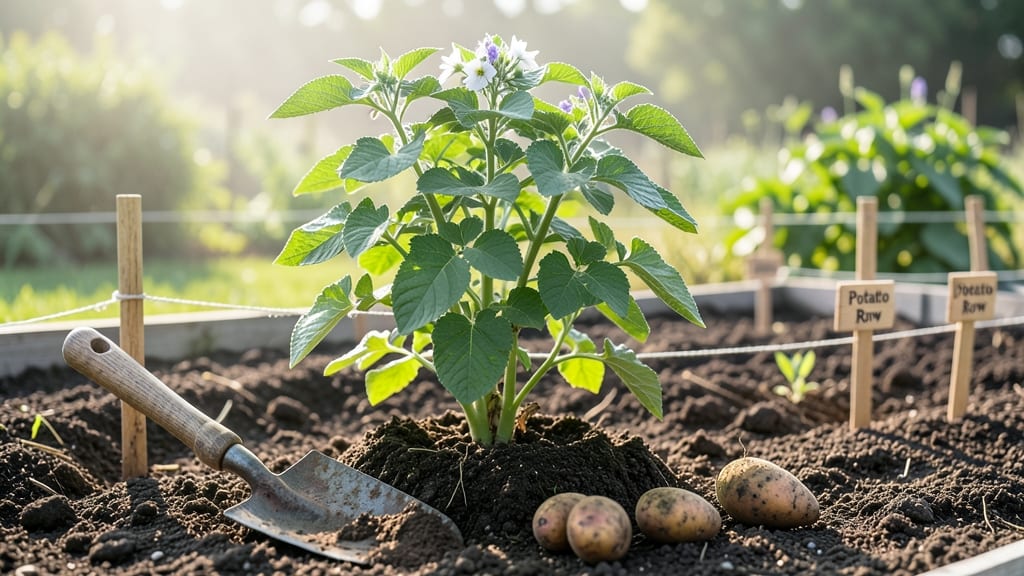
If you've ever wondered when is the best time to plant potatoes in Ohio, you're not alone—getting the timing right can mean the difference between a bumper crop of 🥔 and a disappointing harvest.
Ohio’s climate throws a few curveballs, with frost dates that shift yearly and soil that can feel like a science experiment in early spring.
The key to success lies in understanding your specific USDA zone and watching for those critical soil temperature thresholds—typically 45°F or warmer. Plant too early, and frost will nip your sprouts in the bud; too late, and you might miss the sweet spot for summer harvests.
I’ll break down the exact weeks that work best for Ohio gardeners, so you can plan with confidence.
What you’ll discover here are the zone-specific windows that maximize your potato’s growing season, plus smart tricks to adjust for Ohio’s unpredictable springs. Whether you’re growing early varieties for summer feasts or late-season keepers for storage, timing is everything—and I’ve got the details to help you nail it.
Let’s dig into how to align your planting schedule with Ohio’s climate quirks, so you can enjoy homegrown potatoes that rival the best from the farmers’ market. Ready to turn your garden into a potato powerhouse?
Ohio’s ideal potato planting weeks by hardiness zone (with frost & soil temp guidelines)
Ohio’s diverse climate—spanning USDA Zones 5 through 9—means your potato planting window depends heavily on where you live. Most gardeners in Northern Ohio (Zones 5-6) should aim for late April to early May, while Southern Ohio (Zones 7-9) can start as early as mid-March.
The key is waiting until the soil reaches 45°F or warmer, which signals the ground is workable and frost-free.
For Ohio’s unpredictable springs, I recommend checking your local average last frost date (typically April 15–May 1 in most areas) and planting 2 weeks after that date. This buffer ensures your tender potato sprouts won’t get nipped by late frosts.
In colder microclimates like Northeast Ohio, you might even need to wait until mid-May for safety.
Here’s how Ohio’s zones break down for optimal planting:
| Zone | Last Frost Date | Ideal Planting Window | Soil Temp Threshold | Early Varieties | Late Varieties |
|---|---|---|---|---|---|
| 5-6 (Northeast Ohio) | April 15–May 1 | Late April–Early May | 45°F+ | Red Pontiac (60 days) | Kennebec (90 days) |
| 6-7 (Central Ohio) | April 1–April 15 | Mid-April–Early May | 45°F+ | Yukon Gold (75 days) | Russet Burbank (100 days) |
| 7-9 (Southern Ohio) | March 15–April 1 | Mid-March–Mid-April | 45°F+ | New Potato (50 days) | Adirondack Blue (110 days) |
If you’re unsure about your zone, use the Ohio State University Extension’s frost map or plug your ZIP code into the National Gardening Association’s planting calculator. These tools account for local variations like lake-effect cooling in Northeast Ohio or urban heat islands in Columbus.
Pro tip: For a continuous harvest, stagger plantings every 2 weeks between your ideal window and June 1. This way, you’ll have new potatoes ready by summer and storage potatoes by fall.
Just avoid planting after July 4, as tubers won’t mature before Ohio’s first frost in October.
Ohio’s clay-heavy soils can slow warming, so consider black plastic mulch or straw bales to raise soil temperatures faster. I’ve seen this cut planting delays by 10-14 days in cooler zones. Pair this with well-rotted compost to improve drainage—potatoes hate soggy soil.
One common mistake? Planting based on air temperature instead of soil temperature. A sunny 70°F day might fool you, but if the soil is still below 45°F, your seeds will rot.
Use a soil thermometer ($10 at garden centers) to check 4 inches deep, where the action happens.
For container growing, Southern Ohio gardeners can start indoors in February using grow lights, then transplant outdoors after last frost. Just ensure pots have drainage holes and use a lightweight potting mix—potatoes need room to expand!
Remember: Ohio’s humidity and pests (like Colorado potato beetles) mean faster-growing varieties often yield better. If you’re in Zone 6 or below, prioritize early-maturing varieties to beat the bugs and weather.
How to time potato planting for Ohio’s short growing season (avoid these 3 critical mistakes)
Ohio’s short growing season demands precision—one wrong move, and your potato crop could suffer from blight, stunted growth, or even total failure. The biggest mistake I see?
Planting too early and risking frost damage, or too late and missing the harvest window. Let’s fix that with actionable timing tricks tailored to Ohio’s climate quirks.
First, soil temperature is your true guide, not air temperature. Potatoes need soil at 45°F or warmer to sprout properly. In my garden, I’ve seen seeds rot when planted in 40°F soil even if the air feels spring-like.
Use a soil thermometer to check 4 inches deep—this is where roots will form.
Here are the 3 critical mistakes to avoid—and how to fix them:
⚠️ Mistake 1: Planting Based on Calendar Dates
Ohio’s last frost can vary by 2-3 weeks from year to year. Instead of guessing, use the 50% bloom date of lilacs or fruit trees as a natural indicator—when they’re in full bloom, it’s safe to plant in most zones.
🌱 Fix: Wait until 2 weeks after your average last frost date, or use frost-protecting fabric for early plantings.
Second, Ohio’s clay-heavy soils can stay cold longer. To speed up warming, try these tricks: Lay down black plastic mulch 2 weeks before planting, or cover soil with straw bales. I’ve seen soil temperatures rise by 10°F in just 48 hours with these methods.
For container growing, Southern Ohio gardeners can cheat the system by starting seeds indoors in February under grow lights. Transplant outdoors only after the last frost, using 5-gallon buckets with drainage holes. Just remember: Containers dry out faster, so water daily during Ohio’s summer heat.
Finally, stagger your plantings for a continuous harvest. Plant one batch every 2 weeks between your ideal window and June 1. This ensures you’ll have new potatoes by July and storage potatoes by September. Avoid planting after July 4—tubers won’t mature before Ohio’s first frost in October.
One pro tip: If you’re in Zone 5 or below, prioritize early-maturing varieties (like Red Pontiac) to beat Ohio’s humidity and pests. Late varieties (like Russet Burbank) need the full growing season, so plant them only in Zones 6-9.
Remember: Ohio’s unpredictable weather means flexibility is key. Keep an eye on forecasts and be ready to cover plants if late frosts threaten. With these adjustments, you’ll turn Ohio’s short season into a potato-growing powerhouse! 🌱