
Trees
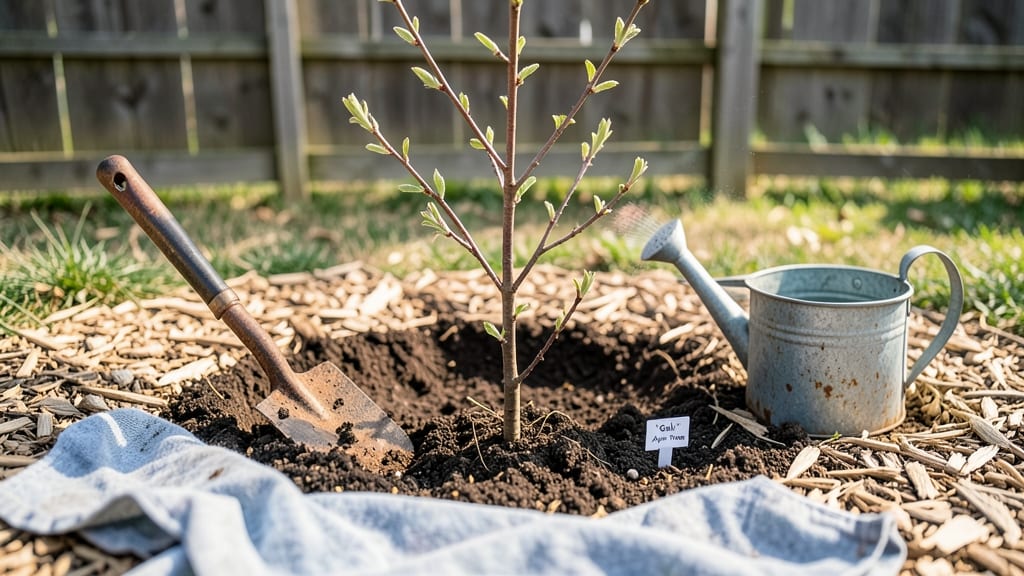
Planting fruit trees in Washington State at the wrong time can mean lost crops—or even dead trees—but timing it right unlocks bountiful harvests for decades. With Pacific Northwest chill-hour zones and unpredictable frost patterns, knowing exactly when to plant each variety is the key to success.
Whether you're in the cooler 5b-6b zones of Eastern Washington or the milder 7b-8b areas of Western WA, the right timing makes all the difference.
For most fruit trees—like apples, cherries, and pears—the best window is late winter to early spring, when the soil warms but frost risks still linger. March and April are ideal for bare-root trees, while container-grown varieties offer more flexibility.
But don’t rush—planting too early in Eastern WA (where frosts can linger until mid-April) or too late in Western WA (where mild winters shorten the window) can stress your 🍎 trees.
This guide breaks down the exact months for each variety, accounting for chill hours, frost dates, and regional microclimates. You’ll learn how to prep soil, choose the right rootstock, and avoid common mistakes that sabotage young trees. Let’s get your orchard off to the best possible start.
Ready to plant with confidence? We’ll cover everything from soil pH adjustments to frost-proofing strategies, so you can enjoy homegrown fruit for years to come. No more guesswork—just successful planting.
Washington State fruit tree planting calendar by chill-hour zones (2024 guide)
Washington State’s diverse climate—from the Puget Sound’s mild coastal zones to Eastern WA’s cold winters—means fruit trees thrive best when planted at the right time. The state spans USDA Zones 5b–8b, with chill-hour requirements ranging from 200–1,200+ hours per year.
Planting outside these windows risks poor root establishment or frost damage.
For most bare-root fruit trees, the ideal window is late winter to early spring (February–April), when soil thaws but before buds swell. Container-grown trees offer flexibility, allowing planting year-round in cooler months (October–March). However, timing depends on your chill-hour zone and last frost date.
Washington’s chill-hour zones dictate which fruit varieties will thrive. For example, apples and pears need 600–1,000 chill hours, while peaches and nectarines require 400–800 hours. Eastern WA’s colder zones (5b–6b) suit hardier varieties, while Western WA’s milder zones (7b–8b) allow for low-chill options.
Here’s your 2024 planting calendar broken down by chill-hour zones, frost risks, and fruit types to maximize success:
| Chill-Hour Zone | Last Frost Date | Best Planting Months | Fruit Types | Key Considerations |
|---|---|---|---|---|
| 200–400 hrs (Zone 7b–8b) | March 15 (Western WA) | February–April | Peaches, Nectarines, Apricots, Low-Chill Apples | Avoid late spring planting; prioritize low-chill varieties. |
| 400–600 hrs (Zone 6b–7a) | April 1 (Cascade Foothills) | March–April | Cherries, Plums, Medium-Chill Apples | Watch for late frosts; use frost cloth for early bloomers. |
| 600–800 hrs (Zone 5b–6a) | April 15 (Eastern WA) | April–May | Apples, Pears, Sweet Cherries | Plant after soil warms; mulch heavily for winter protection. |
| 800–1,000+ hrs (Zone 5b) | May 1 (North Idaho Border) | May (bare-root only) | Hardy Apples, Crabapples | Use cold-hardy rootstock; plant deep for insulation. |
For Western WA’s milder zones, early spring planting (February–March) minimizes frost risk, while Eastern WA’s colder zones benefit from slightly later starts (March–April). Container-grown trees can be planted in fall (October–November) for established root systems before winter.
Pro tip: Check your local WSU Extension frost-date map (link below) to pinpoint your exact last frost date. In Western WA,
Best fruit tree varieties for Washington’s frost zones & their ideal planting months
Washington State’s diverse climate—from the cool, wet Pacific Northwest to the drier, colder Eastern regions—means not all fruit trees thrive equally. Some varieties, like ‘Honeycrisp’ apples or ‘Starking Delicious’ pears, demand specific chill hours (300–900) to set fruit, while others, like ‘Lapins’ cherries, need even more (900+).
Matching your tree to your zone ensures strong growth and reliable harvests.
In Western WA (Zones 7b–8b), where winters are milder, you can plant container-grown trees year-round but aim for late winter to early spring (February–April) to avoid late frosts.
In Eastern WA (Zones 5b–6b), where frosts linger until mid-April, focus on March planting for bare-root trees to give roots time to establish before summer heat.
For stone fruits like peaches and nectarines, which need 500–700 chill hours, stick to Eastern WA (Zones 5b–6b). Varieties like ‘Redhaven’ peach thrive here but may struggle in milder Western WA zones.
If you’re in Zone 7b–8b, opt for low-chill varieties like ‘Springcrest’ peach (300–400 hours) or ‘Flame Nectarine.
Pro tip: Dwarf or semi-dwarf trees (like ‘Columnar’ apples) are perfect for small spaces and establish faster. They also fruit earlier, giving you years of harvests sooner. Just ensure they get full sun (6+ hours daily)—even in partial shade, growth slows significantly.
Always check the last frost date for your area (use WSU Extension’s frost maps) and plant 2–3 weeks before to avoid root shock.
In Western WA’s Puget Sound, you might squeeze in a late fall planting (October–November) for container-grown trees, but Eastern WA’s colder winters make spring the only safe bet.
Ready to pick the perfect tree? Start with your USDA zone, then narrow down by chill hours and planting window. With the right variety, your Washington orchard could yield fruit for decades—just don’t rush the timing! 🍒