
Trees
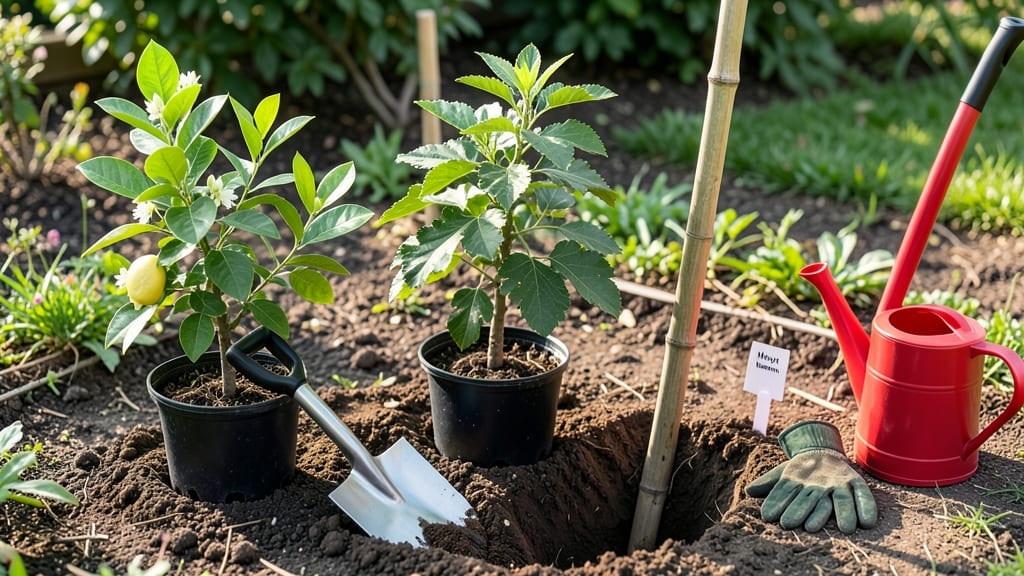
Timing your fruit tree planting in Zone 8b isn’t just about the calendar—it’s about matching your 🍎 to the region’s unique chill hours and frost patterns. Plant too early, and you risk frost damage; too late, and your tree may struggle to establish roots before summer heat sets in.
Most gardeners in Zone 8b know the ideal window is late winter to early spring, but the exact timing depends on your tree’s chill requirements. Peaches and apples need 500–1,000 chill hours, while figs and persimmons thrive with far fewer.
I’ll break down how to align planting with your microclimate—whether you’re coastal or inland—for the best chance of a bountiful harvest.
Beyond the basics, soil prep and transplanting techniques make all the difference. Whether you’re planting bare-root or container-grown, these steps ensure your fruit tree takes root strong. Let’s dive into the science and strategies that’ll set you up for success.
From choosing the right variety to adjusting for Zone 8b’s variable frost dates, this guide covers everything you need to know. Get ready to plant with confidence and watch your orchard thrive!
Optimal planting windows for Zone 8b fruit trees by chill-hour needs
Zone 8b’s 500–1,000 chill hours (temperatures between 32–45°F) make timing critical for fruit trees. High-chill varieties like peaches and apples need 800+ chill hours, while low-chill figs and persimmons thrive with just 300–500 hours. Planting outside these ranges risks poor flowering or no fruit.
In Zone 8b, the best planting windows align with dormancy periods: late winter (February–March) for bare-root trees and early fall (October–November) for container-grown trees. This ensures roots establish before summer heat stress or winter dormancy.
Timing also depends on your local microclimate. Coastal areas may experience warmer winters with fewer chill hours, while inland zones get colder snaps. Always check your last frost date (typically mid-January in Zone 8b) and adjust accordingly.
For high-chill varieties, aim to plant 6–8 weeks before bud break (usually late February). For low-chill varieties, early spring (March–April) works best, as they need less dormancy time.
Container-grown trees can be planted year-round in Zone 8b, but fall planting gives roots time to establish before summer heat. Bare-root trees, however, must go in during dormancy (winter or early spring) to avoid transplant shock.
Here’s how to match your fruit tree’s chill-hour needs with Zone 8b’s climate for peak success:
| Variety | Chill-Hour Needs | Best Planting Window | Zone 8b Notes |
|---|---|---|---|
| Peaches | 800–1,000 hrs | Late Feb–Early March | Risk of poor flowering if planted too late; choose low-chill varieties like ‘Redhaven’. |
| Apples | 700–900 hrs | Late Feb–Early March | May need winter chilling from frost events; monitor local chill hours. |
| Plums/Nectarines | 500–700 hrs | Early March–April | Ideal for Zone 8b; ‘Santa Rosa’ plums thrive with minimal chill. |
| Figs | 200–300 hrs | March–April or Fall | Heat-loving; plant after last frost or in fall for early harvests. |
| Persimmons | 300–500 hrs | March–April | ‘Fuyu’ variety is cold-hardy; plant in well-draining soil. |
If you’re unsure about your local chill hours, use a chill-hour calculator (like the one from the University of California) or contact your local Cooperative Extension office. They can provide data tailored to your specific area within Zone 8b.
For bare-root trees, soak roots in water for 1–2 hours before planting to rehydrate them. This is especially critical in Zone 8b’s dry summers, where rapid root establishment prevents transplant shock.
After planting, mulch heavily (3–4 inches of organic mulch) to retain moisture and regulate soil temperature. This mimics the natural dormancy conditions fruit trees need to thrive in Zone 8b’s variable climate.
🌱
Optimal planting windows for Zone 8b fruit trees by chill-hour needs
Zone 8b’s 500–1,000 chill hours determine whether your fruit trees will thrive or struggle. High-chill varieties like peaches and apples need the full range, while low-chill figs and persimmons adapt to 300–500 hours. Planting at the wrong time disrupts dormancy cycles, leading to poor flowering or fruit set.
For high-chill varieties, aim to plant 4–6 weeks before your last frost date—typically late February to early March in Zone 8b. This window ensures roots establish before summer heat arrives. Medium-chill trees (plums, nectarines) can stretch to mid-March, while low-chill varieties tolerate planting until early April.
Early fall planting (October–November) is another strategy for bare-root trees, but only in Zone 8b’s cooler inland areas. Coastal regions should avoid this due to milder winters. Always check your local chill-hour accumulation—tools like the USDA chill-hour map help tailor timing to your exact location.
| Variety Type | Chill Hours Needed | Best Planting Window | Dormancy Tip |
|---|---|---|---|
| High-Chill (Peaches, Apples) | 700–1,000 | Late Feb–Early March | Plant after last frost; avoid heat stress |
| Medium-Chill (Plums, Nectarines) | 500–700 | Mid-Feb–Mid-March | Use mulch to retain soil moisture |
| Low-Chill (Figs, Persimmons) | 300–500 | Early March–Early April | Tolerates warmer soils; plant later |
Bare-root trees require moist, well-draining soil and should be planted when dormant but not frozen. Container-grown trees, however, offer more flexibility—plant them anytime the ground isn’t frozen. For both types, amend soil with compost to improve drainage, especially in clay-heavy Zone 8b soils.
After planting, mulch heavily (3–4 inches) to protect roots from temperature swings. Water deeply once a week for the first month, then taper to every 10–14 days once established. This routine ensures your tree focuses on root growth before summer’s peak.
Monitor your tree’s progress by checking new leaf growth in spring—a sign roots are active. Adjust watering if leaves yellow or curl, as this often indicates overwatering or poor drainage. With the right timing and care, your Zone 8b fruit trees will reward you with years of harvests.