
Plants
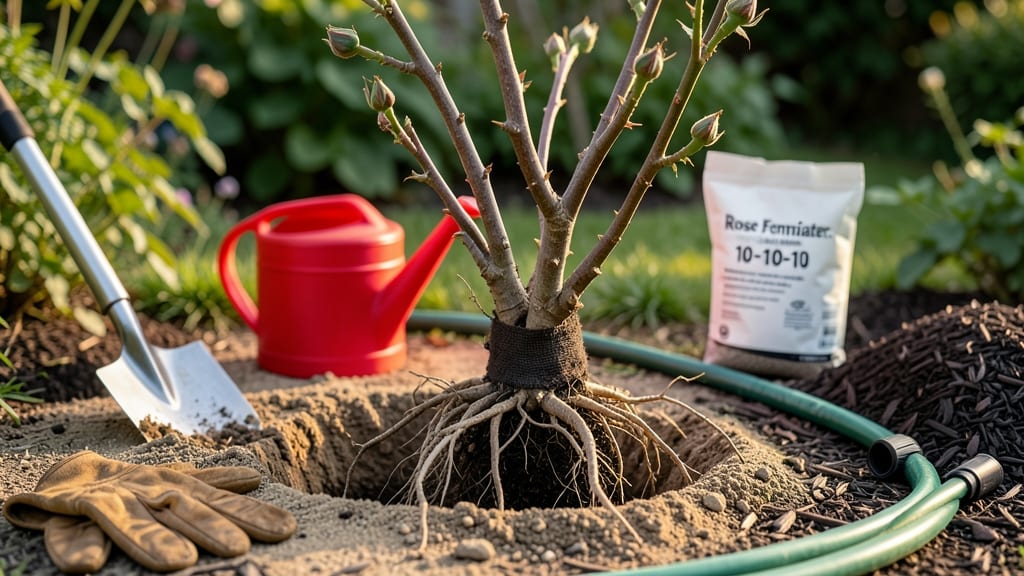
When is the best time to plant roses in Arizona?—it’s not just about picking a month but mastering the desert’s heat and unpredictable shifts. The ideal window falls during the cooler winter months, when temperatures are mild and the risk of heat stress is minimal, giving your roses the perfect start.
Why does timing matter so much? Because Arizona’s scorching summers can overwhelm young rose plants, while the mild winters create an ideal window for root establishment. Whether you're in Phoenix, Tucson, or Flagstaff, understanding your microclimate is key to success—especially since elevation and heat tolerance vary dramatically across the state.
In this guide, I’ll walk you through the exact planting schedule tailored to Arizona’s unique conditions, from soil prep to post-planting care. You’ll discover how to choose the right varieties, avoid common pitfalls, and keep your roses thriving year-round—even in the desert’s harshest conditions.
Ready to transform your garden into a fragrant oasis? Let’s dive into the best strategies for planting roses that will bloom beautifully, no matter how hot it gets.
Optimal Arizona rose planting windows: avoiding heat stress and frost risks
Arizona’s desert climate creates unique challenges for rose gardeners, with triple-digit summers and mild winters that demand precise planting timing. Unlike cooler climates, roses here must establish roots before extreme heat arrives—or risk wilting within weeks.
The cool season advantage (November through February) is your golden window to plant, when temperatures stay ideal for root growth.
Bare-root roses are especially vulnerable to heat stress, so plant them in late fall or winter to give roots time to harden before spring. Potted roses offer slightly more flexibility but still benefit from cooler months to avoid transplant shock.
High desert areas like Flagstaff (Zone 7) have different frost risks than Phoenix (Zone 10), so adjust your schedule accordingly.
| Region | Best Planting Window | Key Consideration | Avoid |
|---|---|---|---|
| Low Desert (Phoenix, Tucson) | November–February | Soil temps below 70°F; minimal frost risk | March–October (extreme heat) |
| High Desert (Flagstaff, Prescott) | October–March | Cooler nights; occasional frost (Zone 7) | April–September (heat + drought) |
| All Regions | Late afternoon (4–6 PM) | Reduces transplant shock from afternoon sun | Midday planting (heat stress) |
For bare-root roses, prioritize planting in December or January when soil moisture is higher and evaporation rates are lower. If you must plant in October or March, choose drought-resistant varieties like 'Knock Out' roses or 'Earth-Kind' hybrids, which handle Arizona’s 100°F+ temperatures better than traditional roses.
Pro tip: Soak bare-root roses for 4–6 hours before planting to rehydrate roots. Use a rooting hormone to boost success rates in clay-heavy desert soil, which can suffocate young roots if not amended properly. Mulch immediately after planting to retain moisture and regulate soil temperature.
Arizona’s microclimates mean your neighbor’s success might not apply to you. Check your USDA Zone (most of Arizona is Zone 9b–11) and local frost-free dates—Phoenix rarely sees frost, while Flagstaff can drop to 20°F in winter. Adjust your schedule to align with your specific elevation and heat exposure.
Even with perfect timing, first-year roses need extra care. Expect slower growth in the first season as roots establish, but with the right planting window, your roses will reward you with lush blooms by spring.
Avoid the temptation to plant in spring or summer—the heat will overwhelm young plants before they can take hold.
If you miss the ideal window, don’t despair. Container-grown roses planted in late summer (August–September) can still thrive with daily shade cloth and deep watering. However, bare-root roses planted after February face high mortality rates due to heat stress and limited root development.
Remember: Patience is key in Arizona rose gardening. The best time to plant is now—before the heat arrives—but the best time to start planning is today. With the right schedule, your roses will become the showstopper of your desert landscape.
How to prep your Arizona soil and roses for planting success
Arizona’s clay-heavy, alkaline soil and intense sun can shock roses if not prepped properly. The key is to mimic the moisture-retentive, slightly acidic conditions roses crave—even in the desert. Start by testing your soil’s pH; aim for a range of 6.0–6.5, which is ideal for most rose varieties.
If your soil tests higher (common in Arizona), amend it with sulfur or peat moss to lower the pH gradually over a few months.
Before planting, enrich the soil with organic matter like compost or aged manure. Work it into the top 12–18 inches of soil to improve drainage and nutrient availability. For container-grown roses, use a well-draining potting mix with perlite or vermiculite to prevent root rot.
Avoid fresh mulch or manure, as it can burn tender rose roots and attract pests.
Choose drought-tolerant rose varieties suited to Arizona’s climate, such as Knock Out roses or Earth-Kind roses. These varieties thrive with less water and heat stress while still delivering stunning blooms.
If you’re planting bare-root roses, soak them in lukewarm water for 4–6 hours before planting to rehydrate the roots and reduce transplant shock.
- Test soil pH (aim for 6.0–6.5) and amend with sulfur or compost if needed.
- Loosen soil to a depth of 12–18 inches for better root penetration.
- Soak bare-root roses for 4–6 hours before planting to revive roots.
- Prune damaged roots and trim canes by one-third to encourage bushier growth.
- Apply mulch (2–3 inches) around the base to retain moisture and regulate soil temperature.
Pruning is another critical step before planting. Trim any broken, diseased, or crossing canes to improve airflow and reduce stress. For bare-root roses, cut the canes to 18–24 inches to encourage a stronger root system.
If planting potted roses, inspect the roots and gently tease out any that are circling or bound. This encourages outward growth and prevents girdling.
Finally, water deeply the planting area 24–48 hours before you plant. This helps settle the soil and reduces the risk of root damage during transplanting. For newly planted roses, water thoroughly every 2–3 days for the first 2–3 weeks to encourage root establishment.
Avoid overhead watering, as it can spread disease and waste water in Arizona’s dry climate.
With the right soil prep and pre-planting care, your roses will have the best chance to establish strong roots before facing Arizona’s intense summer heat. The effort you put in now will pay off with healthier plants and more abundant blooms all season long. 🌹